Skip to Main Content

The UK’s leading supplier of soundproofing solutions

What type of Wall?
What type of Floor?
What type of Ceiling?
Back to Help, Info & Tips

How To Soundproof Floors

How to Soundproof Floors, the ultimate guid in soundproofing a floor

Soundproofing floor guide on the most effective solutions to soundproof your floors

In this guide, we will explain the most effective floor soundproofing solutions for reducing impact and airborne noise. Whether you are soundproofing a floor against a noisy neighbour or meeting Part E requirements, we will show you effective solutions that enhance the floor’s sound-blocking performance.

How do you soundproof a floor?

To soundproof a floor, add mass to block airborne sound (conversation and TV noise) and increase its ability to absorb impact and vibrations (footfall and movement).
  • Add acoustic insulation to add mass and improve the floor’s ability to block and absorb airborne sounds.
  • Stop impact and vibrations through the floor with resilient layers like acoustic underlays and floating floors to improve the floor’s ability to absorb impact sound transfer.
  • Combining materials will ensure the best level of floor soundproofing against a range of sounds.
  • As a general rule, most products laid over the floor are designed to stop impact sounds, and some also add mass, which increases airborne soundproofing. Filling floor cavities with acoustic insulation primarily stops airborne noise, but it also enhances the floor’s ability to absorb impact sounds that travel through the air.

Is it airborne or impact sound?
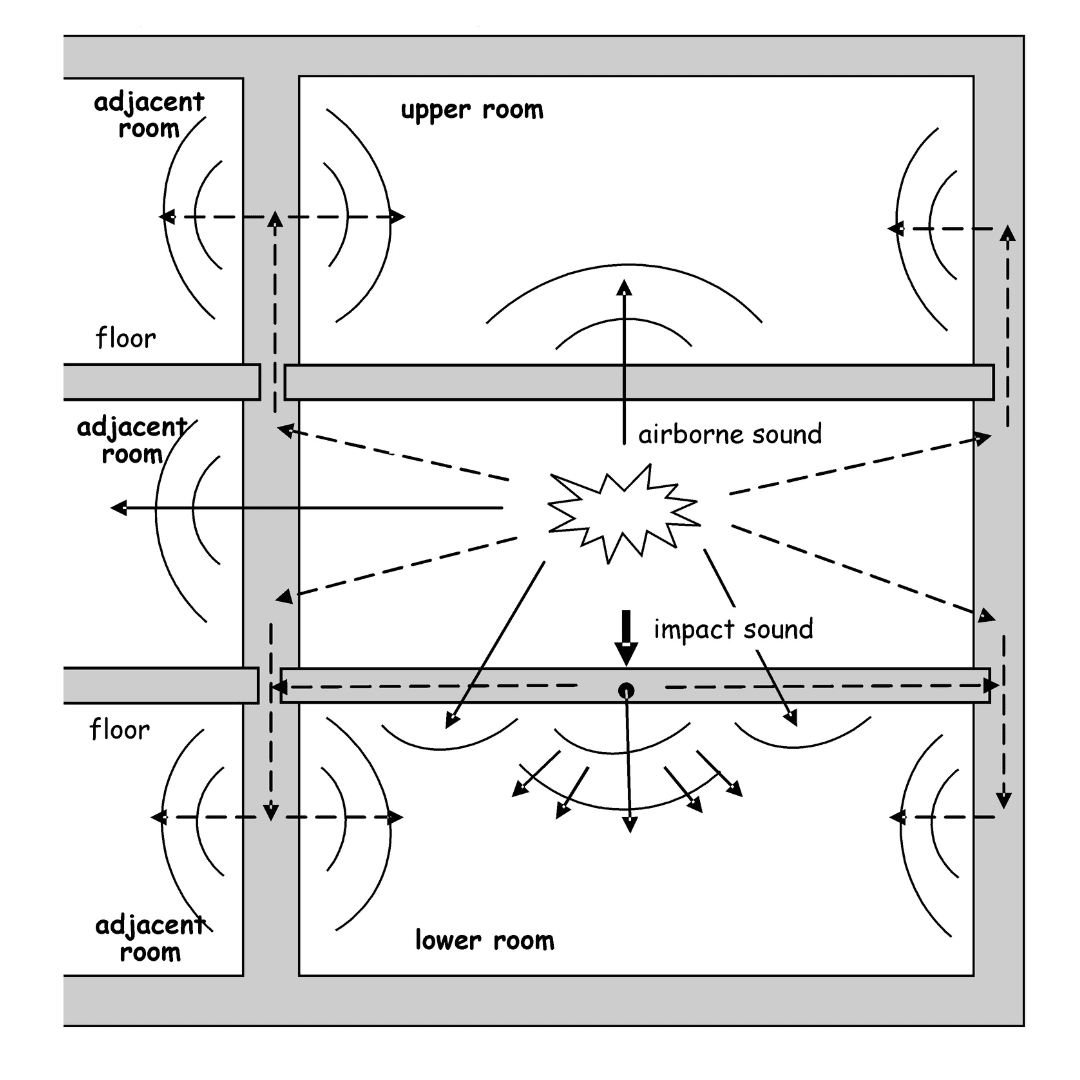
Sound can be divided into two categories, impact and airborne, and when you are soundproofing a floor, it is important to identify which type of sound you want to stop.
Airborne sounds travel through the air; examples include conversation, radios, and TV noise. The sound waves hit the floor, making it vibrate, and those vibrations re-radiate as sound on the other side. Increasing the floor’s mass and density typically reduces airborne sound transmission.
Impact sound is caused by direct physical contact with the floor. Impact sounds are generated from footsteps, movement and items hitting the floor. The impact causes vibrations throughout the floor, which become audible once they reach the room below. Decoupling the floor with a resilient floor layer that absorbs impact is best for reducing impact sound transmission.
Impact sounds transmit through the structure of the building, and airborne sounds transfer through the air, vibrating through solid structures such as walls, floors and ceilings.
understanding airborne and impact noise

What are the best materials for soundproofing floors?

We have already mentioned that the best way to soundproof a floor is to use different combinations of products. Here are some of the best floor soundproofing materials and how they work to sound-insulate floors.

Acoustic insulation to add mass and absorption to floors

Acoustic insulation is widely used for soundproofing because it blocks and absorbs sound.
Sounds will easily transfer through floors that have an empty cavity between the floor and ceiling. An empty floor cavity can act as a sound amplifier, allowing sound to easily pass between rooms. By insulating the cavity between the floor joists, you block sound waves, reducing sound transfer.
When a sound wave contacts the insulation slab, its energy is converted to heat, and the sound is dissipated and greatly reduced as it passes through the floor.

What insulation should I use between the floor joists?
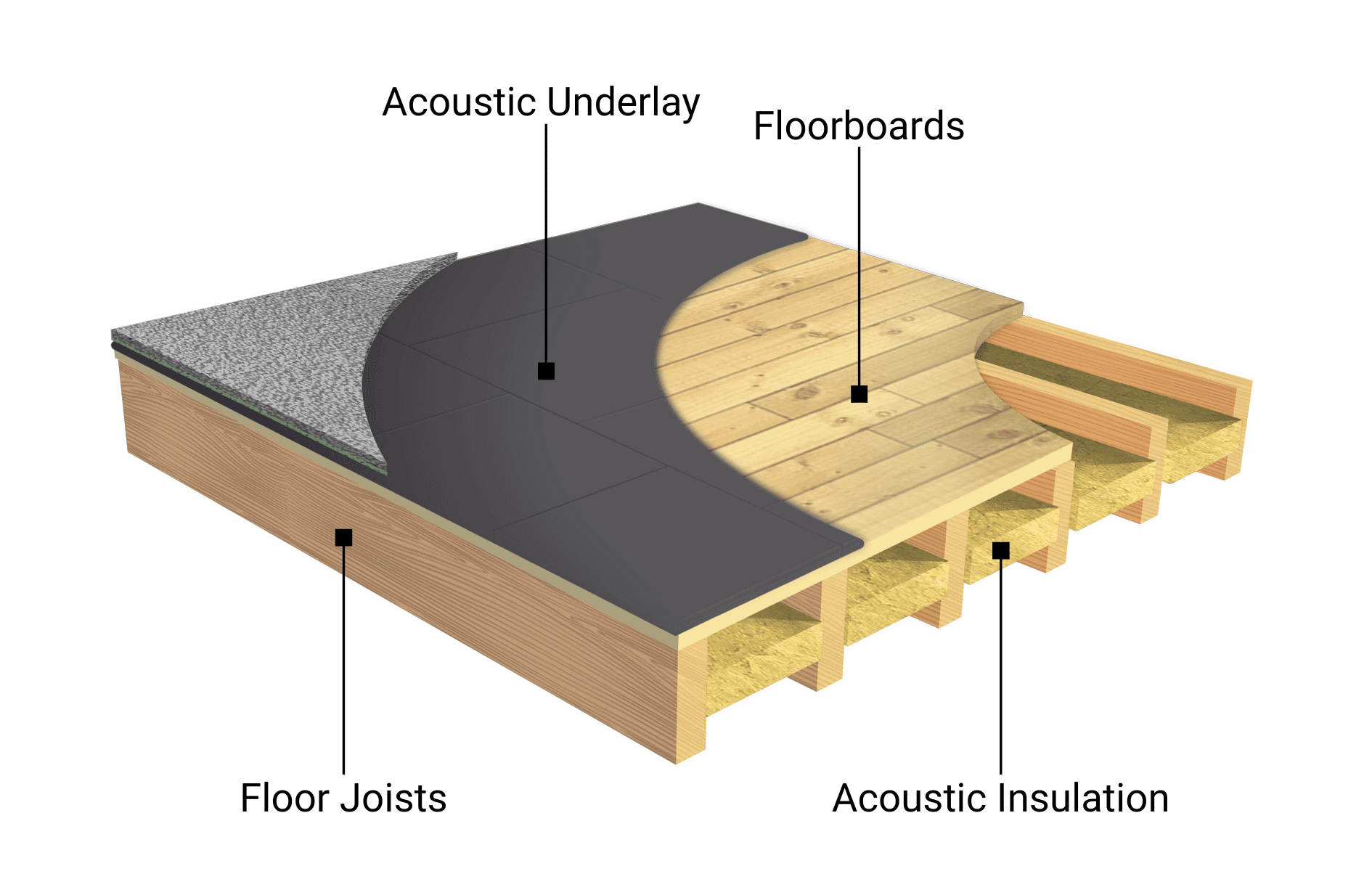
The first thing to note is that the difference between standard insulation and acoustic insulation is that the latter is manufactured as a slab, whereas thermal insulation is normally on a roll.
60kg/m3 acoustic insulation is the optimum density for soundproofing floors
Acoustic insulation slabs are denser than thermal insulation. We recommend using 60kg/m³ dense slabs, as they provide the best soundproofing among the available densities. Based on tests we have conducted, there is no significant difference in sound insulation with increasing insulation density.
100mm thick sound insulation slabs are best for floor soundproofing
We recommended using 100mm-thick insulation slabs inside floor joists, which is standard for most floor joist depths. There is no requirement to fill the cavity with insulation, as this will not offer a higher level of soundproofing. If the joists are deeper than 250mm, you could consider adding slightly more insulation than the standard 100mm.
Soundproof floors using acoustic insulation between the joists and soundproofing underlays over the floorboards is one of the best ways to soundproof a floor against airborne and impact noise.

Soundproofing products to stop impact sound

Sound-absorbent floor coverings are the best option for reducing impact sounds through floors. By reducing the energy of the impact at the source, you stop it from passing into the rest of the building. Soundproof underlays and floating floors are the best solution for effectively stopping impact noise transfer.
Floor soundproofing products will decouple the flooring you walk on from the structural floor below, preventing vibrations from transmitting through.
Acoustic flooring will incorporate materials that will dampen the floor, enhancing its ability to absorb impact sound transmission.

Best acoustic underlays and floating floors for stopping impact sound
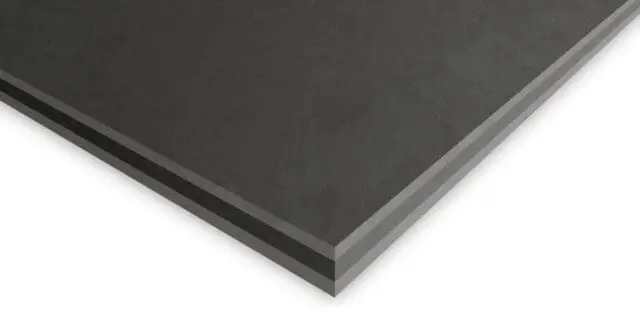
How to soundproof a timber joist floor against airborne and impact noise

The most common construction method, using timber joists and floorboards, does not reduce airborne or impact noise by much. What will you need to successfully soundproof this floor type?
  • Add mass to improve the airborne noise reduction
  • Add a resilient layer over the floor to decouple it
  • Product combinations ensure the best noise reduction levels
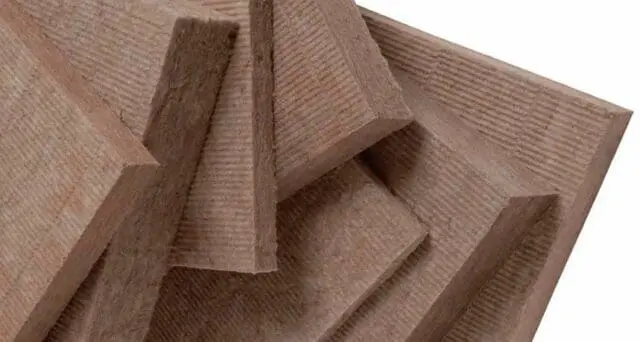
The best option for soundproofing the floor without removing any floorboards is the Noisestop F7 Plus underlay. The F7 Plus mats combine mass to block airborne sounds and acoustic foam to absorb impact sounds, making this our best-performing stand-alone acoustic flooring material.
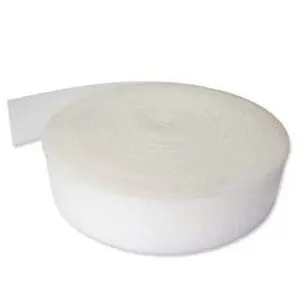
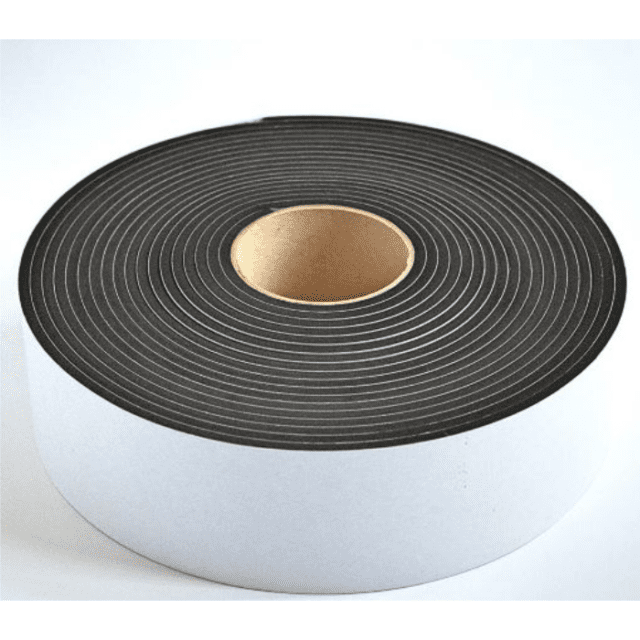
You can enhance your floor’s sound insulation by adding additional materials. Perimeter Isolation Tapes around the edge of the room will decouple the walls from the floor, reducing flanking noise transmission from the floor into the walls.
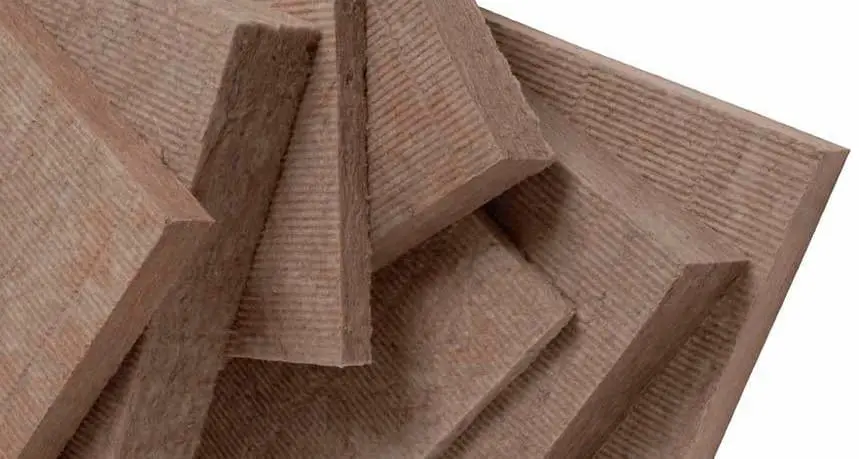
If you can access the floor joists, infilling the cavity between the floor and ceiling will add mass and sound absorption, improving the floor’s ability to stop airborne sound. DFM acoustic insulation with a thickness of 100mm/60kg/m3 is the best thickness and density for most domestic soundproofing requirements.
It is also possible to lione the top of the floor joists with an Isolation Strip, which decouples the floorboards from the joists. Isolating them in this way will reduce vibrations from the flooring transferring into the joist.

Soundproofing for concrete floors

Floors constructed from concrete typically perform better at reducing airborne noise due to the concrete’s high mass. Even though it does reduce airborne sound, concrete floors still transmit impact sound.
The best materials for soundproofing concrete floors are those that absorb impact at the source; this typically means using an acoustic underlayment between the floor finish and the concrete. Acoustic underlays and floating floors are suitable for increasing a concrete floor’s ability to reduce impact-induced vibrations.

The best soundproofing materials for concrete floors
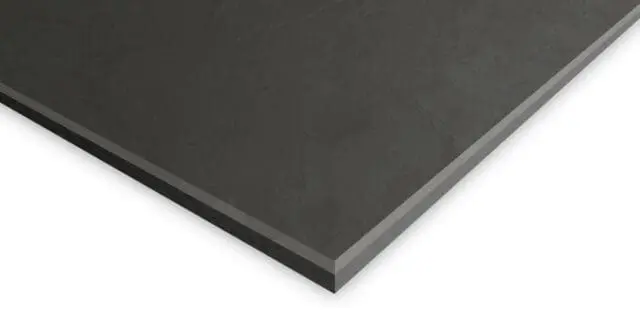
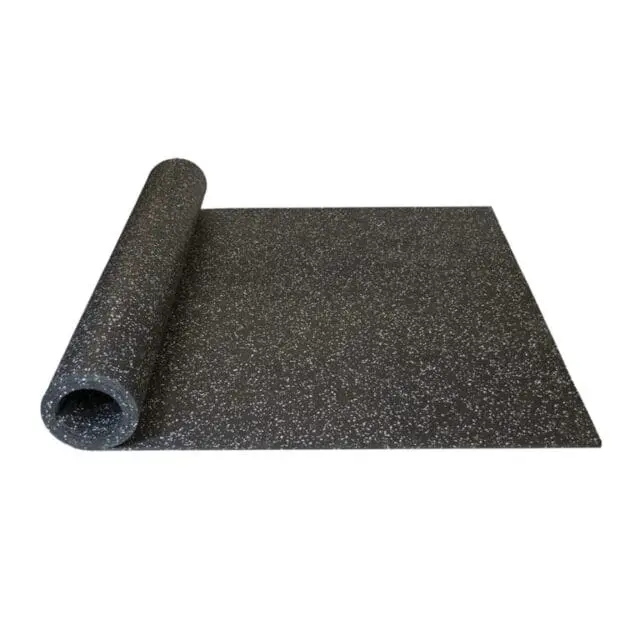
Our best soundproofing for concrete floors is products like the Noisestop F7 or the Noisestop Impact Mat. The Noisestop F7 is a two-layered acoustic underlay that combines acoustic-grade closed-cell foam, which is great for absorbing impacts, with mass-loaded vinyl for added airborne protection. The Impact Mat is the slimmest concrete floor solution, a recycled product made of rubber and cork, which is ideal for reducing footfall noise.

What floor finishes can you lay over floor soundproofing products?

With so many floor finishes available, it can be difficult to know which can and can’t be applied over a floor soundproofing product. Here are guidelines for the most popular floor finishes and how to fit them over the soundproofing.

Soundproofing below carpets

It is possible to lay carpets directly over soundproof underlays. We do advise that, if possible, it is better to combine acoustic underlays with traditional carpet underlays.
If you do combine the underlays, you will need to consider the edging profile to ensure an even height around the edge of the room. A perimeter edging strip should be combined with the carpet gripper rods to ensure the gripper rods are at the correct height to meet the carpet.
When using a floating floor system like the Noisedeck boards with a hard deck, you would use carpet underlay and gripper rods directly over the flooring below the carpet.

Installing solid flooring over soundproof floors

Laminate flooring: As a general rule, laminate is too thin to lay directly over acoustic underlays. A resilient layer must be used between the soundproofing and the laminate to stabilise the laminate flooring. Our recommendation would be to use an interlocking layer, such as 9mm MDF boarding.
A laminate floor can be laid directly over an interlocking deck, such as the Noisedeck boards, which will provide a stable base for the laminate.
Engineered flooring: Floor finishes 15mm or thicker can be laid directly over any of the floor soundproofing materials, including acoustic underlays. Engineered floors and solid hardwood floors are thick enough to support themselves and do not need further stabilising. Specialist flooring, such as parquet, would require support, so it is always best to consult the floor fitters.
Tiled floors: Tiles require a secure, stable base, so you cannot fit tiles directly over acoustical underlays. To ensure the tiles’ stability, we recommend using the thicker Noisedeck boards, either the Noisedeck 28 or the Noisedeck 32.
LVT floors: It is possible to lay soundproofing below LVT flooring that does not require additional layers to support the LVT. Our impact mat is suitable for use directly beneath the LVT, as it does not flex or move, ensuring a stable base for the LVT.
The Impact mats are suitable for use below any solid flooring that requires additional soundproofing. As an alternative, the Noisedeck range is ideal for use below LVT, as they interlock and feature a hard deck, ensuring the LVT is well supported.

Can I soundproof against squeaky floorboards?

We thought we would add this one as it is something we have been asked a lot over the years. Flooring tends to squeak from small movements between floorboards or between the flooring and joists.
The important thing to note is that buying soundproofing products might not be the best way to solve this problem.
The best way to stop floorboards from squeaking is to make sure they are securely screwed down. Old floorboards secured with nails can come loose, and the squeaking could be from the flooring moving up and down the nail. If the floorboards interlock, it could be movement at the interlock, causing the squeaking.
Using screws to secure the floorboards should stop the movement and the squeaking. If your flooring is T&G, you can pour a water-down PVA glue over the edges. The glue will fill any gaps and, when it dries, harden, reducing movement along the edges and preventing the floor from squeaking.

Concluding how to soundproof a floor

Soundproofing floors is one of the most effective ways to create a quieter, more comfortable living space. Whether you’re dealing with foot traffic, dropped objects, or sound travelling between levels, the right combination of materials—such as underlayment, insulation, carpets, and proper installation techniques—can significantly reduce noise transmission. While no solution is right for all floor types, even small upgrades can make a noticeable difference. By understanding your noise problem and choosing methods that fit your space and budget, you can transform a noisy floor into one that supports peace, privacy, and better overall comfort in your home.

For more help and advice on how to soundproof your floors, why not speak with an expert? Get in touch with one of our friendly team members, who will be able to answer all your floor soundproofing questions.

Soundproofing floors FAQs

Check out all frequently asked floor questions.

Impact noise through floors refers to sounds generated by impact or physical contact with a floor surface that are transmitted to the space below. This could be footsteps, dropping objects, dragging furniture, or any action that causes vibrations and sound transmission through the floor’s structure.

Soundproofing materials, acoustic underlays, and floating flooring options are used to reduce the impact noise that travels between floors.

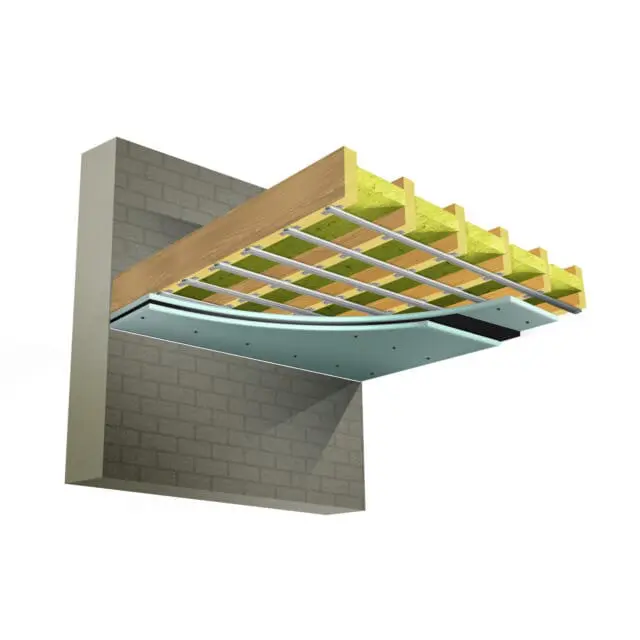
Installing soundproofing on the floor will give you the best results in reducing impact noise. However, ceiling solutions are also available to reduce impact noise from below.

Airborne noise refers to sound that travels through the air, like voices, music, or TV noise. To soundproof against airborne noise, you add mass and absorption materials to the floor.

Materials such as acoustic insulation and soundproof mats all help reduce airborne sound transfer between floors. The Noisestop F7 Plus is our highest performing acoustic underlay. Acoustic insulation DFM, with 100mm between floor joists, is another way to increase the mass and absorption of wooden floors.

You can lay the carpet directly onto acoustic underlays. You might use them in conjunction with a traditional carpet underlay for added comfort.

If the flooring you are using is below 15mm thick and you are using one of the acoustic underlays, you would need to use a resilient layer over the soundproofing to support the floor finish. Flooring over 15mm thick, such as engineered flooring and natural wooden floors, can be laid directly over underlays.

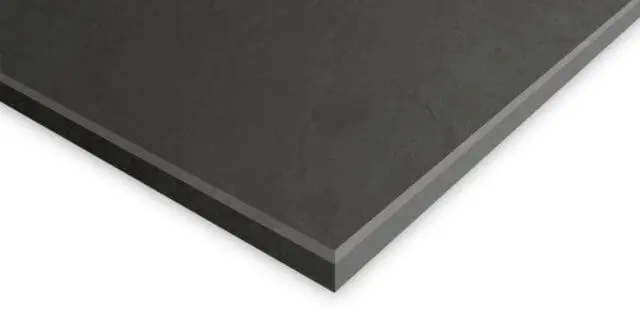
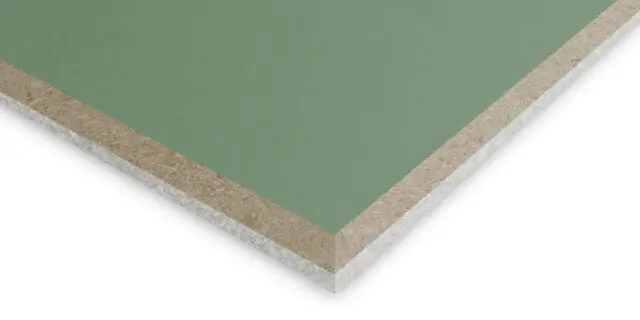
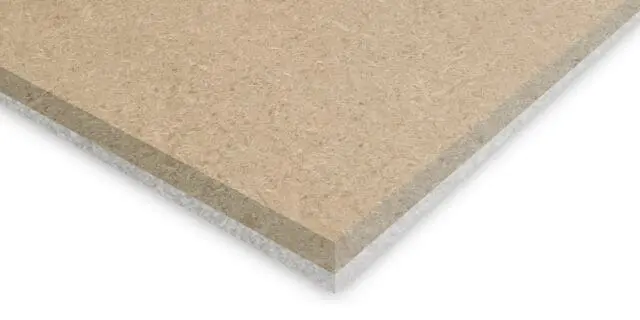
Interlocking floors in the Noisedeck range already have a suitable base for any floor finish, so they do not require further treatment.

When installing soundproofing for your floors in these spaces, avoid directly placing kitchen units, baths, sinks, or toilets onto the soundproofing. To maintain consistent floor heights, use a plinth beneath these items to keep everything at the proper level.
Soundproofing posts

Get in touch

If you’d like any help or advice, or would like to chat to us, please call or fill out this form and we’ll be back in touch shortly