How To Soundproof Floors

Soundproofing floor guide on the most effective solutions to soundproof your floors
How do you soundproof a floor?
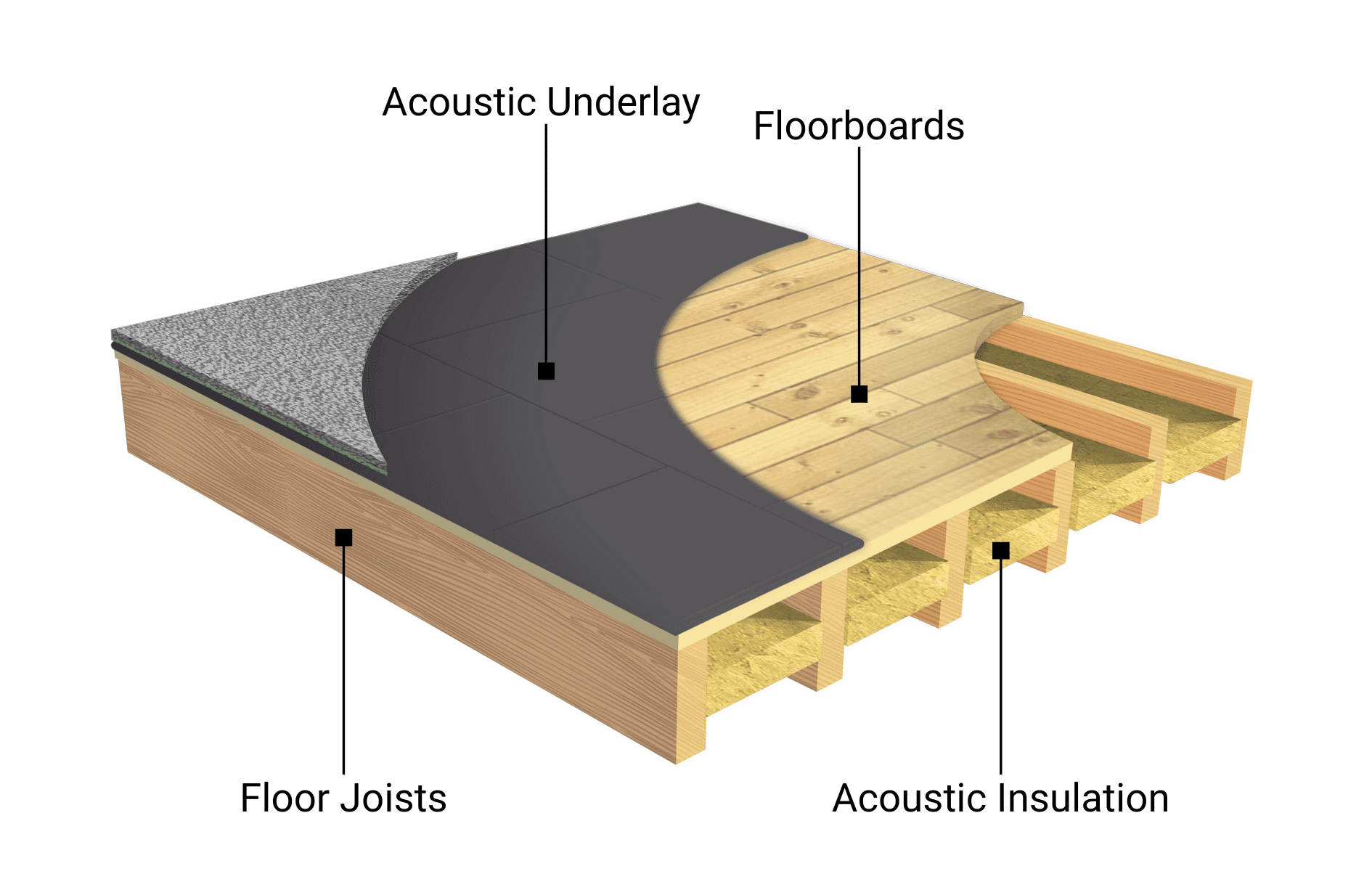
- Add acoustic insulation to add mass and improve the floor’s ability to block and absorb airborne sounds.
- Stop impact and vibrations through the floor with resilient layers like acoustic underlays and floating floors to improve the floor’s ability to absorb impact sound transfer.
- Combining materials will ensure the best level of floor soundproofing against a range of sounds.
- As a general rule, most products laid over the floor are designed to stop impact sounds, and some also add mass, which increases airborne soundproofing. Filling floor cavities with acoustic insulation primarily stops airborne noise, but it also enhances the floor’s ability to absorb impact sounds that travel through the air.
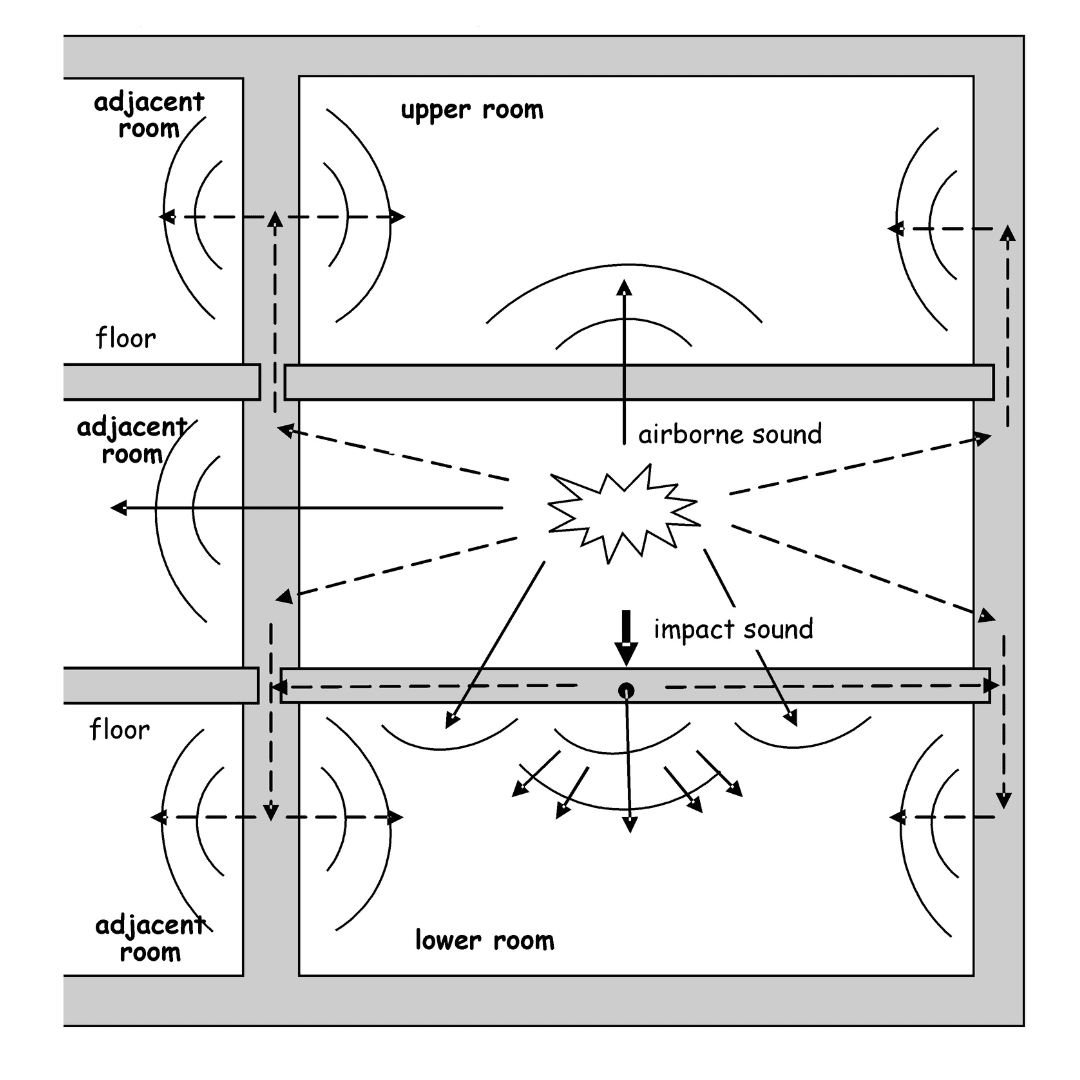
Is it airborne or impact sound?
What are the best materials for soundproofing floors?
Acoustic insulation to add mass and absorption to floors
What insulation should I use between the floor joists?
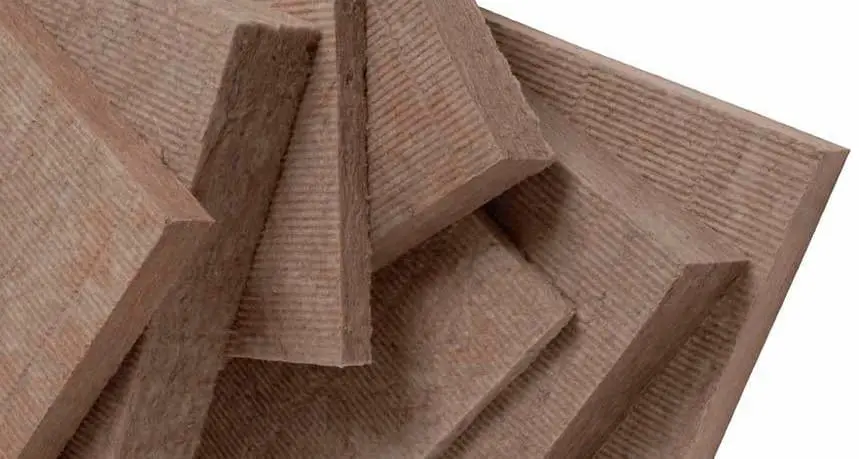
DFM Acoustic Insulation
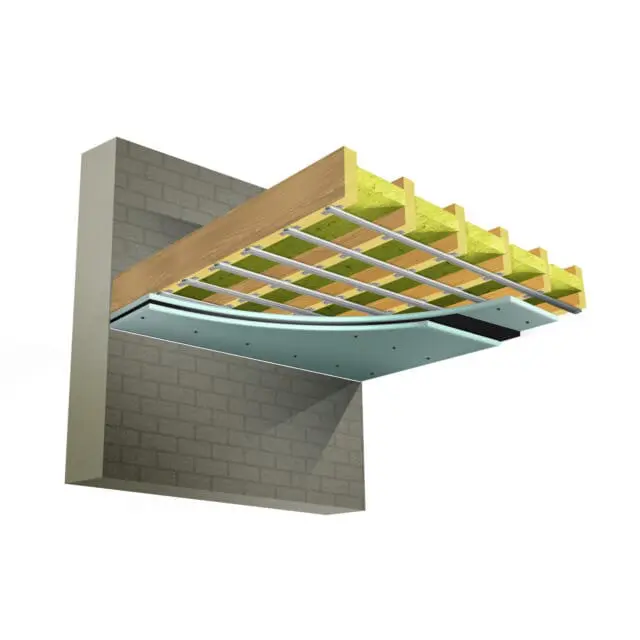
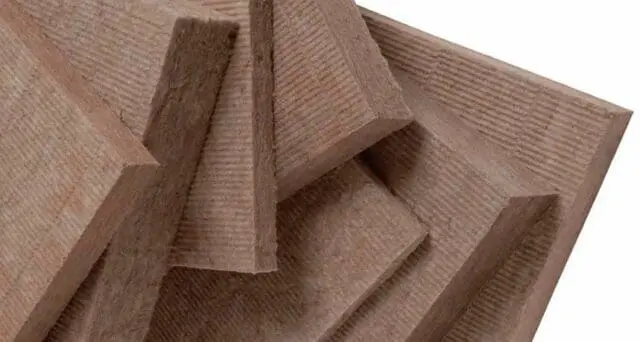
Use acoustic insulation slabs inside floor cavities to add mass to reduce airborne noise transfer through floors
- High-density acoustic slabs increase the mass and density of timber joist floors
- Reduce sound resonance inside empty cavities
- Increase the floor’s ability to block and absorb airborne noises
- As sound comes into contact with the insulation, the sound waves energy is converted into heat
Soundproofing products to stop impact sound
Best acoustic underlays and floating floors for stopping impact sound
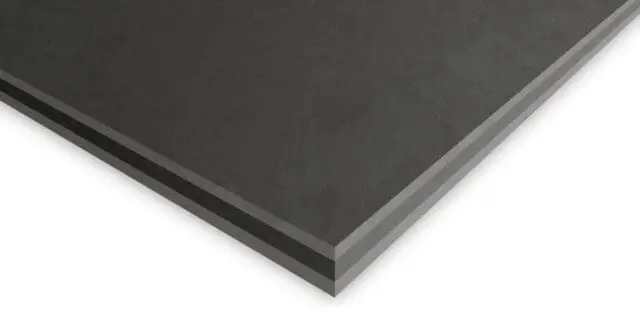
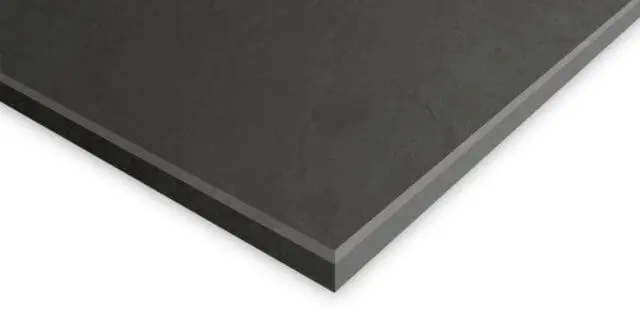
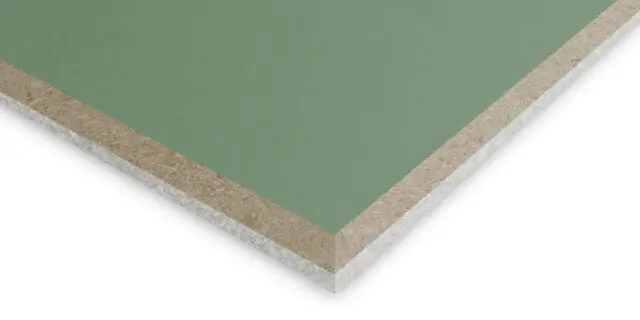
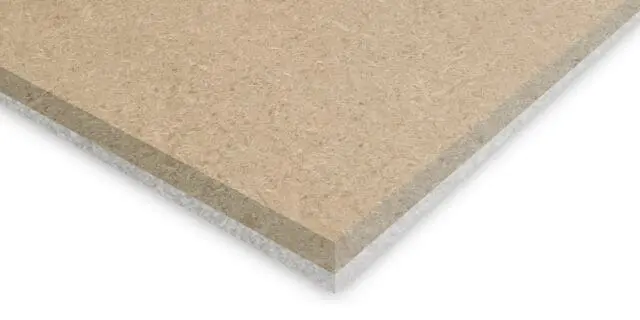
How to soundproof a timber joist floor against airborne and impact noise
- Add mass to improve the airborne noise reduction
- Add a resilient layer over the floor to decouple it
- Product combinations ensure the best noise reduction levels
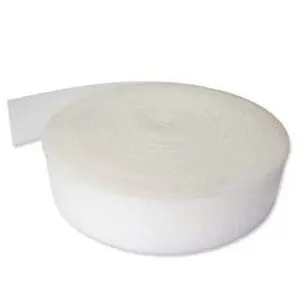
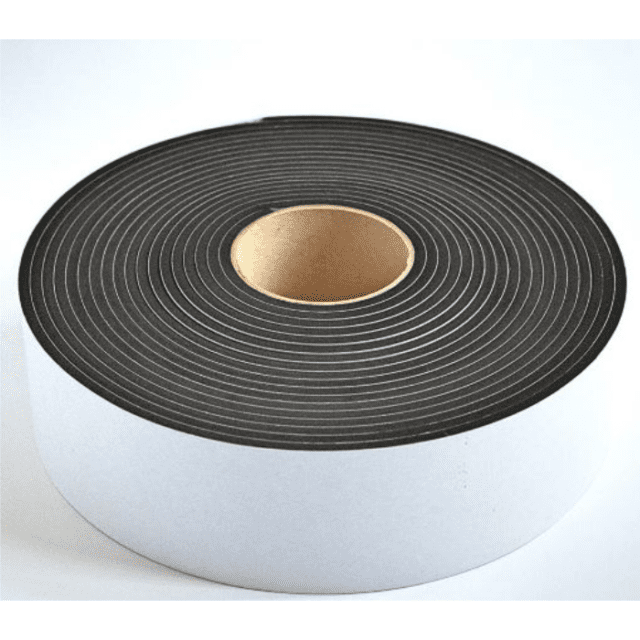
Soundproofing for concrete floors
The best soundproofing materials for concrete floors
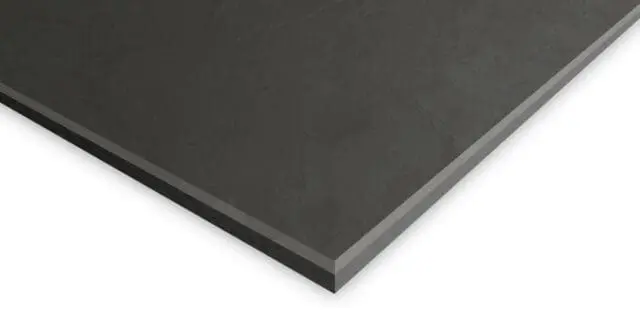
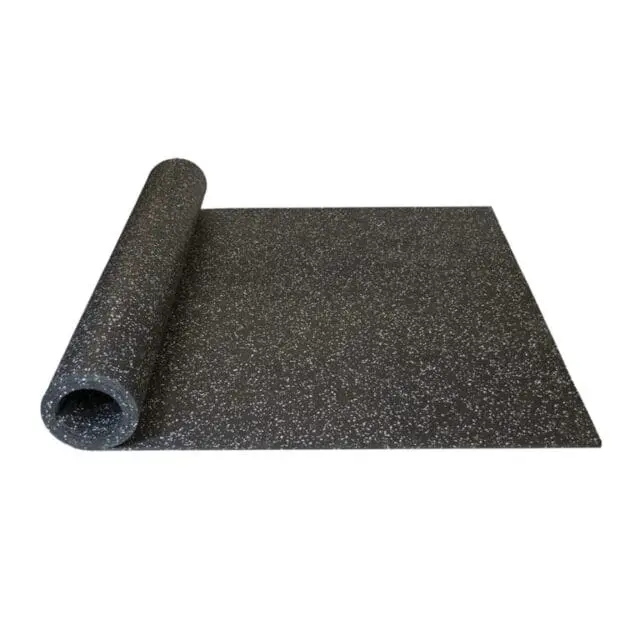
What floor finishes can you lay over floor soundproofing products?
Soundproofing below carpets
Installing solid flooring over soundproof floors
Can I soundproof against squeaky floorboards?
Concluding how to soundproof a floor
Soundproofing floors is one of the most effective ways to create a quieter, more comfortable living space. Whether you’re dealing with foot traffic, dropped objects, or sound travelling between levels, the right combination of materials—such as underlayment, insulation, carpets, and proper installation techniques—can significantly reduce noise transmission. While no solution is right for all floor types, even small upgrades can make a noticeable difference. By understanding your noise problem and choosing methods that fit your space and budget, you can transform a noisy floor into one that supports peace, privacy, and better overall comfort in your home.
For more help and advice on how to soundproof your floors, why not speak with an expert? Get in touch with one of our friendly team members, who will be able to answer all your floor soundproofing questions.
Soundproofing floors FAQs
Check out all frequently asked floor questions.
Impact noise through floors refers to sounds generated by impact or physical contact with a floor surface that are transmitted to the space below. This could be footsteps, dropping objects, dragging furniture, or any action that causes vibrations and sound transmission through the floor’s structure.
Soundproofing materials, acoustic underlays, and floating flooring options are used to reduce the impact noise that travels between floors.
Installing soundproofing on the floor will give you the best results in reducing impact noise. However, ceiling solutions are also available to reduce impact noise from below.
Airborne noise refers to sound that travels through the air, like voices, music, or TV noise. To soundproof against airborne noise, you add mass and absorption materials to the floor.
Materials such as acoustic insulation and soundproof mats all help reduce airborne sound transfer between floors. The Noisestop F7 Plus is our highest performing acoustic underlay. Acoustic insulation DFM, with 100mm between floor joists, is another way to increase the mass and absorption of wooden floors.
You can lay the carpet directly onto acoustic underlays. You might use them in conjunction with a traditional carpet underlay for added comfort.
If the flooring you are using is below 15mm thick and you are using one of the acoustic underlays, you would need to use a resilient layer over the soundproofing to support the floor finish. Flooring over 15mm thick, such as engineered flooring and natural wooden floors, can be laid directly over underlays.
Interlocking floors in the Noisedeck range already have a suitable base for any floor finish, so they do not require further treatment.
When installing soundproofing for your floors in these spaces, avoid directly placing kitchen units, baths, sinks, or toilets onto the soundproofing. To maintain consistent floor heights, use a plinth beneath these items to keep everything at the proper level.