
Back to Help, Info & Tips
How to Soundproof a Ceiling

How to soundproof ceilings against noisy neighbours
Noise from upstairs neighbours, footsteps, or a busy household can quickly turn your home into a stressful place. Soundproofing a ceiling is one of the most effective ways to reduce unwanted noise and restore peace. Whether you’re dealing with footsteps, voices, or music, this guide walks you through practical, proven ways to soundproof a ceiling.
Understand the type of noise you are dealing with
Before choosing a solution, it’s essential to identify the kind of noise coming through your ceiling:
- Airborne noise – voices, TV, music
- Impact noise – footsteps, furniture moving, dropped items
Airborne noise is usually easier to reduce, while impact noise often requires more advanced solutions.
What are the options to soundproof a ceiling against noisy neighbours?
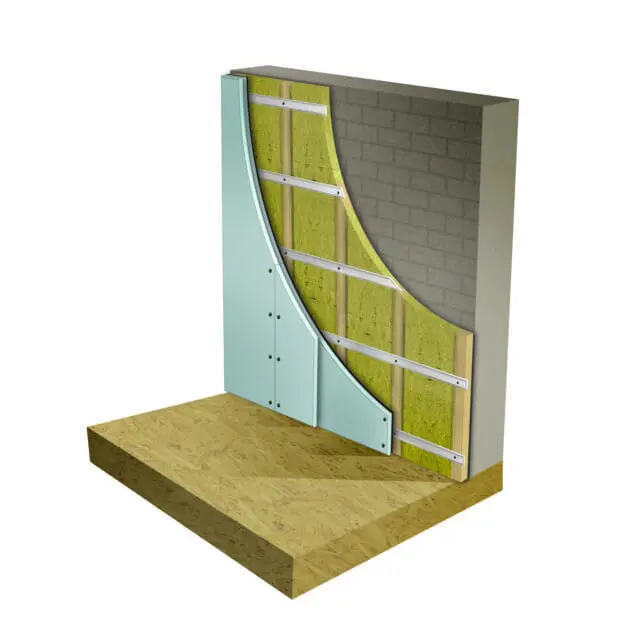
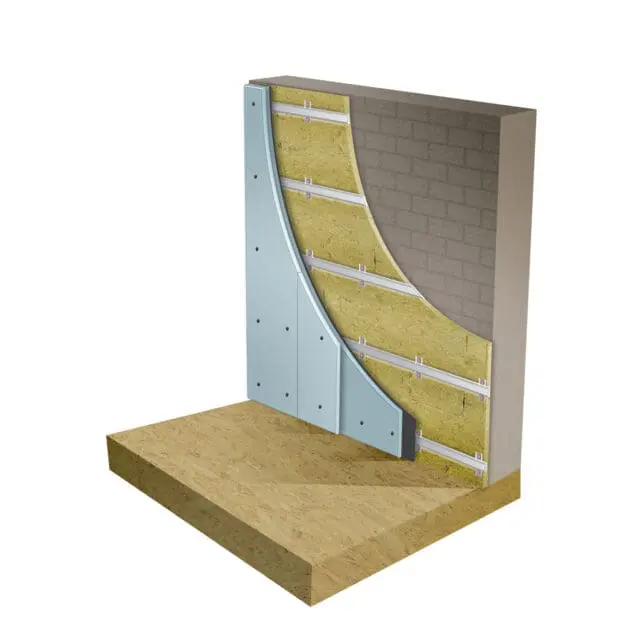
Soundproofing a ceiling can be done in two ways: with direct-to-ceiling panels or an acoustic ceiling system. For this guide, we will focus on soundproofing ceilings with ceiling joists, as this is the more common construction method in UK homes.
If you already know what you are looking for, you can jump straight to our ceiling soundproofing product section, which has all the best materials for soundproofing your ceilings.
Soundproofing ceilings using panels directly onto the ceiling
Applying panels directly to an existing ceiling will provide some soundproofing against lower-level airborne sound. It is doubtful that soundproof panels fitted below the existing ceiling will stop impact sounds. Soundproof panels like the Noisestop Acoustic panel or the Silent Panel will block airborne noise through the ceiling, reducing noise from lower levels, such as conversation or TV.
Reasons to consider using panels to soundproof your ceilings include their slim profile, which doesn’t reduce head height in the room. Using the soundboards is also good if you are looking to stop airborne noise and don’t have a problem with impact noise. For ceilings that require sound insulation against airborne and impact noise, we recommend a soundproof ceiling system.
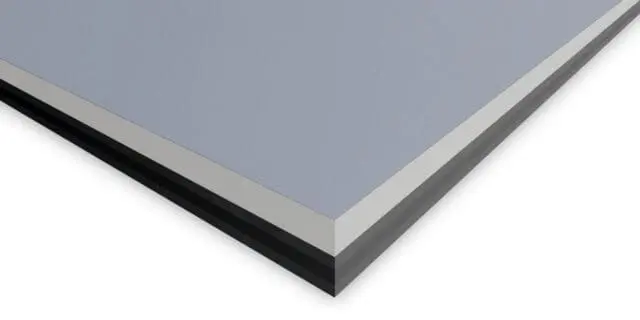
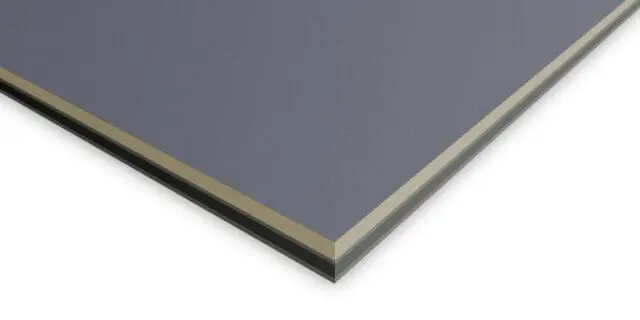
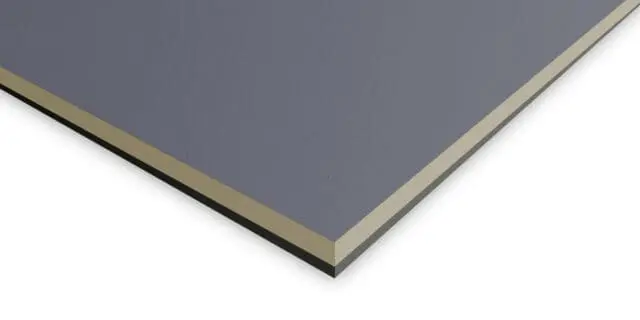
Soundproofing your ceilings against noisy neighbours with an acoustic ceiling system
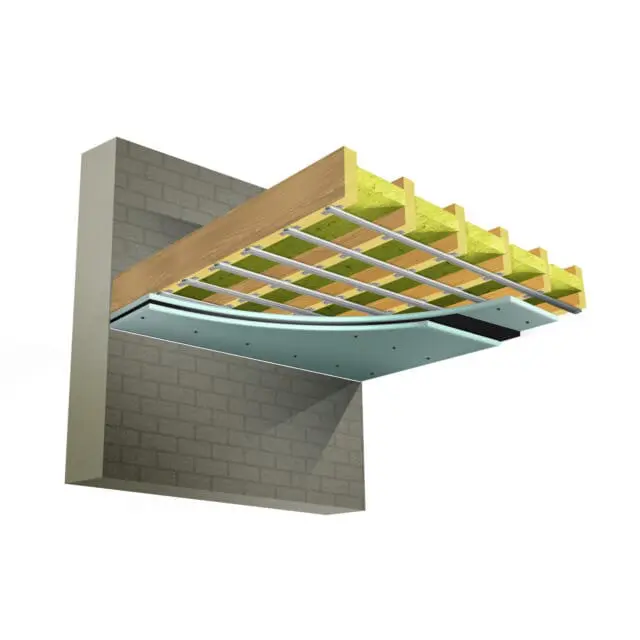
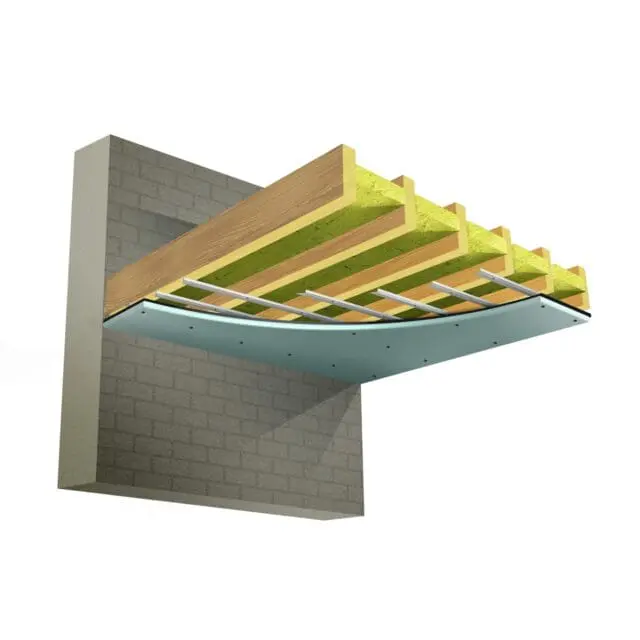
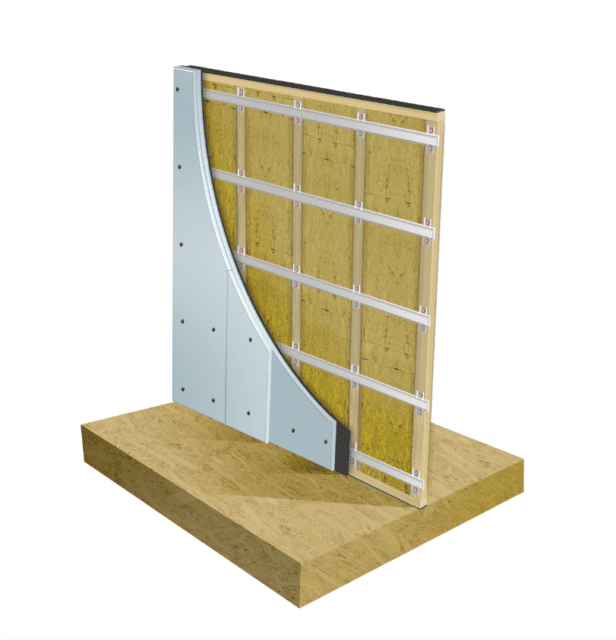
When you need the best ceiling soundproofing, we recommend the AcoustiClip Ceiling System. Here is a brief guide to how the system is fitted and how the soundproofing works.
Step 1.
You must remove the existing ceiling to expose the ceiling joists. Removing the ceilings is a messy job, but very important, as it allows you to access the cavity between the joists.
Step 2.
The cavities between the joists are insulated with 100mm-thick acoustic slabs with a density of 60 kg/m³. The sound-insulating slab absorbs sound and prevents the cavity from acting like a drum, reducing sound reverberation.
Step 3.
Special sound isolation clips are then screwed into the joist to form the base of the new acoustic ceiling. The AcoustiClips are screwed into the joists and act as shock absorbers, reducing sound that vibrates through the joists. The clips have dual rubber fixing points, which are more secure than clips with single fixing points.
Step 4.
Metal furring channels are secured into the clips before the final layer of boards is applied.
Step 5.
Two layers of soundboard are secured into the furring channel. A layer of 15mm soundproof plasterboard and our Noisestop 1 Plus Panel, which integrates a sheet of 10kg/m3 mass-loaded vinyl, so you don’t have to apply awkward and heavy rolls of acoustic membrane yourself.
Step 6.
Once the boarding has been applied, you can have the ceiling skimmed or brought to a decorative finish of your choice.

Soundproofing a ceiling from the floor above
You will only be able to soundproof the floors above the ceiling in your own home, or if you are on good terms with your neighbours. If you are soundproofing against impact noise, we often recommend soundproofing the floor when possible. Soundproofing the floor usually yields better noise reduction than soundproofing the ceiling. Once the floor finish has been removed, applying acoustic underlays, such as the Noisestop Acoustic Underlay, or even floating floors, such as Noisedeck 19, will significantly reduce impact sounds through the floor/ceiling.
What you will need to soundproof ceilings
Acoustic insulation: Filling ceiling joist cavities with sound insulation slabs is a crucial part of soundproofing a ceiling. The sound slabs will add mass and sound absorption to the ceilings, which is vital for reducing the transfer of airborne sounds.
Decoupling clips: Fitting isolation clips to the underside of the ceiling joists is the best way to isolate the ceiling without building a complete independent ceiling. Decoupling structures is one of the best ways of reducing sound transfer between rooms.
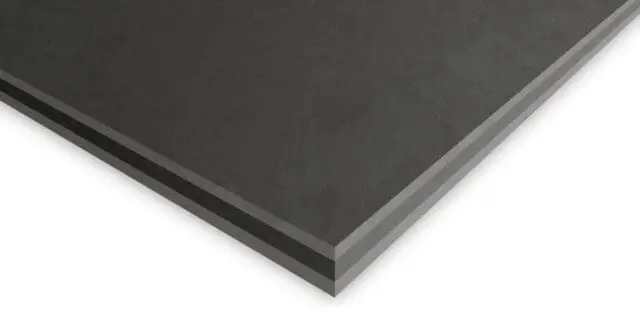
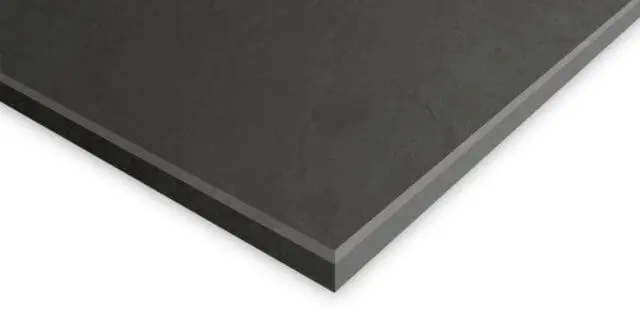
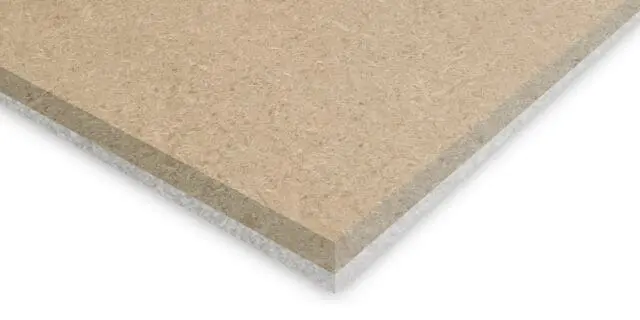
Soundproof panels: Soundproof plasterboard is denser than standard plasterboard, meaning it has a higher mass, which improves the airborne sound insulation perfomance.
Mass-loaded vinyl: Combined with acoustic plasterboard, improves the plasterboard’s ability to block and absorb sound that would otherwise vibrate through. Sandwich high-density vinyl between two soundproof plasterboards for the best results.
Acoustic sealants: Ensuring an airtight seal is vital to overall soundproofing, and they prevent sound from leaking through small cracks and gaps.
Final thoughts on soundproofing your ceiling
Soundproofing a ceiling can make a dramatic difference in comfort, privacy, and overall quality of life—whether you’re dealing with noisy neighbours, footsteps from above, or unwanted airborne sound. By choosing the right combination of materials and techniques, you can significantly reduce noise transmission and create a quieter, more peaceful space.
Every property is different, and the most effective solution often depends on your ceiling structure, noise type, and performance goals. If you’re unsure which approach is best, our specialists are on hand to offer expert advice tailored to your project. Get in touch and speak to one of the team about your soundproof ceiling needs. Alternatively, explore our full range of ceiling soundproofing products.
Soundproofing posts
Get in touch
If you’d like any help or advice, or would like to chat to us, please call or fill out this form and we’ll be back in touch shortly