How To Soundproof Walls
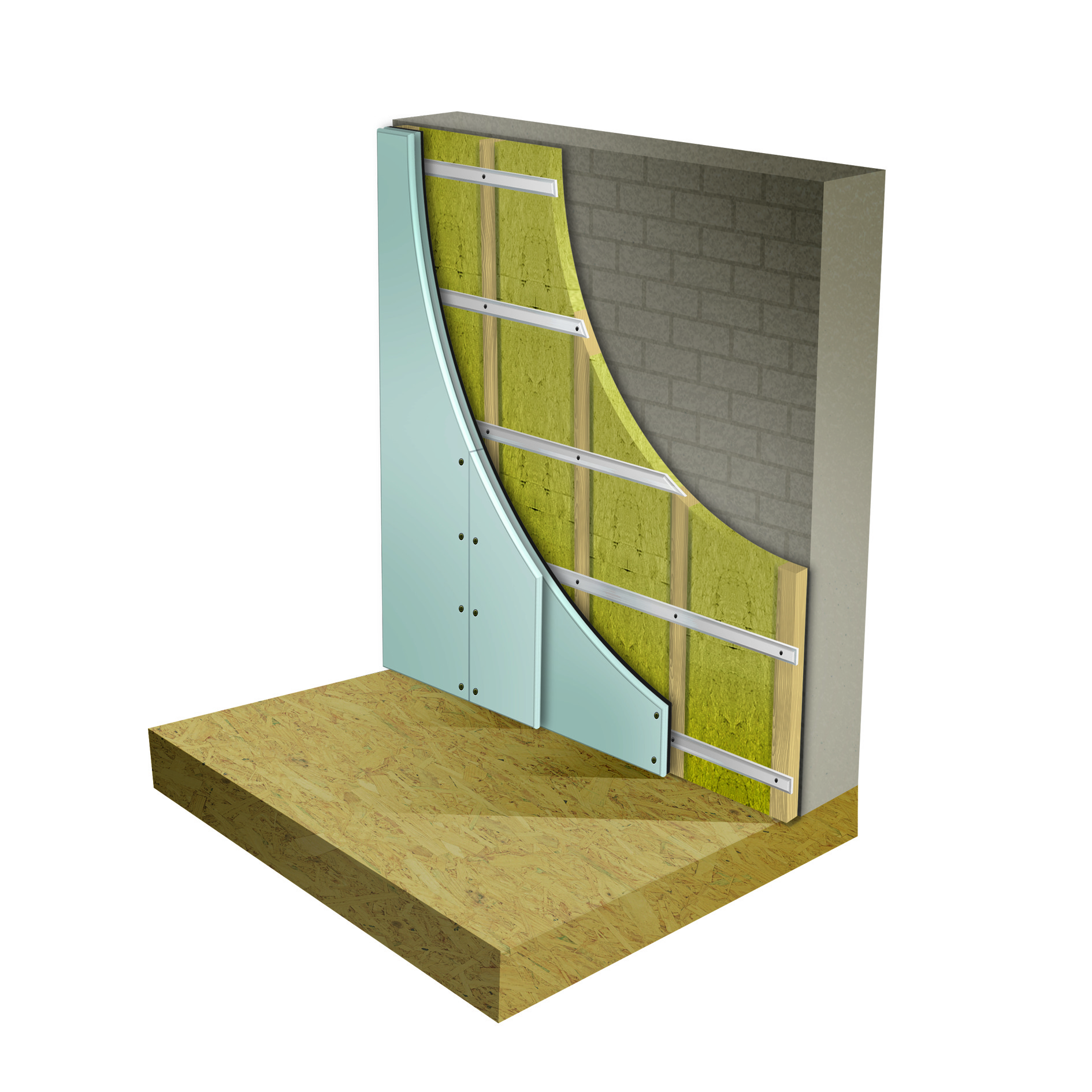
How to Soundproof a Wall: A Detailed Guide to Reducing Noise Transfer
Why You Might Need to Soundproof Your Walls
- Air gaps and cracks around sockets, switches, wall joints, and skirting boards
- Lightweight wall construction, such as stud walls with thin plasterboard
- Direct vibration through the structure, where sound travels along studs, joists, or masonry
- Lack of acoustic insulation inside wall cavities
- Rigid connections between walls, floors, and ceilings that allow sound to pass easily
- Flanking noise, where sound bypasses the wall via adjacent walls, floors, or ceilings
How Sound Travels Through Walls
- Airborne noise – voices, TV, music, barking dogs
- Structure-borne vibration noise – vibrations passing through studs, joists, or masonry
The Three Key Principles of Wall Soundproofing
1. Adding Mass
- Block airborne noise such as voices, TV, and music
- Reduce wall vibration, limiting sound transmission
- Improve overall sound insulation
2. Decoupling
- Reduces structure-borne vibration
- Prevents sound from travelling through studs, joists, or wall frames
- Significantly improves sound insulation when combined with mass and absorption
3. Sound Absorption
- Limits echo and resonance inside walls
- Works well for mid- and high-frequency noise
- Enhances the effectiveness of mass and decoupling
Best Products for Soundproofing Walls
- Acoustic insulation: Absorbs sound energy inside wall cavities and prevents resonance
- Soundproof plasterboard: High-density boards that block airborne noise
- Isolation clips: Decouple the wall from the structure, reducing vibration transfer
- Mass Loaded Vinyl (MLV): Flexible, dense material that blocks sound effectively
- Acoustic sealants: Seal gaps and cracks around joints, outlets, and edges to prevent sound leaks
- Acoustic putty pads: Soundproof electrical outlets using acoustic-rated and intumescent inserts inside electrical back boxes
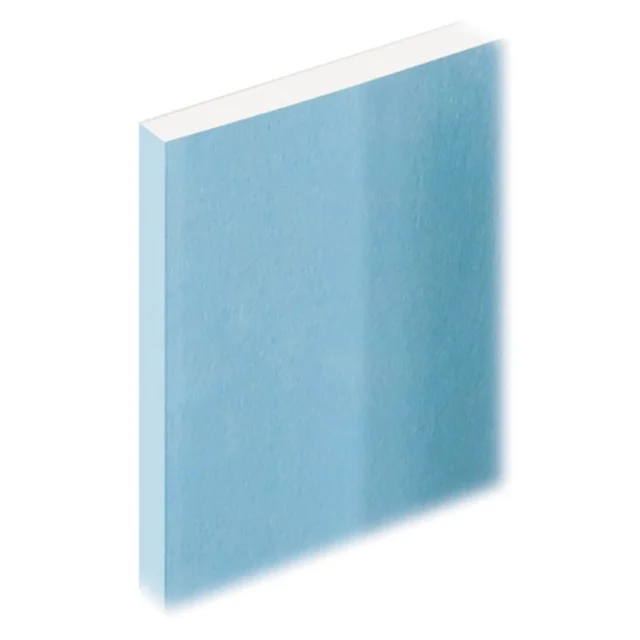
Acoustic Plasterboard 12.5mm - 15mm Full & Half Size
£10.5 exc VAT.
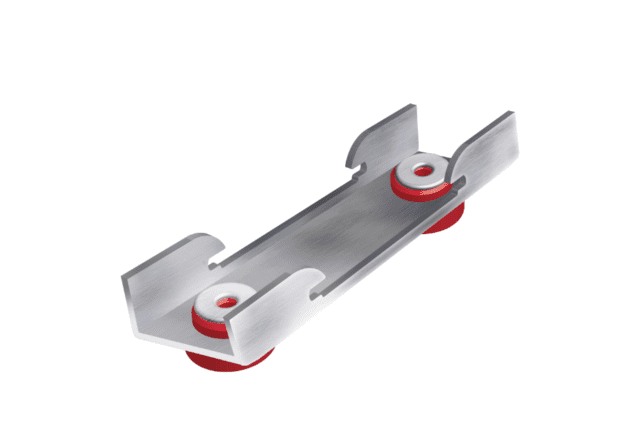
AcoustiClip | Sound Isolation Clip
£4.95 exc VAT.
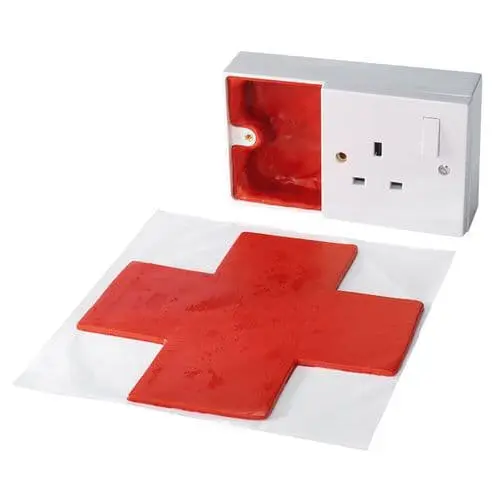
Acoustic Putty Pads Single & Double Sockets
£4.35 exc VAT.
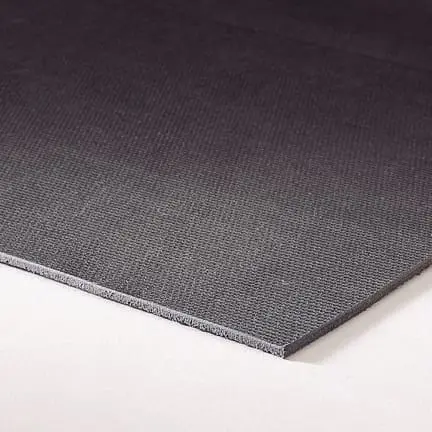
Mass Loaded Vinyl Barrier Shield - 5kg & 10kg 1.2m x 1.2m
£10.05 exc VAT.
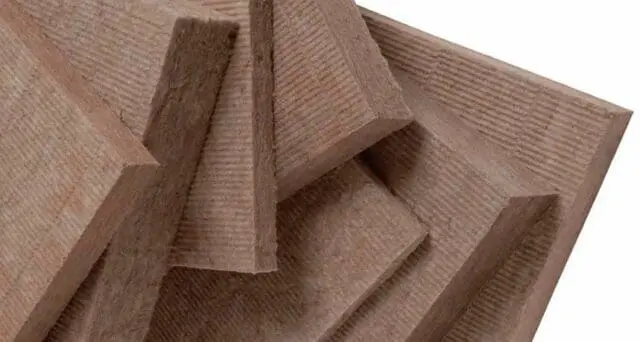
DFM Acoustic Insulation Slabs
£43 exc VAT.
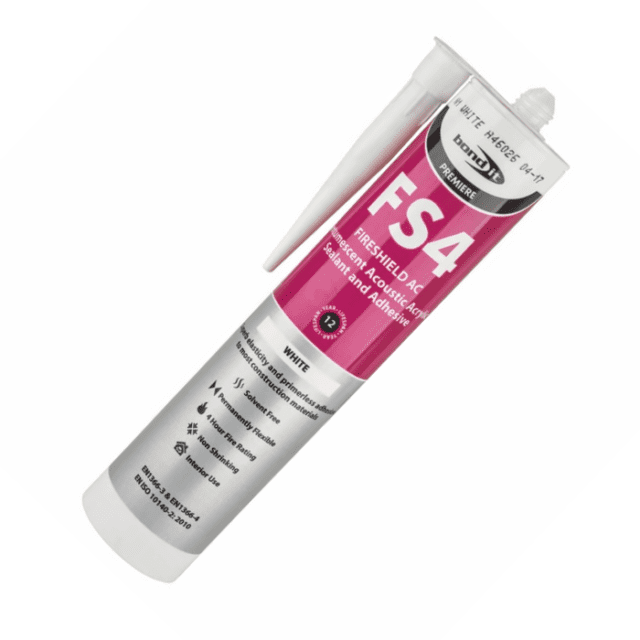
Acoustic Sealants 310ml & 900ml
£3.95 exc VAT.
How to Soundproof a Party Wall
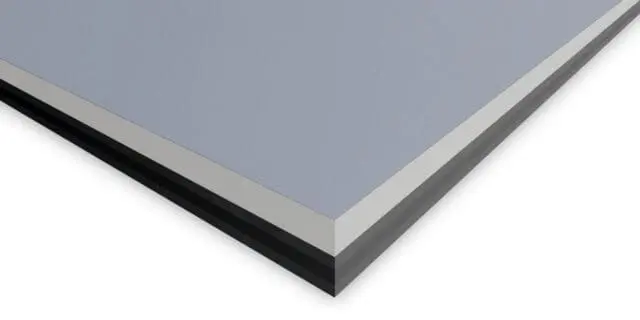
- Panels fixed directly to the existing wall
- Adds mass to reduce airborne noise
- Minimal space loss and faster installation
- Best for low to moderate noise
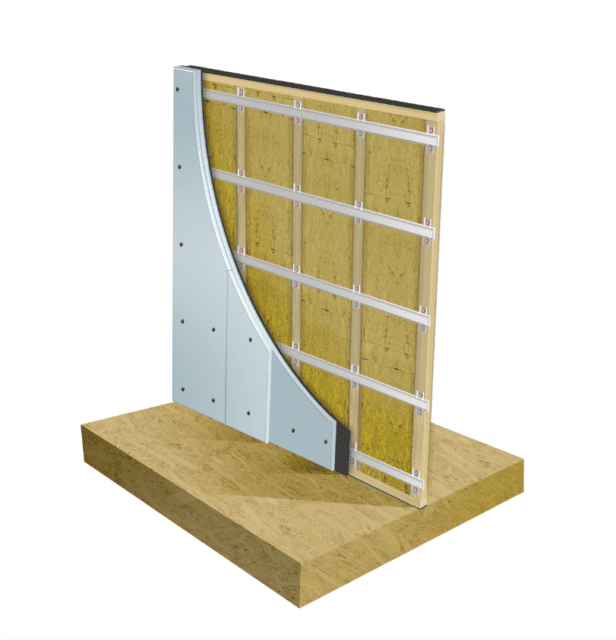
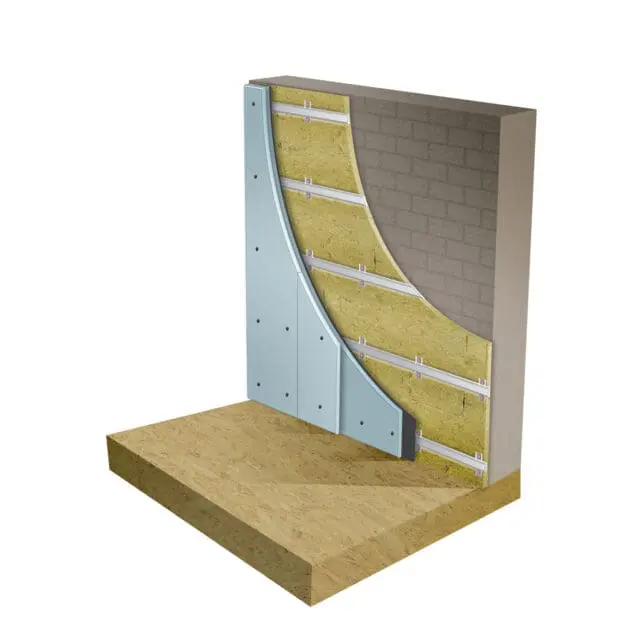
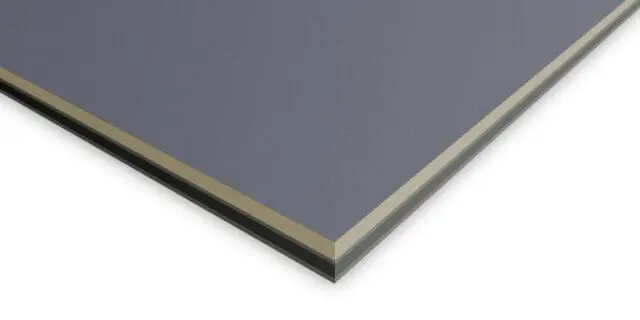
- Uses isolation clips or independent framing to decouple the wall
- Includes acoustic insulation, multiple layers of plasterboard, MLV, and acoustic sealant
- Reduces both airborne and low-frequency noise
- Requires more space and investment but delivers maximum performance
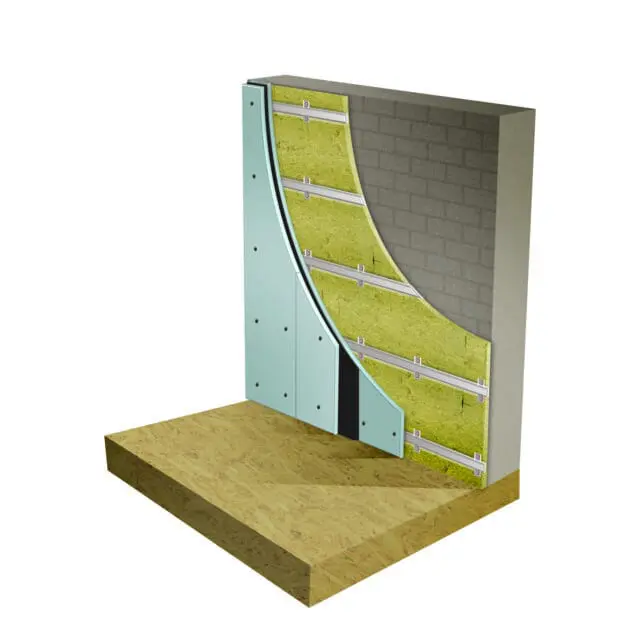
How to Soundproof a Stud Wall
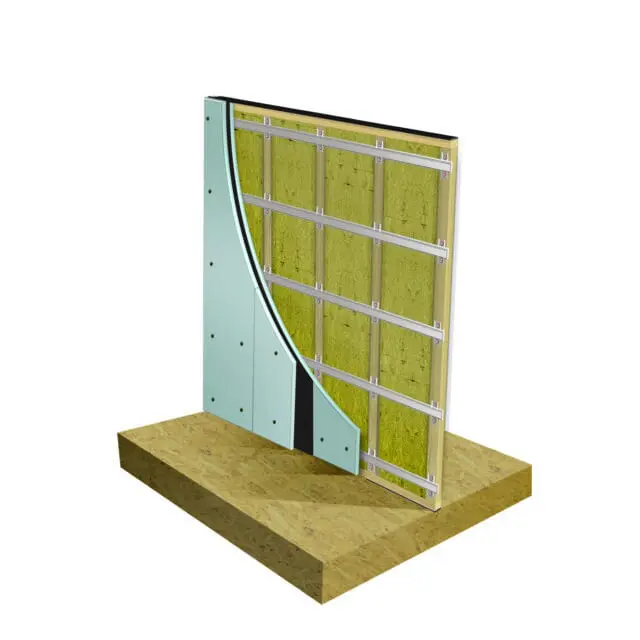
- Fixed to existing plasterboard
- Adds mass to reduce airborne noise
- Quick installation and minimal space loss
- Suitable for light to moderate noise
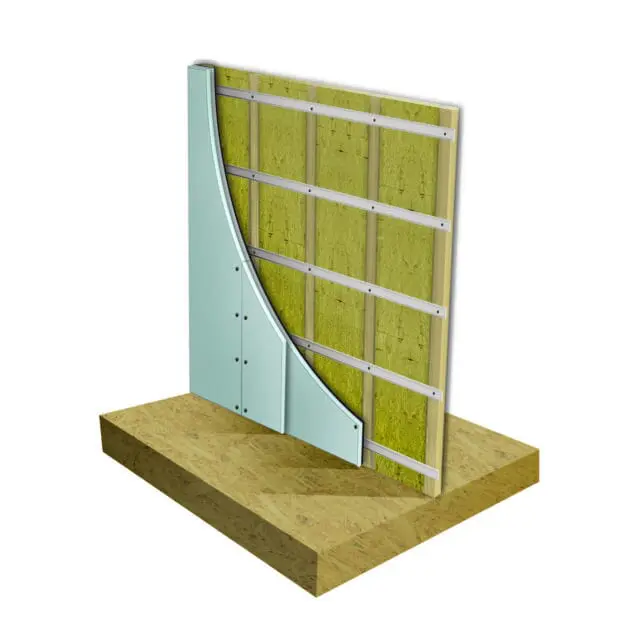
- Remove plasterboard to access the cavity
- Install acoustic insulation between studs
- Add isolation clips/resilient bars and multiple layers of plasterboard, MLV, and sealant
- Delivers superior noise reduction, including low frequencies
Step-by-Step DIY Tips
- Inspect the wall and identify gaps, cracks, and weak points
- Seal all gaps with acoustic sealant
- Install acoustic insulation inside the wall cavity
- Add mass (soundproof plasterboard or MLV)
- Decouple wall surfaces with clips or resilient channels
- Apply finishing layers and seal edges carefully
Common Mistakes to Avoid
- Skipping gap sealing
- Using standard caulk instead of acoustic sealant
- Ignoring low-frequency noise sources
- Failing to decouple walls for vibration and louder noise levels
Conclusion
Soundproofing walls FAQs
The best way to soundproof a wall is to block sound transmission between rooms. The most effective methods to soundproof walls are:
Add mass: increase the wall’s density by adding mass. Use mass-loaded vinyl, soundproof plasterboards, and high-density acoustic insulation to enhance soundproofing.
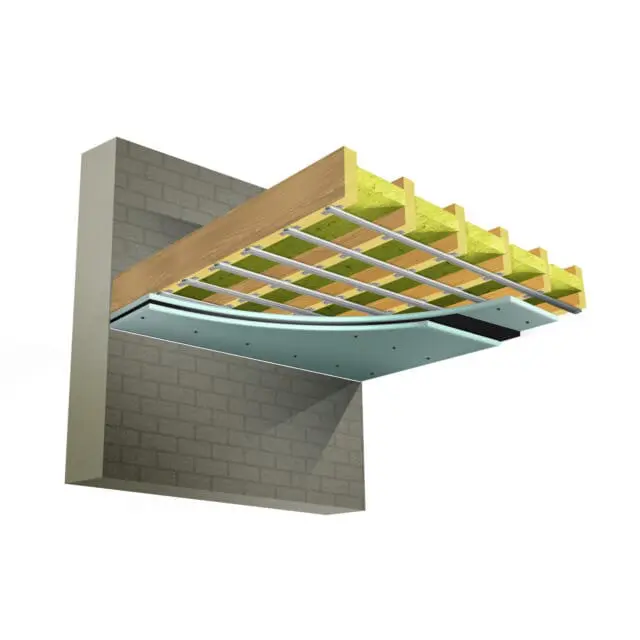
Decoupling: By isolating the existing structure from the new wall, you will reduce vibration and sound transmission through the wall. The AcoustiClip system is the best method of decoupling walls and ceilings.
Sound absorption: The wall’s ability to absorb sound waves is crucial in noise reduction. Product combinations work best for overall sound absorption or sound dampening. Acoustic insulation and soundproof membranes will dampen and absorb sound waves as they come into contact with them.
All our solutions are designed to incorporate as many of these as possible.
- Mass-loaded vinyl (MLV): A dense, flexible material that blocks sound.
- Soundproof panels: High-density soundproofing boards that block sound.
- Acoustic insulation slabs: Help absorb sound within wall cavities.
- Decoupling clips: Sound-isolation clips decouple the existing wall from the new wall, reducing vibration noise.
- Soundproof Plasterboard: Denser than standard plasterboard, making it better at blocking airborne sound.
Soundproofing can significantly reduce noise, but it’s unlikely to block 100% of sound. Low bass frequencies or very loud sounds may still get through, but the overall noise reduction can be substantial. To ensure you get the most from your wall soundproofing solution, consider other areas of the building that may be weak spots and allow sound to pass through. See our flanking noise answer below.
Common flanking noise paths.
- Ceilings and floors, joists with empty cavities
- Side walls that connect to the soundproofed wall
- Studs and framing inside the structure
- Doors and windows
- Electrical outlets, vents, and gaps
Find out more about flanking noise and how to stop it.