




Description
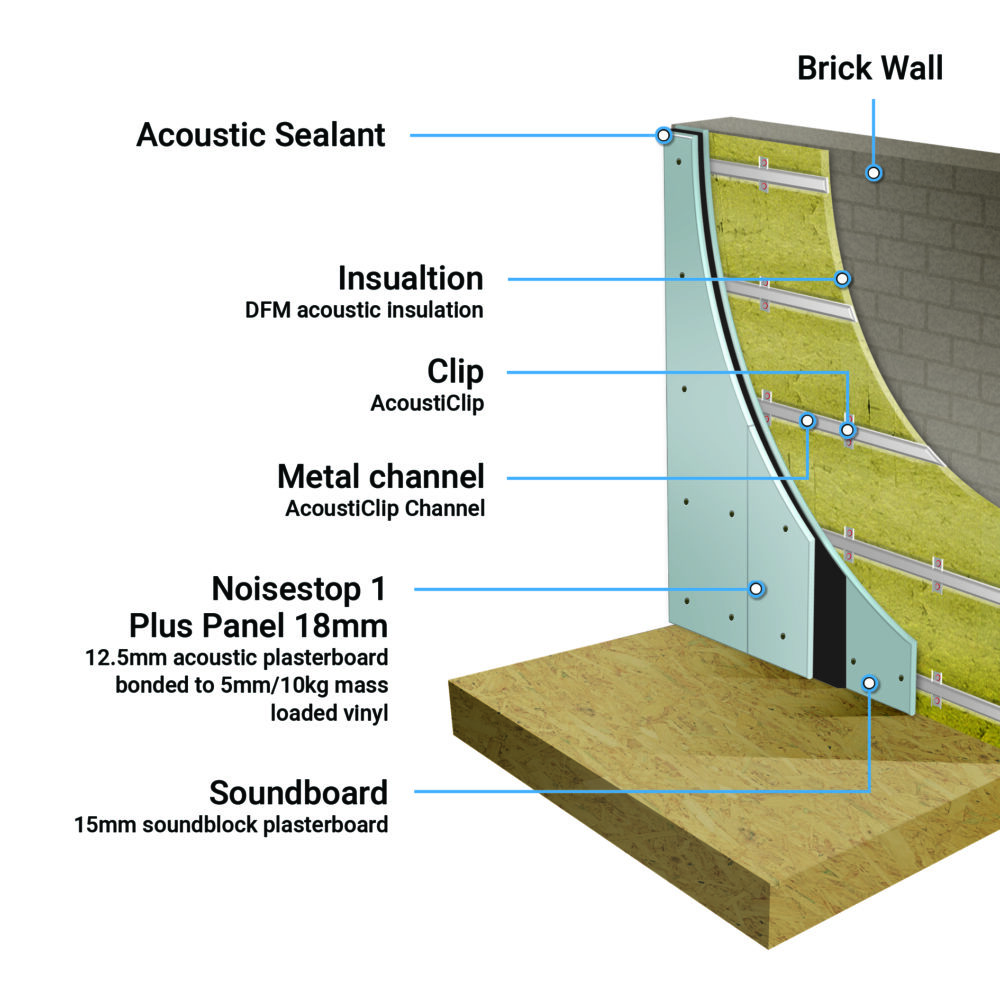
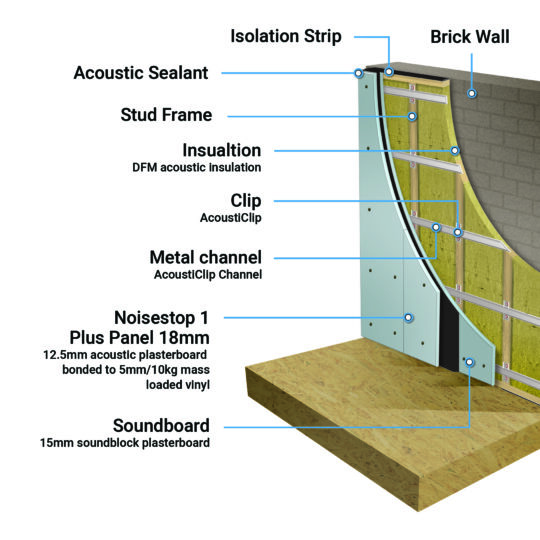
AcoustiClip is our best direct to party wall soundproofing system. A space-saving solution that reduces high noise levels through party walls is suitable for soundproofing against noisy neighbours. The AcoustiClip is fixed directly onto the solid wall, minimising the connection points with the wall and damping sound transfer through vibration—AcoustiChannel clips directly into the AcoustiClip. The 25mm acoustic insulation between the channels reduces sound that typically resonates inside the void. To complete the wall, the Noisestop 1+ Panel and the 15mm soundblock plasterboard are screwed into the AcoustiChannel. This soundproofing system will stop high levels of audible sound and vibration from transferring through walls.
Soundproof systems will effectively block higher levels of noise than any individual soundproofing product. Combining various products into soundproof systems ensures a higher reduction across a broader range of frequencies, ultimately stopping higher airborne sounds and vibration levels.
We supply the following materials when you order this soundproof system.
- Acoustic insulation 25mm/60kg/m3
- AcoustiClips
- AcoustiChannels
- Noisestop 1 Plus Panel 18mm
- Soundboard 15mm
- Acoustic sealant tubes 310ml
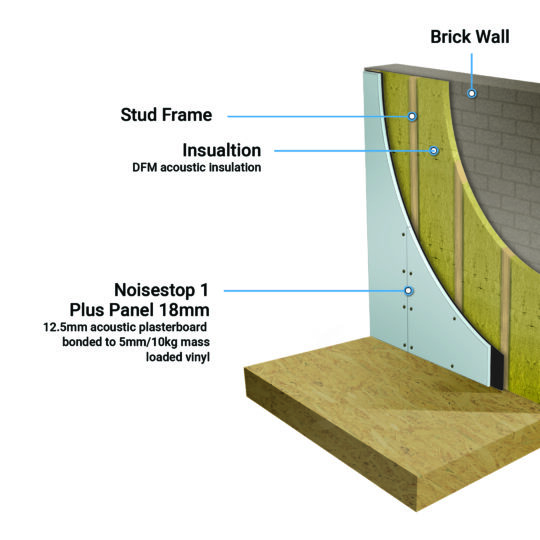
Additional soundproof membranes are not required with our soundproof systems because the Noisestop 1 Plus Panel 18mm is pre-bonded with the 5mm/10kg mass-loaded vinyl barrier, which reduces waste, is more cost-effective and makes for an easier installation.
Product Specification
- System thickness 77mm
- Noise reduction 63dB

The AcoustiClip Direct to Wall System comprises the following materials.
- AcoustiClip – Isolates and decouples the wall from the soundproof panels, decoupling the new wall
- AcosutiChannel – Metal furring channel to attach the soundproof boards
- Acoustic insulation – Adds mass and absorption to reduce airborne sound transfer
- Noisestop 1+ Panel 18mm – Acoustic plasterboard 12.5mm with a layer of 10kg mass loaded vinyl membrane to increase mass and dampen sound and vibration energy
- Acoustic plasterboard 15mm – More mass than standard plasterboard
- Acoustic sealant – Ensure acoustic integrity of the wall by sealing edges and gaps
Thermal Resistance R:
- Acoustic plasterboard 12.5 mm = 0.050 m2 K/W
- Acoustic plasterboard 15.0 mm = 0.060 m2 K/W
- Mass loaded vinyl 0.14 m² K/W
- Acoustic insulation 2.90 W/mK
Thermal Conductivity λR:
- Acoustic plasterboard 0.25 W/mK to BS EN 12524:2000
- Mass loaded vinyl 0.037 W/mK
- Acoustic insulation 0.034 W/mK
Reaction to Fire
- Acoustic plasterboard 12.5mm & 15mm Euroclass A2-s1, d0
- Mass loaded vinyl 10kg EN 13501-1 B-s2,d0 (2)
- Acoustic insulation EN13501-1: A1
Performance Data
Untreated brick wall DnT,w
Single skin 100mm brick wall 38db
Treated brick wall DnT,w
AcoustiClip Solid Wall Stud System 63dB
Improvement DnT,w
Noise reduction with treatment 25dB
Note: Every 10 decibels(dB) reduction in noise level is roughly perceived as a halving of the perceived loudness. So, for instance, if you have a sound that measures 70dB and it decreases to 60dB, it would sound about half as loud to the human ear.
AcoustiClip Direct to Wall System Products
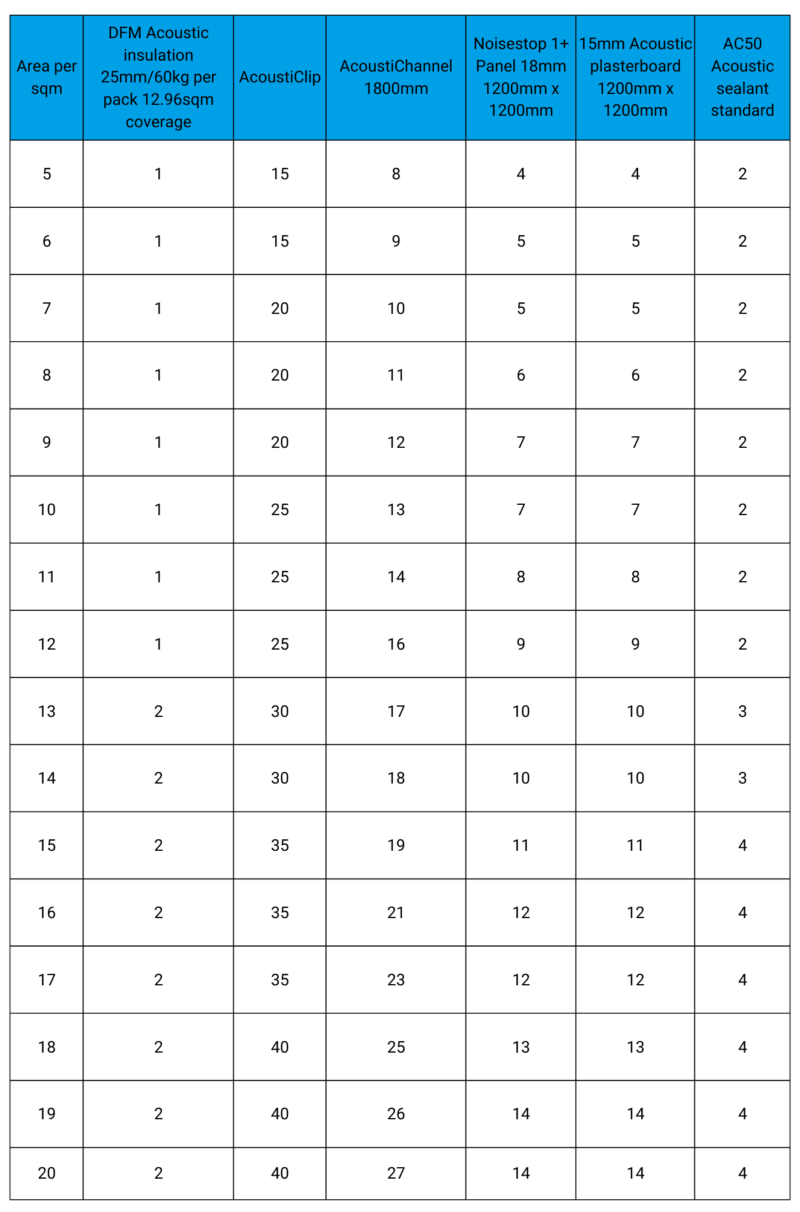
Take a look at the individual components supplied when you buy this solution. The product quantities have been based on walls that are 2.4m high. The wall requires five rows of AcoustiClips starting no more than 75mm from the floor. Each AcoustiClip can be spaced up the wall a maximum of 600mm. This will mean you will have five rows of AcoustiClips for walls that are 2.4m high. Each AcoustiClip can be spaced a maximum of 1200mm horizontally. For example, a 10sqm wall at 2.4m high would be 4.16m long. A clip is fitted at the start and the end of each row. For a 4.16m long wall, you would need five clips horizontally and five rows of clips spaced at a maximum of 600mm vertically up the wall. This means you would require 25 clips for a 10sqm wall that is 2.4m high.
What is supplied when ordering this soundproof system?
The following quantities are supplied when you order this soundproof system. When you buy this soundproof kit, we will provide enough materials to cover the required meterage.
-
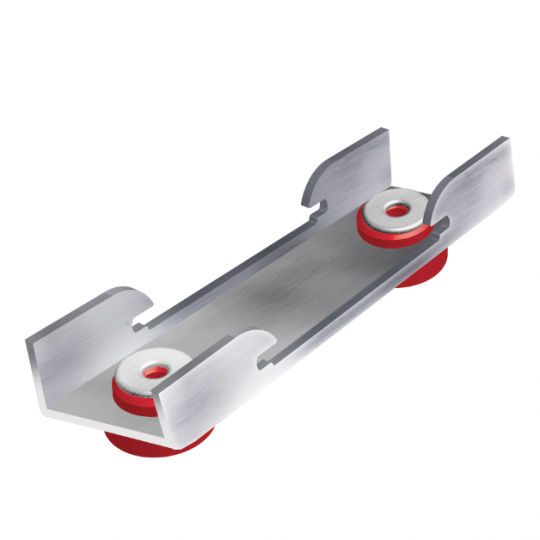
AcoustiClip – Sound Isolation Clip
£4.95 ex. VAT

-
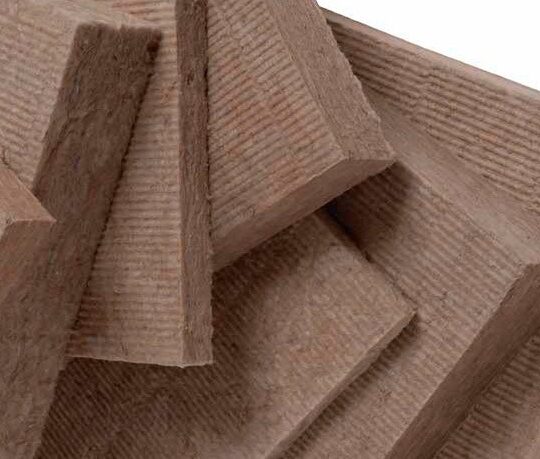
Acoustic Insulation 25mm/60kg DFM Per Pack
£52.00 ex. VAT
-
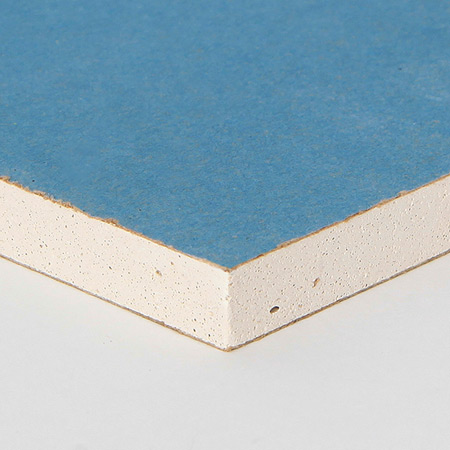
Acoustic Plasterboard 15mm Full & Half Size
£10.50 – £19.95 ex. VAT
-
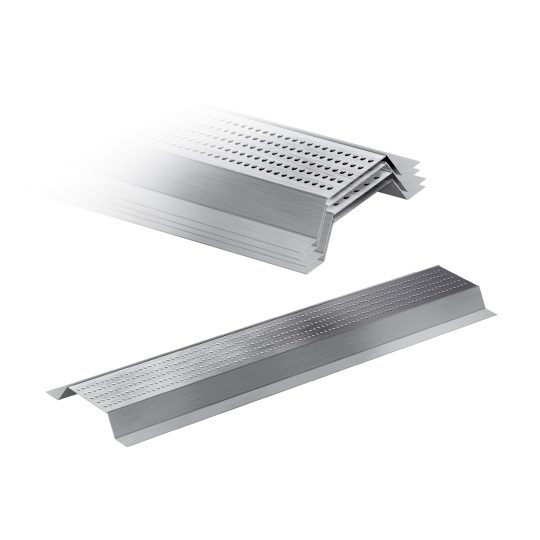
AcoustiChannel 1800mm Furring Channel
£4.45 ex. VAT
-

AC50 Acoustic Sealant 380ml & 900ml
£3.95 – £7.25 ex. VAT
-

Noisestop 1 Plus Panel 18mm x 1200mm x 1200mm
£29.95 ex. VAT
Fitting AcoustiClip Direct to Wall System
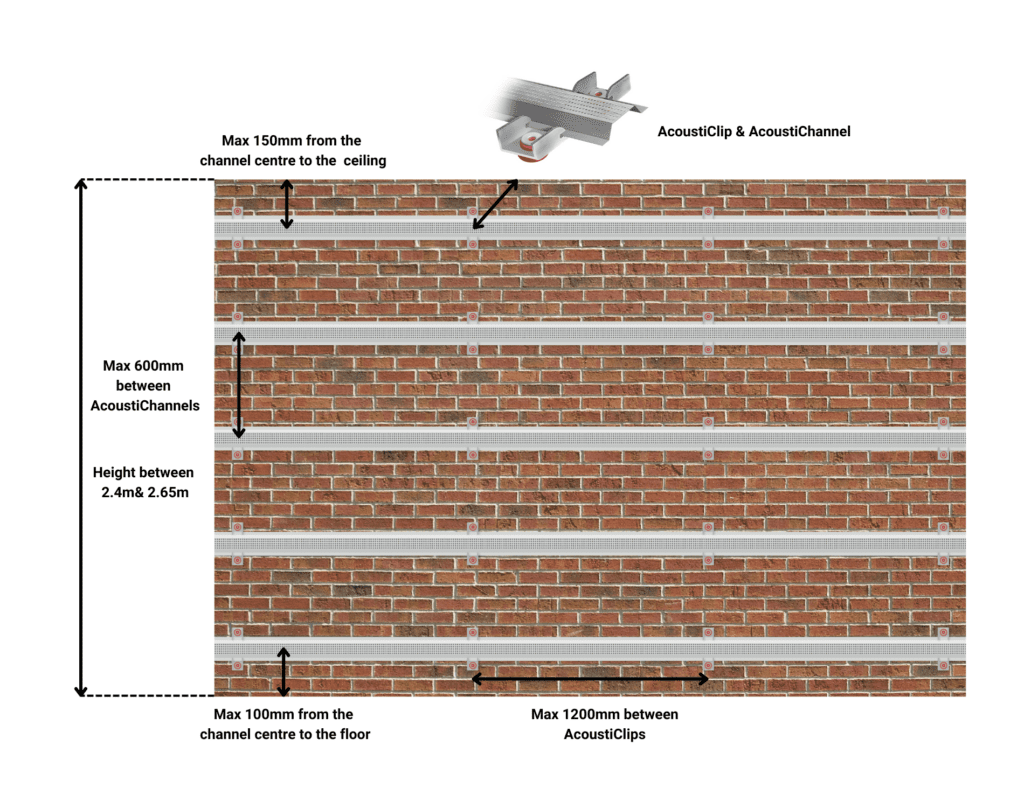
- Screw the AcoustiClip directly onto the masonry or brick wall. Space the clips vertically at 600mm centres with a row of clips 100mm from the floor and 150mm from the ceiling. The clips should be no more than 1200mm apart horizontally (see the diagram below)
- Clip the AcoustiChannel into the clips, join the lengths of the channel by overlapping them by 100mm and screwing them together with self-tapping or drywall screws
- Infill the cavity with 25mm DFM acoustic insulation between the AcoustiChannel
- Screw the 15mm Soundblock plasterboard into the AcoustiChannel and then the Noisestop 1 Plus Panel over the top. Leave a 2-3mm gap around the perimeter of the wall to reduce noise transfer into the adjoining walls, ceiling and floor
- Acoustic sealant is applied between each panel and to the perimeter of the wall to ensure an airtight seal
- Finish the soundproof system as you would standard plasterboard. The panels are supplied with tapered edges, which allows for dry lining or plastering
- If you are reinstating electrical outlets, use acoustic putty pads inside the back boxes
NOTE ON FLANKING SOUND – Before installing any soundproofing system, consider any flanking paths for the sound. These are areas around the wall where sound will bypass the soundproofing and enter the room. The most common flanking course for sounds would be above or below the wall, which would be through a floor or ceiling cavity. If these areas are constructed from timber joists, you should consider filling the void above or below the area with DFM acoustic insulation to stop potential flanking noise.

Spacing AcoustiClips
Horizontally – Fix an AcoustiClip at the start and the end of each row. Acousticlips can be spaced at a maximum of 1200mm centres across the wall.
Vertically – AcoustiClips are fitted a maximum of 600mm up the wall. 100mm from the bottom and 150mm from the top of the wall.
Alternative Solutions
Alternative solutions that will offer different levels of soundproofing or another kind of installation method that might suit your requirements.
-
AcoustiClip Solid Wall Stud System Soundproof Kit
£310.56 – £1,033.01 ex. VAT
-
Wall System 2 Party Wall 43mm Soundproofing Kit
£170.72 – £512.15 ex. VAT
-

Noisestop Silent Panel 30mm x 1200mm x 1200mm
£59.95 ex. VAT
Essential Soundproofing Rules
Achieve the very best wall soundproofing results by following these essential soundproofing rules. These are adding mass/density to the area, isolating or decoupling the new structure from the existing and increasing sound absorption. These rules of soundproofing apply whether you are attempting to soundproof a stud wall or solid brick walls. Increasing mass makes it harder for the sound to transfer. The variety of high-mass products will block a great range of sounds. Decoupling the structure will reduce sound as it vibrates through a solid structure. Increasing absorption allows the wall to absorb the sound energy. These soundproofing principles are built into the design and specification of our wall soundproofing products and systems.
Mass/Density
Adding mass/density to an area blocks sound transfer. Using materials with different densities will reduce a greater range of frequencies.
Isolation
Creating isolation or decoupling the existing structure from the new enhances sound insulation.
Absorption
Increase sound absorption with materials that absorb sound waves and reduce the energy that carries the sound.
Soundproofing Walls FAQs
The best way to soundproof a wall is to block the sound transmission from one room to another. The most effective methods to soundproof walls are:
Add mass: increasing the density of the wall by adding mass. Use mass loaded vinyl, soundproof plasterboards and high density acoustic insulation to enhance the sound insulation.
Decoupling: By isolating the existing structure from the new wall, you will reduce the vibration sound that transmits through the wall. The AcoustiClip system is the best method of decoupling walls and ceilings.
Sound absorption: The walls ability to absorb sound waves is crucial in noise reduction. Product combinations work best for overall sound absorption or sound dampening. Acoustic insulation and soundproof membranes will dampen and absorb sound waves as they come into contact with them.
All our solutions are designed to incorporate as many of these as possible.
The best way to soundproof party walls and internal stud walls is to use a soundproof system that combines materials to offer the highest level of noise reduction.
We recommend the AcosutClip System to soundproof any wall. The systems incorporate all the soundproofing products to ensure exceptional noise reduction against airborne and vibration noise. Provided with the systems are the AcoustiClip, AcoustiChannel, acoustic insulation, Noisestop 1+ Panels, acoustic plasterboard 15mm and acoustic sealants.
We have the AcoustiClip Direct System, our most popular solution for party walls. If you require soundproofing for excessively noisy neighbours or studios, we have the AcoustiClip Solid Wall System. The AcoustiClip Stud Wall System will restore privacy within your home for internal stud partitions.
Our slimmest wall soundproofing solutions are the Noisestop Sielnt Panel or Wall System 2.
Silent Panel 30mm: The Noisestop Silent offers the best acoustic performance of wall soundproofing panels. At only 30mm thick, it can be used to soundproof walls in the tightest of spaces.
Wall System 2: Our thinnest solution combining soundproofing materials is Wall System 2. If you have limited space and require maximum sound insulation this is our recommended solution.
All our products and systems for walls and ceilings are supplied with acoustic plasterboard as the final finish. This type of plasterboard can be finished in the same way as standard plasterboards.
The acoustic plasterboards have a tapered edge which allows for taping and jointing if you want to avoid having them plastered.
Yes, you can reinstate electrical outlets into any of our soundproofing solutions.
We can provide acoustic putty pads for the electrical back boxes for single and double sockets.
You can use your wall as any other wall when attaching lightweight items.
For heavier objects like wall-mounted TVs, you must secure them to the structural wall behind the soundproofing. Direct sound transmission through these fixings would typically be minimised due to the mass and absorption of the soundproof panels.