Acoustic Panel 22.5mm – Soundproofing Panels
£43.95 ex. VAT
In stock, ready to ship
Estimated Delivery: 3 - 5 Days
(21st Feb - 23rd Feb)
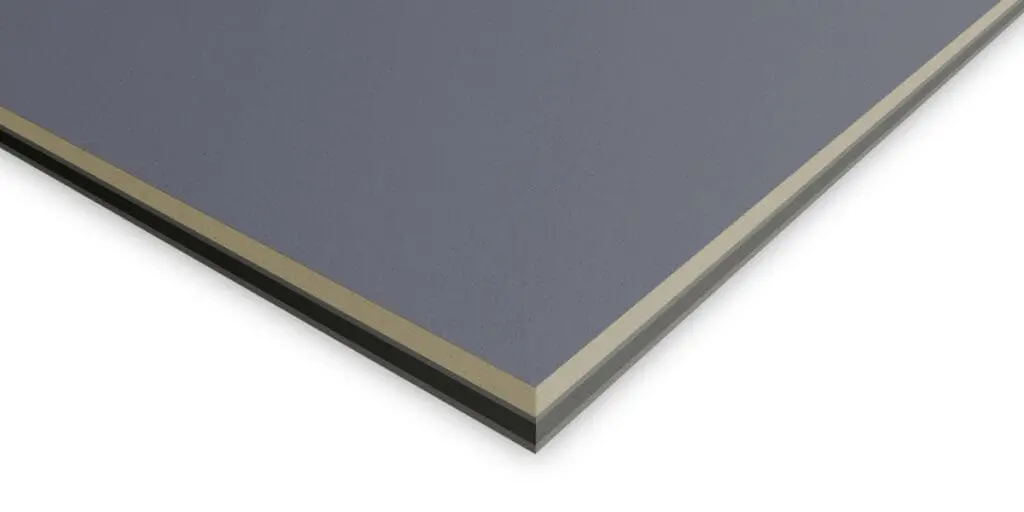
Noisestop Acoustic Panel is our slimmest standalone wall soundproofing panel, designed to reduce noise from neighbours or enhance room privacy. The 22.5mm Noisestop Acoustic Panel offers up to 49dB of airborne noise reduction, making it ideal for insulating party walls and stud walls. Its four-layered construction optimises sound insulation without taking up extra space. Noisestop Acoustic Panel is one of the slimmest direct-to-wall solutions specifically made for soundproofing against neighbour noise and internal stud wall noise reduction. The panel provides mass and sound absorption when applied to walls, effectively decreasing airborne sound transmission. Restore peace and quiet in your home with our thinnest direct-to-wall soundproofing board.
- Board size: 22.5mm x 1200mm x 1200mm (1.44sqm)
- Soundproofing: Party walls & stud walls
- Noise reduction: 49dB
- Fitting: Direct to wall, stud frame, furring channels
- Soundproof: Airborne noise – mass & sound damping
Acoustic Soundproof Panels for Walls – for Maximum Noise Reduction
Acoustic Soundproof Panels for Walls – Achieving Maximum Noise Reduction in Minimal Space. Slimline Soundproofing for Party Walls and Stud Walls.
The Noisestop Acoustic Soundproof Panel is a high-performance, space-efficient solution for soundproofing walls in homes and offices. Just 22.5mm thick, it is perfect for party walls and stud walls where space is limited but effective airborne noise reduction is crucial.
Why Choose Noisestop Acoustic Soundproof Panels?
- Ultra-slim 22.5mm profile: Perfect for tight spaces without compromising on noise control
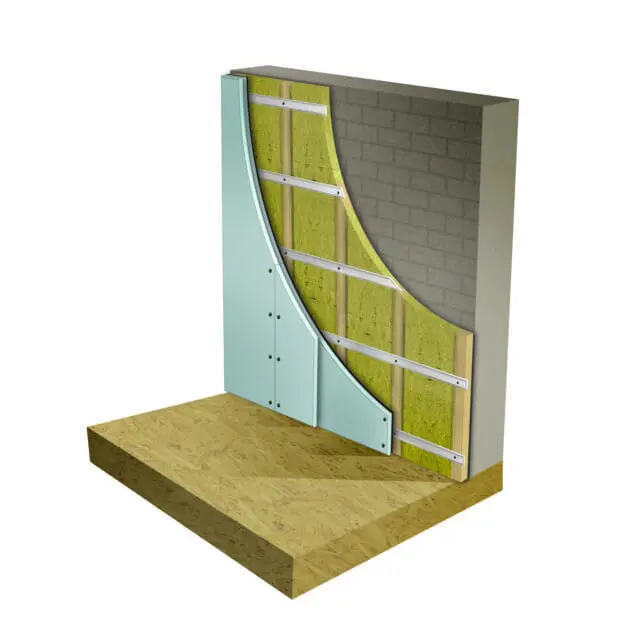
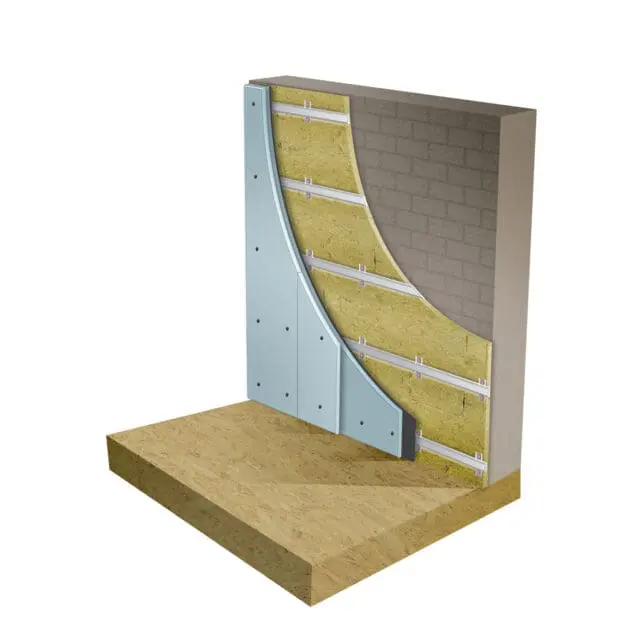
- Direct-to-wall installation: No additional framing needed
- Reduces airborne noise: Blocks conversation, TV, and general household noise
- Versatile use: Effective on solid party walls or within stud wall builds
- Easy DIY installation: Quick to cut, fit, and finish
- Soundproofing: Stud walls and party walls
- Noise type: Airborne (TV, radio, conversation)
- Noise reduction: Up to 49dB
- Size: 1200mm x 1200mm (1.44sqm) tapered edge
- Installation: DIY friendly
- Fixing: Hammer fixings or drywall screws
- Finish: Plaster, tape and fill, paint or wallpaper
Whether you’re soundproofing a bedroom, home office, or living space, Noisestop’s acoustic wall panels offer a discreet yet powerful solution. Create quieter, more comfortable interiors without bulky builds or complex systems.
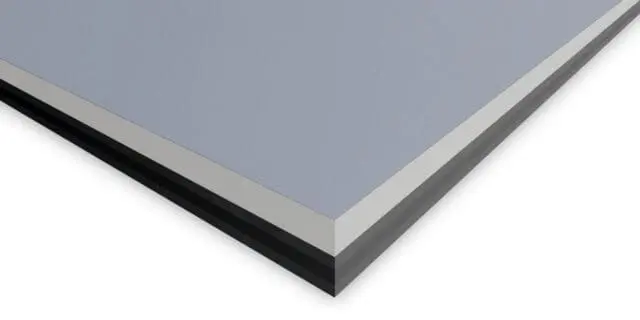
Noisestop Acoustic Panel 22.5mm soundproof board

- Acoustic Plasterboard 12.5mm – Heavier than standard plasterboard, which adds density to the area. The plasterboard is finished in the same way as standard plasterboard.
- 2.5mm Mass-loaded vinyl 5kg/m² – High mass barrier layer for sound absorption.
- Closed cell foam 5mm – Acoustic grade foam to dampen and absorb vibration sound.
- 2.5mm Mass-loaded vinyl 5kg/m² – High mass barrier layer for sound absorption.
- Thickness: 22.5mm
- Size: 1200mm x 1200mm (1.44sqm)
- Weight: 29 kg per sheet
- Fire: Thirty minutes
Thermal Resistance R:
- Acoustic plasterboard 12.5 mm = 0.050 m2 K/W
- Closed Cell Foam: 0.23 m² K/W
- Mass-loaded vinyl 0.14 m² K/W
Thermal Conductivity λR:
- Acoustic plasterboard 0.25 W/mK to BS EN 12524:2000
- Closed Cell Foam: 0.039 W/mK
- Mass-loaded vinyl 0.037 W/mK
Reaction to Fire
- Acoustic plasterboard 12.5mm Euroclass A2-s1, d0
- Closed Cell Foam: FMVSS 302
- Mass-loaded vinyl 10kg EN 13501-1 B-s2,d0 (2)
Brick Wall
Untreated brick wall DnT,w
Single skin 100mm brick wall 38db
Treated brick wall DnT,w
Noisestop Acoustic Panel applied 49dB
Improvement DnT,w
Noise reduction with treatment 11dB
Stud Wall
Untreated stud wall DnT,w
Untreated 100mm stud wall with acoustic insulation and 12.5mm plasterboard on either side 36dB
Treated stud wall DnT,w
Noisestop Acoustic Panel applied to one side 48dB
Improvement DnT,w
Noise reduction with treatment 12dB
Note: Every 10 decibels(dB) reduction in noise level is roughly perceived as a halving of the perceived loudness. So, for instance, if you have a sound that measures 70dB and it decreases to 60dB, it would sound about half as loud to the human ear. Decibels explained.
NOTE: When the panel is installed, the plasterboard layer faces the room, and the acoustic membrane on the back of the board adheres to the wall.
- Ensure the surface you are applying the panels to is in good condition, and make good any remedial work to the existing wall to ensure it is flat and secure before you attach the panels.
- Remove skirting boards and coving and extend electrical outlets; these can be reinstated once the work is complete.
- Begin the installation by installing the bottom row of boards. Leave a 2-3mm gap between the floor and the boards using 2-3mm packers or an equivalent to support the panels.
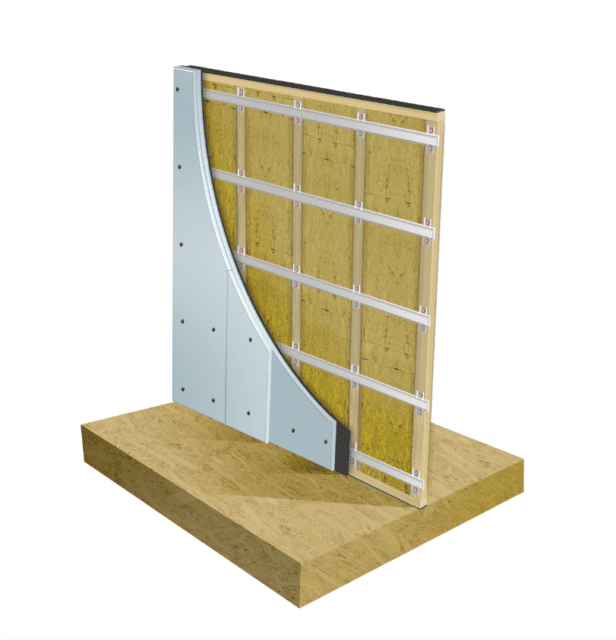
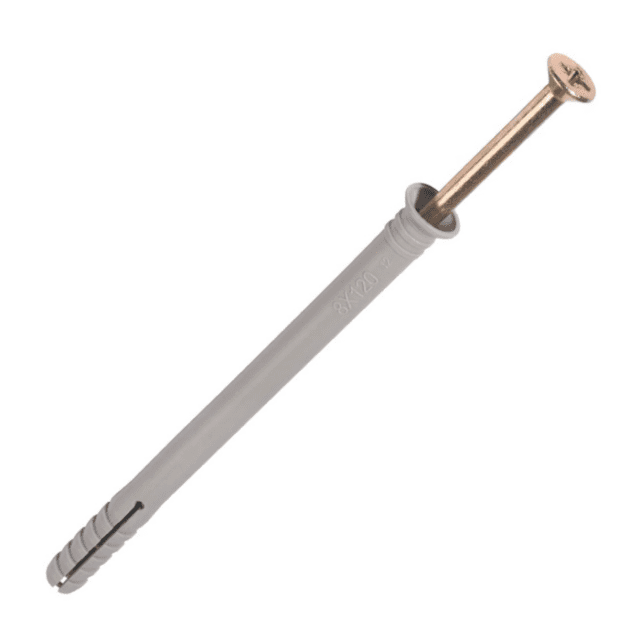
- Apply the Noisestop Acoustic Panel to the walls using Hammer Fixings. Fix the panels using nine Hammer fixings per board. These fixings are suitable for most solid walls. Always check before the installation to ensure suitability. Screw the panels onto timber or metal studs with drywall screws.
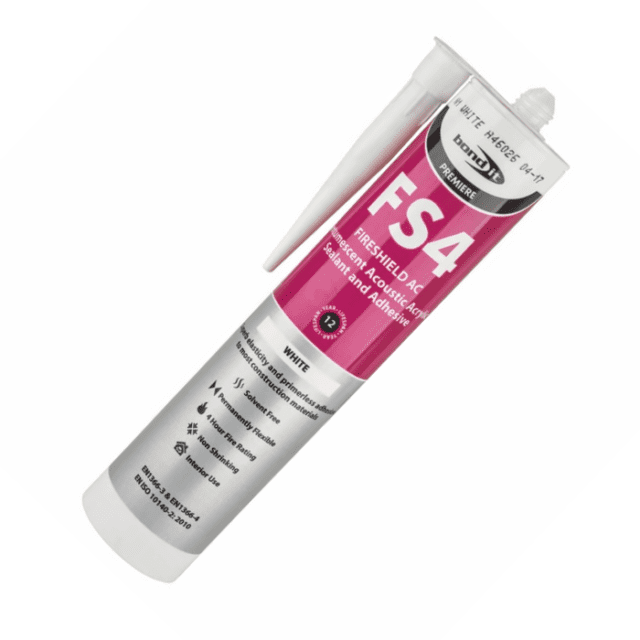
- Use acoustic sealant between each panel as you butt them together.
- Leave a 2-3mm gap around the wall’s perimeter to reduce flanking sound transmission, and apply an acoustic sealant to fill the gap once the installation is complete.
- Cut the panels using a hand saw or a circular saw.
- Skim plaster or tape and fill the tapered edges.
- Upon completion of the soundproofing, reinstate the skirting and coving.
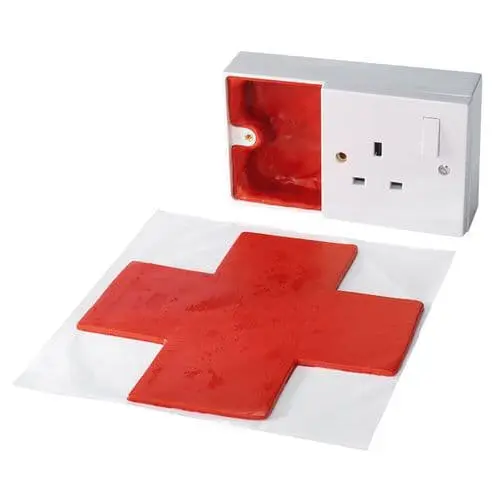
- When reinstating electrical outlets, use acoustic putty pads inside recessed back boxes.
Finishing soundproof panels
- Taping and jointing -Apply joint tape (paper or mesh) over all joints. Use jointing compound to fill and feather out over the tape.
- Skim Plastering – Apply a thin coat of finish plaster (usually 2–3 mm thick) over the entire plasterboard surface.
- Plasterboard Direct Decoration (No Skim) – Tape and joint as usual. Sand and apply a sealer or mist coat. Paint or wallpaper directly onto the plasterboard.
Delivering soundproofing throughout the UK
Due to the nature of most of the materials we supply, orders are typically delivered on pallets.
All orders will be carefully wrapped, protected, and securely palletised to ensure they arrive in the best possible condition. Goods will be delivered as near to the property as possible. The drivers will not be able to carry orders into your property.
Deliveries are made between 8:00 a.m. and 6:00 p.m. Monday to Friday.
We charge a flat delivery rate of £60 plus VAT for most palletised deliveries. We do not charge per pallet, regardless of the number of pallets used to deliver your order.
Certain postcodes will incur a higher delivery charge than our standard rate, including those in Northern Ireland, Northern Scotland, and the Islands off the mainland.
Orders placed for items weighing less than 20kg will be sent via courier for £20 plus VAT.
We have a high stock level and typically deliver orders in approximately three to four working days.
If you would like to speak with us about your delivery, please call 01423 339163. Alternatively, you can send us your delivery enquiry.
Please review our full delivery terms for more information.
We don’t currently deliver outside the UK.
Alternative solutions
Alternative solutions that offer different levels of soundproofing or another installation method that might suit your requirements.
FAQS
Soundproofing reduces the transmission of sound waves through walls. This is usually achieved by adding materials that either block or absorb sound. The main aim is to prevent sound from entering or leaving a room.
A soundproofing wall solution combines one or more of these elements to insulate the wall:
Add mass: Increasing mass or density in walls makes it more difficult for sound to pass through. High-mass soundproofing products include soundproof plasterboard, acoustic insulation, and soundproof membranes.
Improve sound absorption: Enhancing a wall’s sound-absorbing capacity helps decrease airborne noise. Materials such as acoustic insulation and membranes reduce resonance and vibration, thereby improving overall soundproofing.
Decoupling: Isolating or decoupling the existing wall diminishes direct sound transfer. Since sound travels through solid structures via vibration, using an independent wall or sound-isolation clips can lower sound transmission between structures.
- Mass-loaded vinyl (MLV): A dense, flexible material that blocks sound.
- Soundproof panels: High-density soundproofing boards that block sound.
- Acoustic insulation slabs: Help absorb sound within wall cavities.
- Decoupling clips: Sound-isolation clips that decouple the existing wall from the new wall, reducing vibration noise.
- Soundproof plasterboard: Denser than standard plasterboard, making it more effective at blocking airborne sound.
Yes! You can add materials like soundproof panels or acoustic wall systems directly to existing walls. These solutions don’t require major construction but can significantly reduce noise. By applying these types of solutions to your walls, you will minimise space loss in the room.
Recommended direct-to-wall soundproofing solutions, which don’t require removing the existing wall:
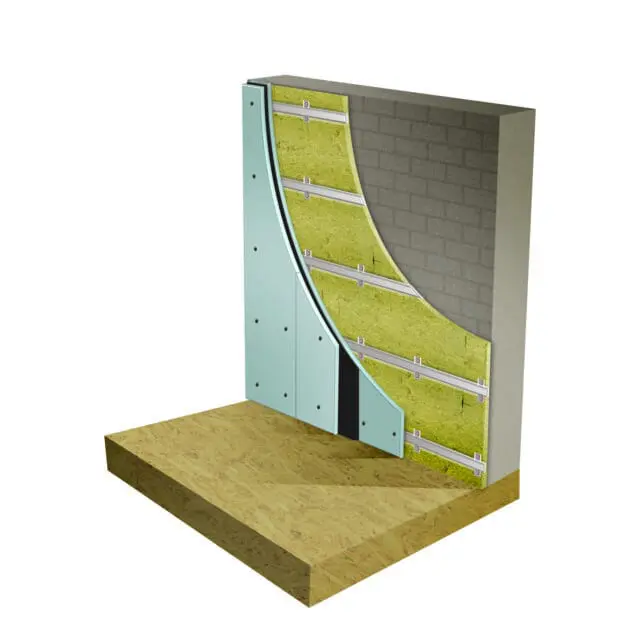
Silent Panel: Unmatched soundproofing performance of any soundproof board. Soundproof walls without compromising valuable living space with Noisestop Silent Panel.
AcoustiClip Direct System: The best direct-to-party wall system. The AcoustiClip Direct System features isolation clips, acoustic insulation, and soundproof boards for maximum protection against noisy neighbours.
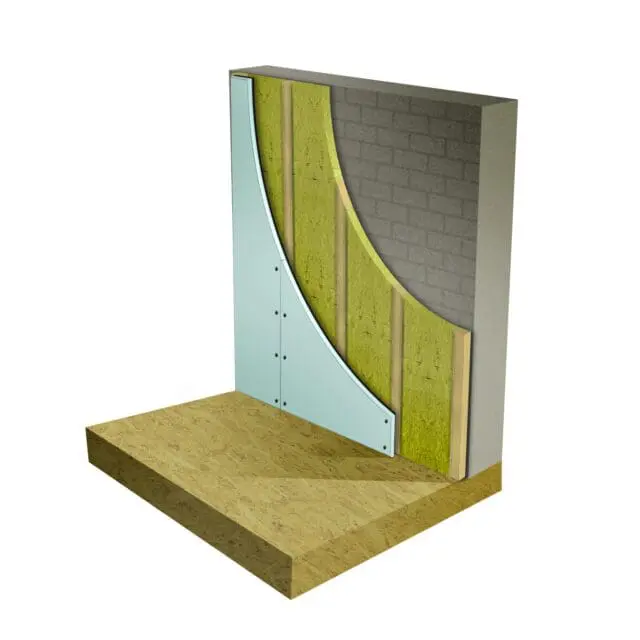
Noisestop System 2: The thinnest of the party wall soundproofing systems, Noisestop System 2 combines acoustic insulation and soundproof panels.
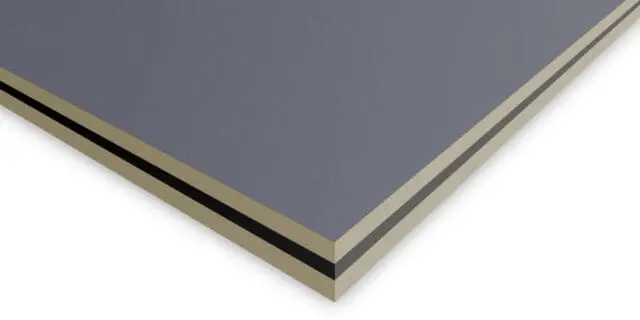
Acoustic Panel: Slimmest direct-to-wall soundproofing panel. The Noisestop Acoustic Panel is ideal for soundproofing rooms with minimal space loss.
Yes! Low-frequency noises, such as bass or vibrations, can be more difficult to block. To reduce this, you need to use a technique called decoupling, which separates layers of the wall to prevent sound vibrations from travelling through it.
Decoupling isolation clips applied directly to the wall or a stud frame will reduce vibrations travelling through the wall’s structure. If space allows in the room, an independent soundproof wall will reduce sound transfer between walls.
The best wall soundproofing solutions for reducing these noises are the AcoustiClip Direct System or the AcoustiClip Stud System, as they minimise vibration transmission through walls.
Soundproofing can greatly reduce noise, but it’s unlikely to block 100% of sound. Low bass frequencies or very loud noises may still pass through, but the overall noise reduction can be significant. To maximise the benefits of your wall soundproofing, consider other areas of the building that might be weak spots and allow sound to pass. See our flanking noise answer below.
Common flanking noise paths.
- Ceilings and floors, joists with empty cavities
- Side walls that connect to the soundproofed wall
- Studs and framing inside the structure
- Doors and windows
- Electrical outlets, vents, and gaps
Find out more about flanking noise and how to stop it.
Got a question?
Send us a message, and we’ll respond as soon as possible. Alternatively, call 01423 339163 to speak with an adviser.