Soundproofing Walls FAQs
Soundproof Walls FAQs – Everything you need to know about soundproofing walls
The best way to soundproof a wall is to add mass/density, isolate it, and improve its ability to absorb sound and vibration.
- Add mass to the wall to block airborne sound transfer
- Decouple the wall to stop vibrations from transmitting noise through the wall’s structure
- Increase sound absorption with product combinations to provide the best soundproofing levels
- Different layers and techniques will ensure you effectively soundproof your wall
Product combinations work best for soundproofing. By combining these materials, you will achieve the most effective sound insulation for your walls.
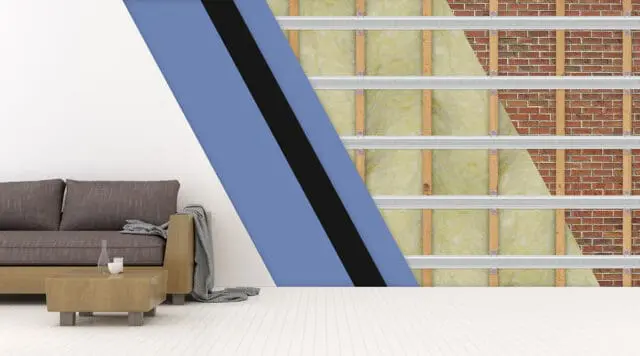
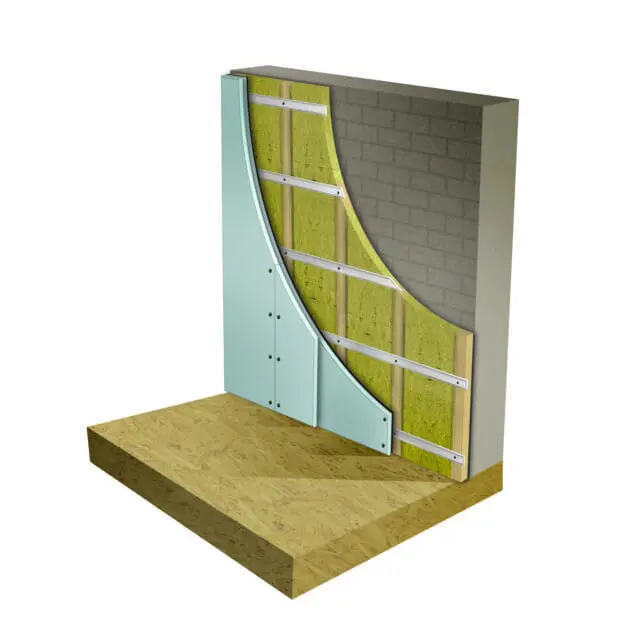
Acoustic insulation: Widely used inside stud walls and cavities to block and absorb airborne noise. Insulate cavities with high-density sound-insulation slabs, which convert sound waves into heat, dissipating the noise. The best soundproofing systems should incorporate acoustic insulation as part of their design.
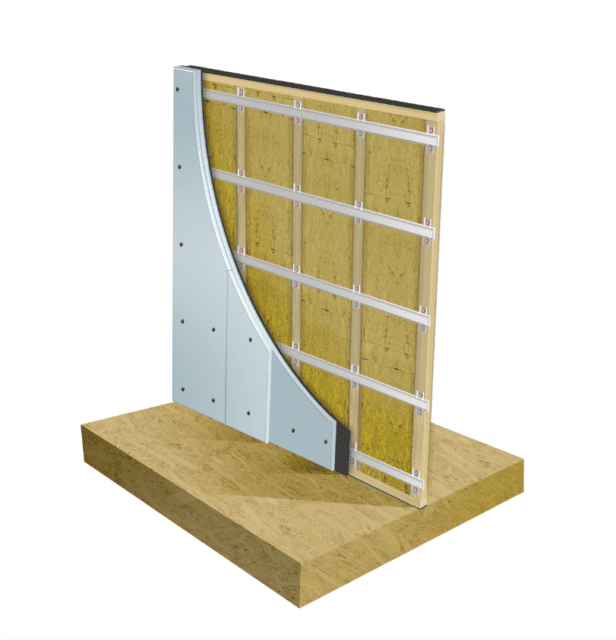
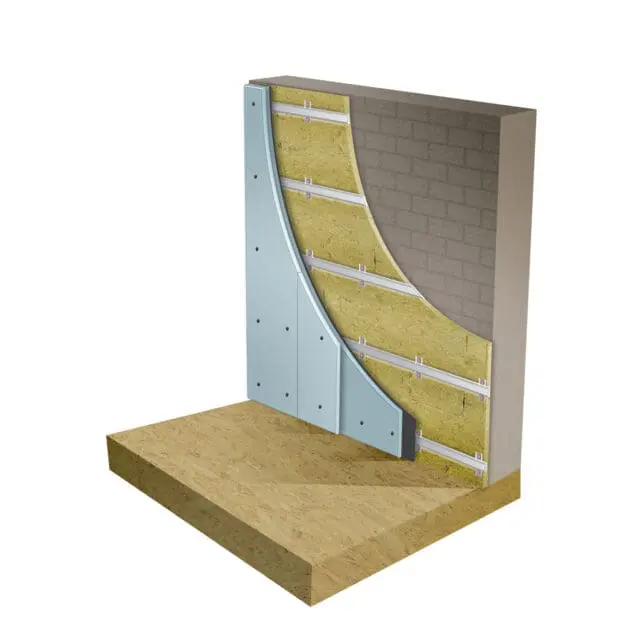
Decoupling clips: Creating separation between the existing wall and the new acoustic wall is very important, as it reduces contact, preventing sound from transmitting through the wall’s structure via vibration. Sound isolation clips like the AcoustiClip act as a shock absorber, damping vibrations before they pass through the wall.
Acoustic plasterboard: Denser than standard plasterboard, it provides greater mass, increasing the wall’s ability to block airborne sound.
Soundproof panels: Specialist panels can be applied directly to a wall to help reduce airborne noise. Products like the Silent Panel and the Acoustic Panel are standalone soundproofing solutions for walls that require sound insulation with minimal space loss. Specialist soundproof boards are also used in soundproof systems when you are building an acoustic wall. The Noisestop 1 Plus Panel combines acoustic plasterboard and mass-loaded vinyl, creating a very high-density sound-absorption panel that is perfect for any soundproofing solution.
Acoustic sealants: Ensure your wall maintains its acoustic integrity by sealing the edges of boards and filling small gaps and cracks with acoustic sealant.
Acoustic putty pads: Soundproof electrical outlets by installing acoustic putty pads into the back boxes, allowing you to recess the outlets without compromising soundproofing.
Noise is categorised into two areas, airborne and impact.
Airborne noise is any sound transmitted through the air. Examples of airborne sounds are conversation, music and TV noise.
Impact noise is sound that transmits through direct contact with the structure of the building. Examples of impact noise are slamming doors and dropping objects on the floor.
Noisy neighbour questions are definitely among the most frequently asked. Below are some of the most popular soundproofing solutions you can apply to the party wall to stop unwanted noise from a neighbouring property. These solutions will block sound transfer both ways if you don’t want your neighbour to hear you.
Soundproof panels
The slimmest of the wall soundproofing solutions, soundproof panels, are applied directly to the wall and will block low-medium airborne noise levels:
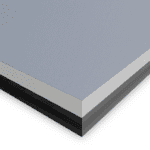
Noisestop Silent Panel – Highest performing soundproof panel:
Noisestop Acoustic Panel – Slimmest soundproof panel
Soundproofing systems
Offering the highest levels of soundproofing
AcoustiClip Direct System – Best performing direct-to-wall system
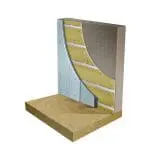
AcoustiClip independent System – Highest performing party wall solution
In most cases, you do not need to soundproof the chimney breast, as it has additional high-density bricks compared to the rest of the wall. The areas that need soundproofing are the alcoves to the side of the chimney breast.
Yes, it is important to soundproof the whole wall, as any gaps could make the soundproofing ineffective.
Areas such as coving and skirting would need to be removed before fitting the soundproofing. Once the soundproofing has been installed, coving and skirting can be replaced.
You can hang pictures and other wall art on soundproof walls.
Yes, you can, but it is important to note that how they are fixed depends on the type of solution you are using.
If you are using soundproof panels, you should secure the bracket into the structural wall behind the panel, not just into the soundproof board. The membranes on the back of the boards will reduce sound transmission through the fixings.
Attaching a TV bracket to a complete acoustic wall system like the AcoustiClip systems would require additional clips and channels to support the bracket. These clips and channel would be positioned where you are mounting the TV bracket.
Most of the solutions we supply can be installed by homeowners with a good level of DIY skills.
If you are unsure whether you can carry out the work, we recommend local tradespeople, as they will have the necessary skills to install it.
The amount of space you will lose to soundproofing will depend on the amount of noise you are trying to stop.
Soundproofing a wall to stop lower-level airborne noise can be achieved with soundproof panels like the Noisestop Silent Panel, which is only 30mm thick.
Soundproof systems which offer higher levels of soundproofing will be thicker than the panels. A direct-to-wall system like the AcoustiClip Direct System is one of the slimmest soundproofing systems at only 80mm thick. If you are looking for home-studio-level soundproofing, you could be looking at anything around 150mm thick. Our AcoustiClip Independent System is 8cm thick, plus the additional stud frame, which can vary between 50mm and 100mm if required.
Wall soundproofing thicknesses will vary, but anything between 30mm and 150mm is standard for sound-insulating most walls.
Soundproofing solutions will vary in cost.
As an estimate, soundproof panels would cost approximately £50 per sqm. For a 10 sqm wall, this would be £500. Our Noisestop Silent Panels are approximately £49.95 per sqm, including VAT.
For more advanced systems you could pay around £60sqm, so for a 10sqm wall this would be £600. Our AcoustiClip Direct System is £60 per sqm, including VAT.
Hopefully, you have found answers to your wall soundproofing questions. Take a look at our wall soundproofing products page and begin your wall soundproofing journey. If you do need more help, send us an enquiry or call 01423 339163 and speak with one of our helpful team members.
Some popular wall soundproofing products
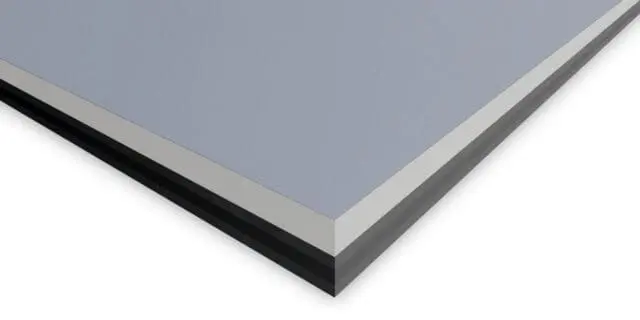
Silent Panel 30mm - Soundproofing Panels
£59.95 exc VAT.
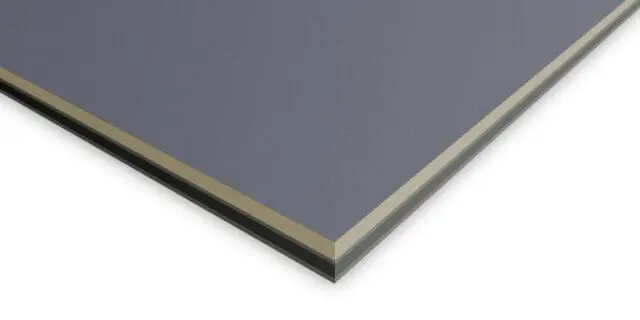
Acoustic Panel 22.5mm - Soundproofing Panels
£43.95 exc VAT.
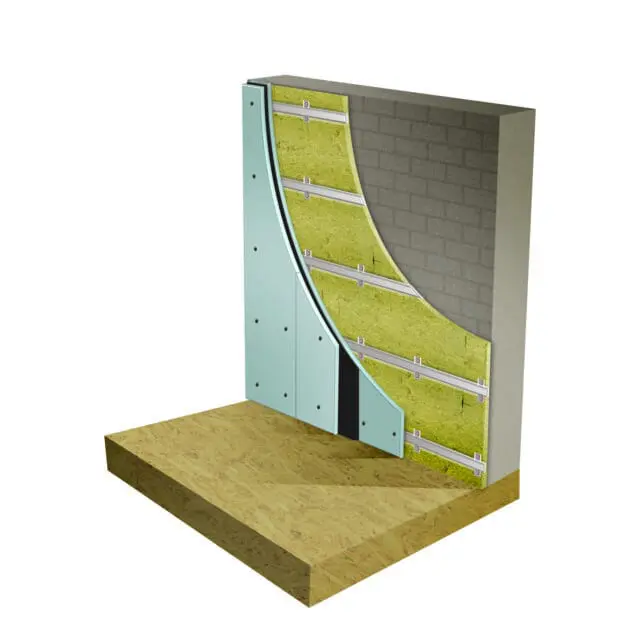
AcoustiClip Party Wall Kit - Direct to Wall
£316.32 exc VAT.
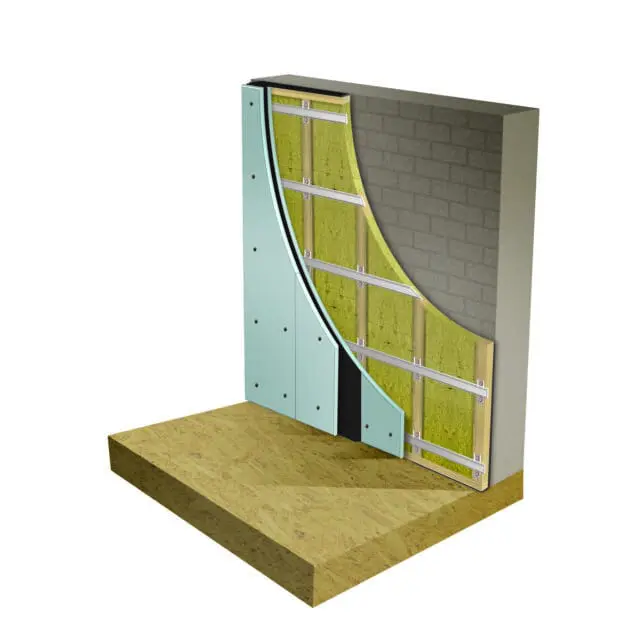
AcoustiClip Solid Wall System - Independent Wall Kit
£310.56 exc VAT.
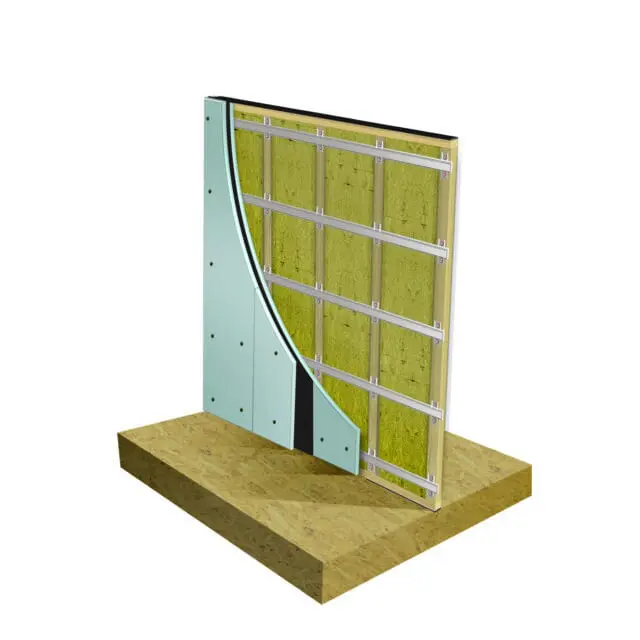
AcoustiClip Stud Wall System - Stud Wall Kit
£310.56 exc VAT.
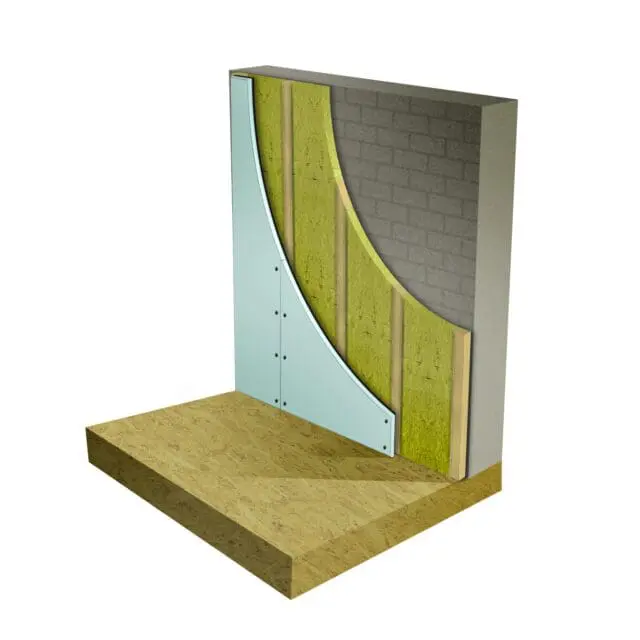
Noisestop System 2 - Slim Party Wall Kit
£172.51 exc VAT.