How to Soundproof a Party Wall
How to Soundproof a Party Wall

Soundproof party walls against noisy neighbours
What is a party wall?
Why noise travels through party walls
Effective party wall soundproofing must target both airborne and impact noise for the best results
Tips to effectively soundproof your party wall
Step 1: Seal all gaps and cracks in the party wall
How to seal a party wall
Carry out any remedial work required to ensure the existing party wall is sealed before installing the soundproofing.
- Cracks in plaster
- Gaps along skirting boards
- Edges where the wall meets the ceiling
- Fit acoustic putty pads behind electrical sockets and switches
Why this matters
Step 2: Add mass to reduce sound transmission
Best materials for adding mass
Soundproof plasterboard
- Denser than standard plasterboard
- Often installed in double layers
- Reduces airborne noise significantly
Mass-loaded vinyl (MLV)
- Thin but extremely heavy
- Installed behind plasterboard
- Excellent for blocking low-frequency noise such as bass
Step 3: Decouple the wall to stop vibration
Most effective decoupling methods
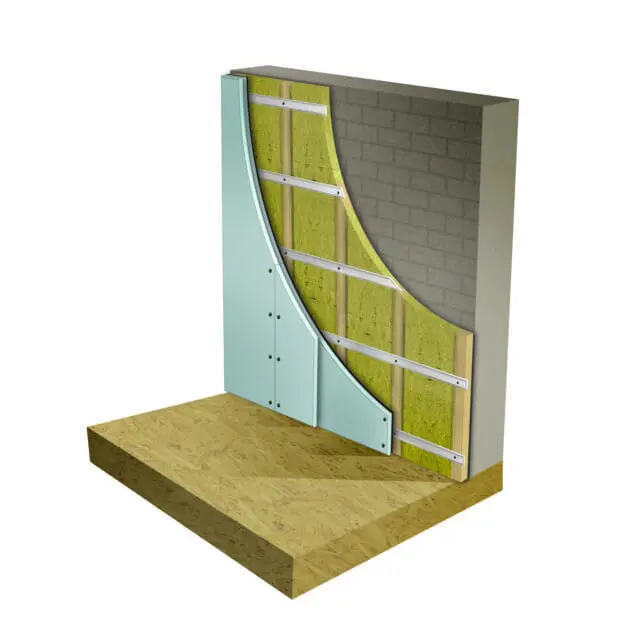
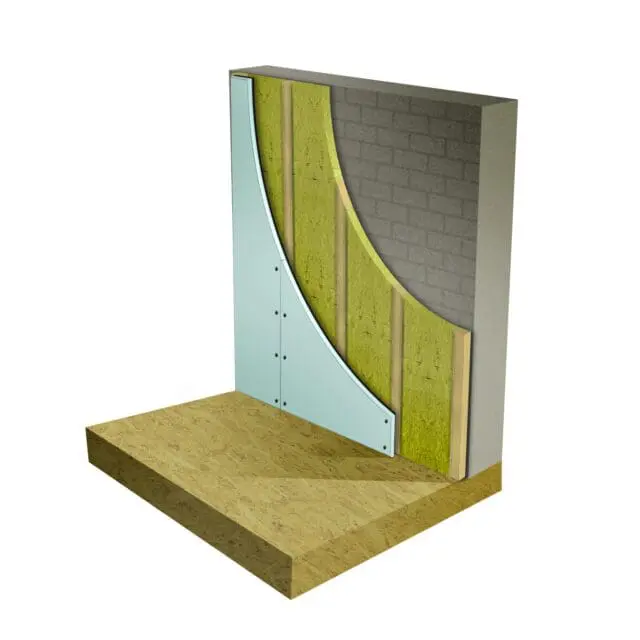
Independent stud wall
- Built slightly away from the existing party wall
- Filled with acoustic mineral wool
- Finished with double plasterboard layers
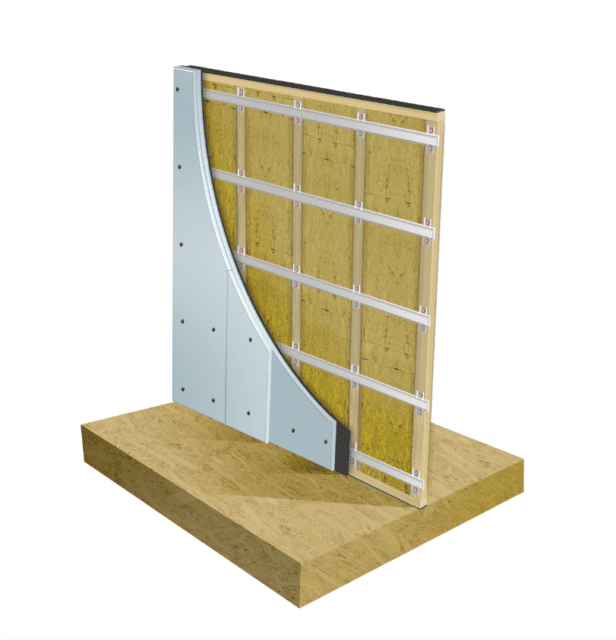
Resilient bars or isolation clips
- Reduce vibration transfer
- Require less space than a full stud wall
- Ideal for rooms with limited space
Step 4: Install acoustic insulation
Best insulation for party walls
- Acoustic mineral wool
- High-density DFM acoustic insulation
Benefits
- Absorbs sound energy
- Reduces noise from amplifying inside empty cavities within wall systems
- Improves the thermal properties of the room
- Works in combination with mass and decoupling
Step 5: Prevent flanking noise around the wall
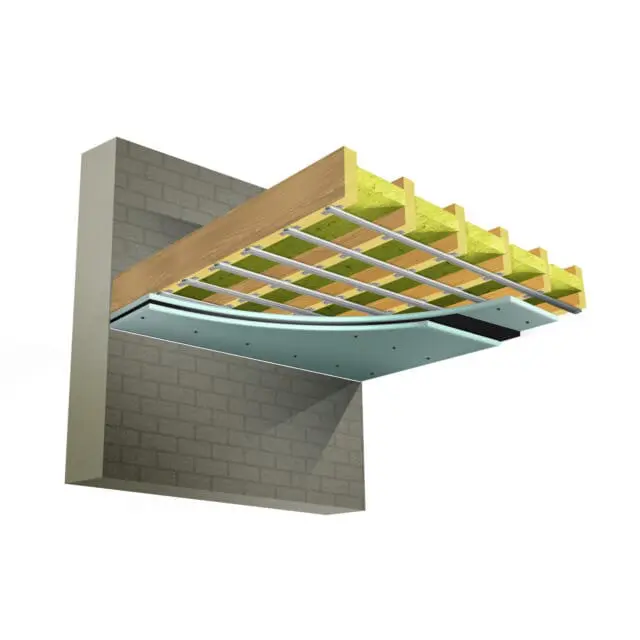
- Adjacent ceilings and floors
- Skirting boards
- Wall junctions
What does NOT work for soundproofing a party wall
- ❌ Acoustic foam panels
- ❌ Egg cartons
- ❌ Thin decorative tiles
Essential products for soundproofing party walls
- Acoustic insulation: Absorbs sound energy inside wall cavities and prevents resonance
- Soundproof plasterboard: High-density boards that block airborne noise
- Isolation clips: Decouple the wall from the structure, reducing vibration transfer
- Mass Loaded Vinyl (MLV): A flexible, dense material that blocks sound effectively
- Acoustic sealants: Seal gaps and cracks around joints, outlets, and edges to prevent sound leaks
- Acoustic putty pads: Soundproof electrical outlets using acoustic-rated and intumescent inserts inside electrical back boxes
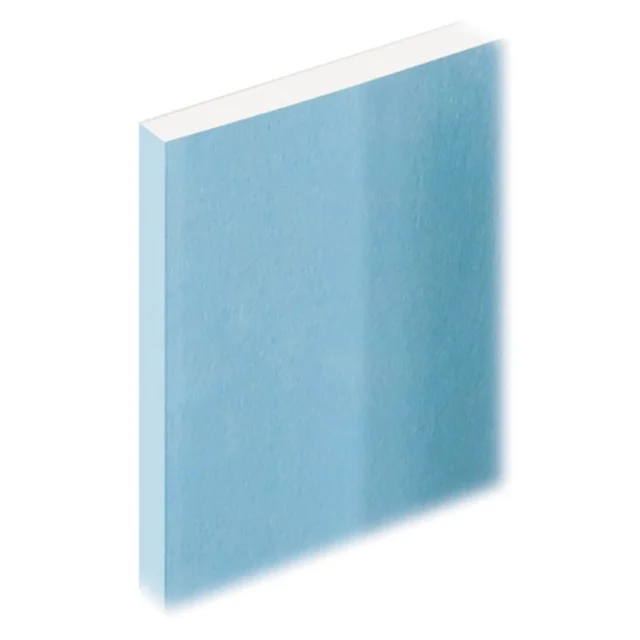
Acoustic Plasterboard 12.5mm - 15mm Full & Half Size
£10.5 exc VAT.
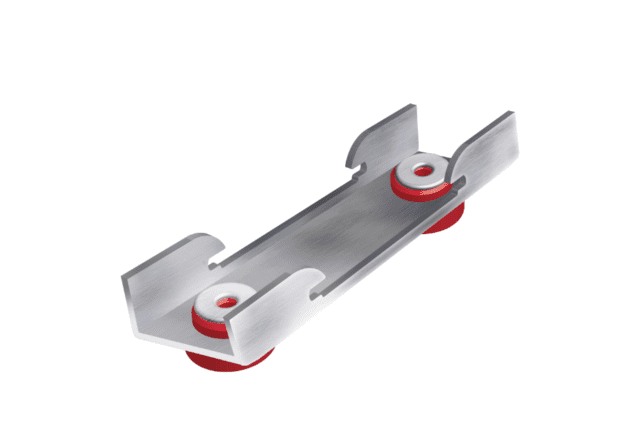
AcoustiClip | Sound Isolation Clip
£4.95 exc VAT.
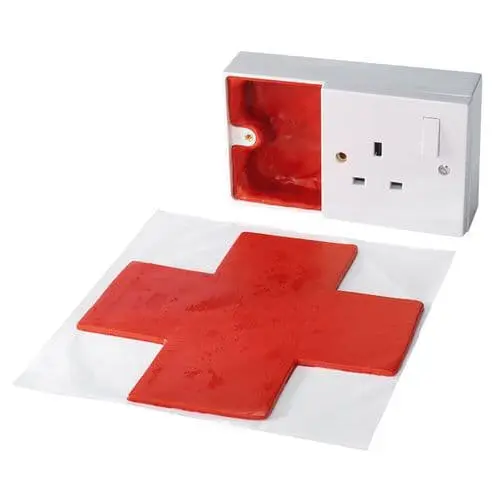
Acoustic Putty Pads Single & Double Sockets
£4.35 exc VAT.
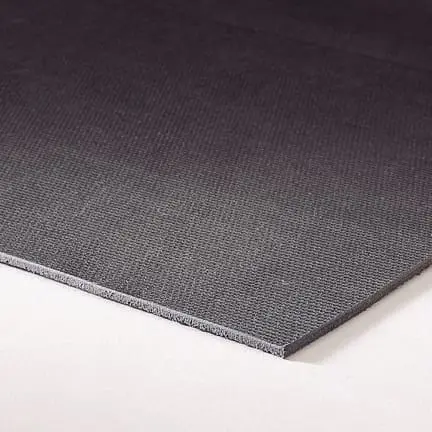
Mass Loaded Vinyl Barrier Shield - 5kg & 10kg 1.2m x 1.2m
£10.05 exc VAT.
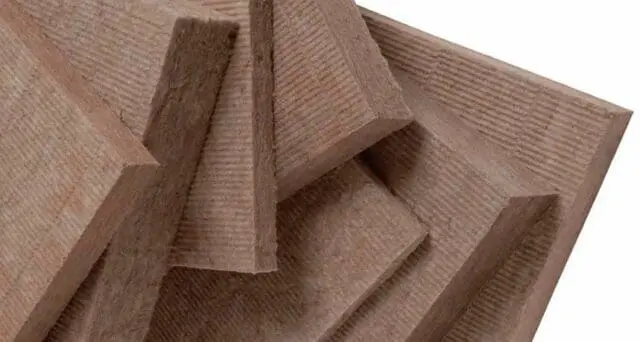
DFM Acoustic Insulation Slabs
£43 exc VAT.
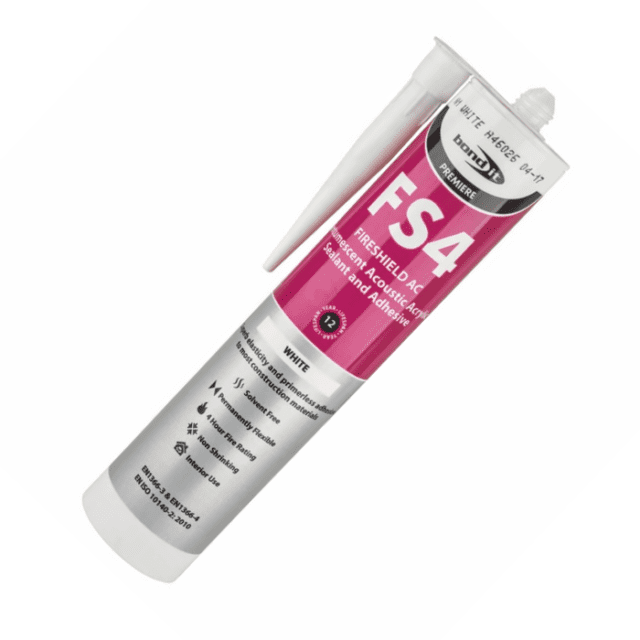
Acoustic Sealants 310ml & 900ml
£3.95 exc VAT.
The most effective solutions for soundproofing party walls
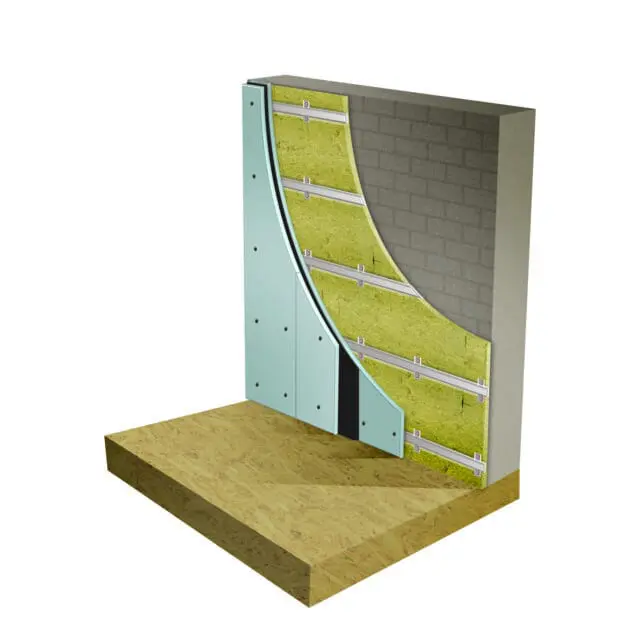
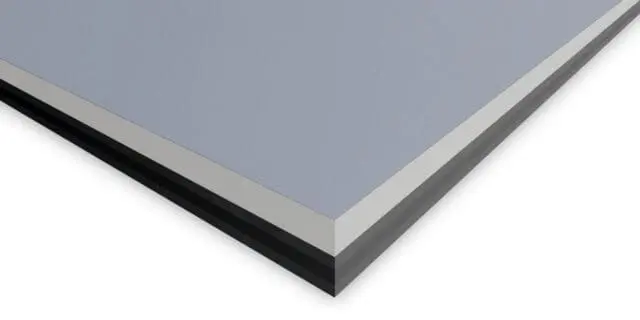
Option 1: Direct-to-Wall soundproofing panels
- Panels fixed directly to the party wall
- Adds mass to reduce airborne noise
- Minimal space loss and faster installation
- Best for low to moderate noise levels, such as TV and conversation
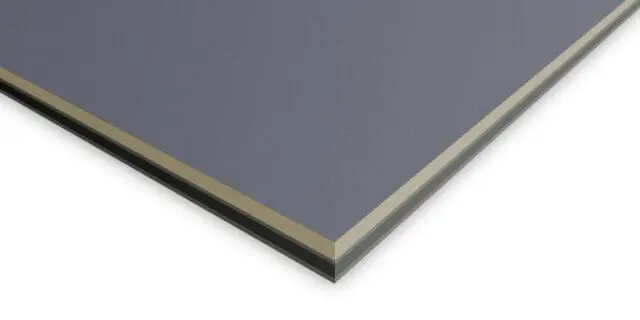
Option 2: Full soundproof system
- Uses isolation clips or independent framing to decouple the wall
- Includes acoustic insulation, multiple layers of plasterboard, MLV, and acoustic sealant
- Reduces both airborne and low-frequency noise
- Requires more space and investment but delivers maximum performance
Conclusion: How to soundproof a party wall successfully
Party wall soundproofing FAQs
The best way to soundproof walls is to use a combination of products in a soundproof system.
Adding mass and density, decoupling the existing structure from the new and increasing the sound absorption capability of the wall ensures the highest noise reduction.
The Acousticlip System is the best solution for soundproofing brick party walls. The AcoustiClip Direct System combines all the elements required to soundproof your walls successfully, making it our recommended party wall soundproofing solution. Upgrade the system using the AcoustiClip Solid Wall Stud System for excessive noise levels.
Wall soundproofing really will stop noise from your neighbour coming through your walls. Stopping every noise type and level is impossible, but you can significantly reduce unwanted sounds using the correct solution.
Our most popular solution is the Acousticlip Direct to Wall System.
If you require soundproofing and space loss to be kept to a minimum, then the best product is the Noisestop Silent Panel.
Competent DIYers can install all of our wall soundproofing solutions. We recommend using local tradespeople if you do not want to fit the soundproofing yourself. Local builders, joiners and plasterers would be the most suitable tradespeople to contact. We can provide full-fitting guides for all our soundproofing solutions.
- Mass-loaded vinyl (MLV): A dense, flexible material that blocks sound.
- Soundproof panels: High-density soundproofing boards that block sound.
- Acoustic insulation slabs: Help absorb sound within wall cavities.
- Decoupling clips: Sound-isolation clips decouple the existing wall from the new wall, reducing vibration noise.
- Soundproof Plasterboard: Denser than standard plasterboard, making it better at blocking airborne sound.
Soundproofing can significantly reduce noise, but it’s unlikely to block 100% of sound. Low bass frequencies or very loud sounds may still get through, but the overall noise reduction can be substantial. To ensure you get the most from your wall soundproofing solution, consider other areas of the building that may be weak spots and allow sound to pass through. See our flanking noise answer below.
Common flanking noise paths.
- Ceilings and floors, joists with empty cavities
- Side walls that connect to the soundproofed wall
- Studs and framing inside the structure
- Doors and windows
- Electrical outlets, vents, and gaps
Find out more about flanking noise and how to stop it.