AcoustiClip Stud Wall System – Stud Wall Kit
Price range: £310.56 through £1,033.01 ex. VAT
Estimated Delivery: 3 - 5 Days
(21st Feb - 23rd Feb)
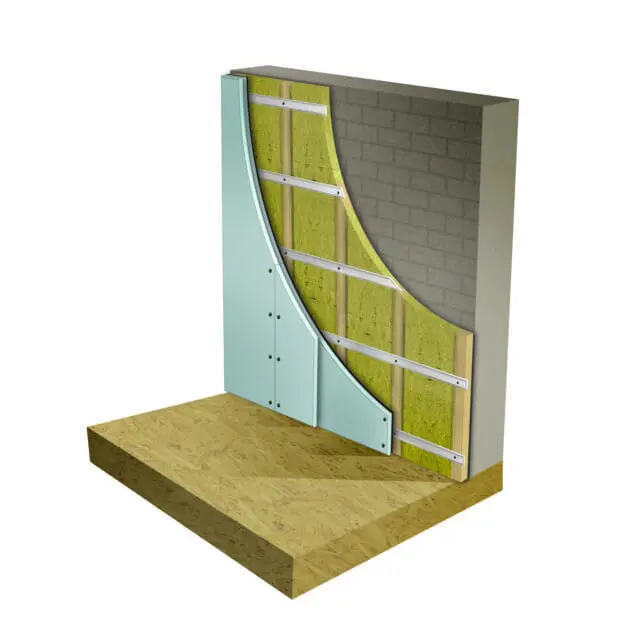
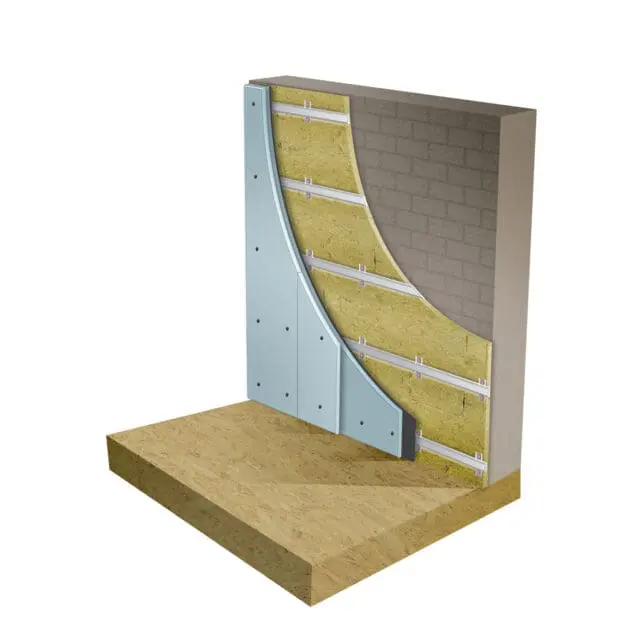
The AcoustiClip Stud Wall Soundproofing Kit is an all-in-one, high-performance solution for soundproofing stud walls. Designed specifically to reduce both airborne noise and vibrations, this system delivers exceptional acoustic performance without requiring a full wall rebuild. Perfect for soundproofing stud walls in homes, flats, and offices, this premium kit includes everything required to create an acoustically isolated wall. By decoupling the wall using isolation AcoustiClips, the system greatly enhances privacy and cuts down noise transfer between rooms. Tested to achieve up to 61dB of noise reduction, this DIY-friendly soundproofing kit contains all the components necessary to soundproof a wall, offering cost savings compared to purchasing items individually.
- Soundproofing: Stud walls
- Noise reduction: 61dB
- Fitting: Stud wall system, existing and new
- Soundproof: Airborne & vibration noise – mass, decoupling & sound damping
- Soundproofing kit:
Noisestop AcoustiClip Stud Wall Soundproofing Kit – High-Performance Acoustic Isolation for Stud Walls
Professional Soundproofing Without Sacrificing Space
The Noisestop AcoustiClip Stud Wall Soundproofing Kit is a high-performance soundproofing system for stud walls, designed to minimise sound transfer between rooms. Whether you’re converting a space, creating a home office, or upgrading an existing wall, this system provides industry-leading soundproofing with minimal space loss.
Advanced Soundproofing for Timber and Metal Stud Walls
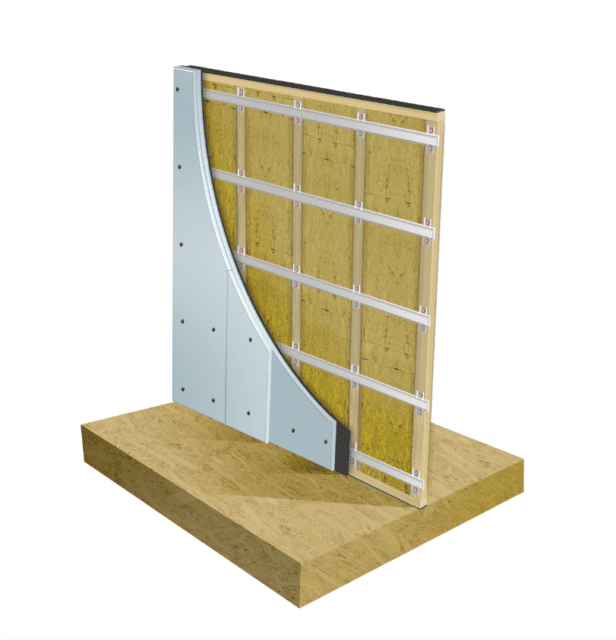
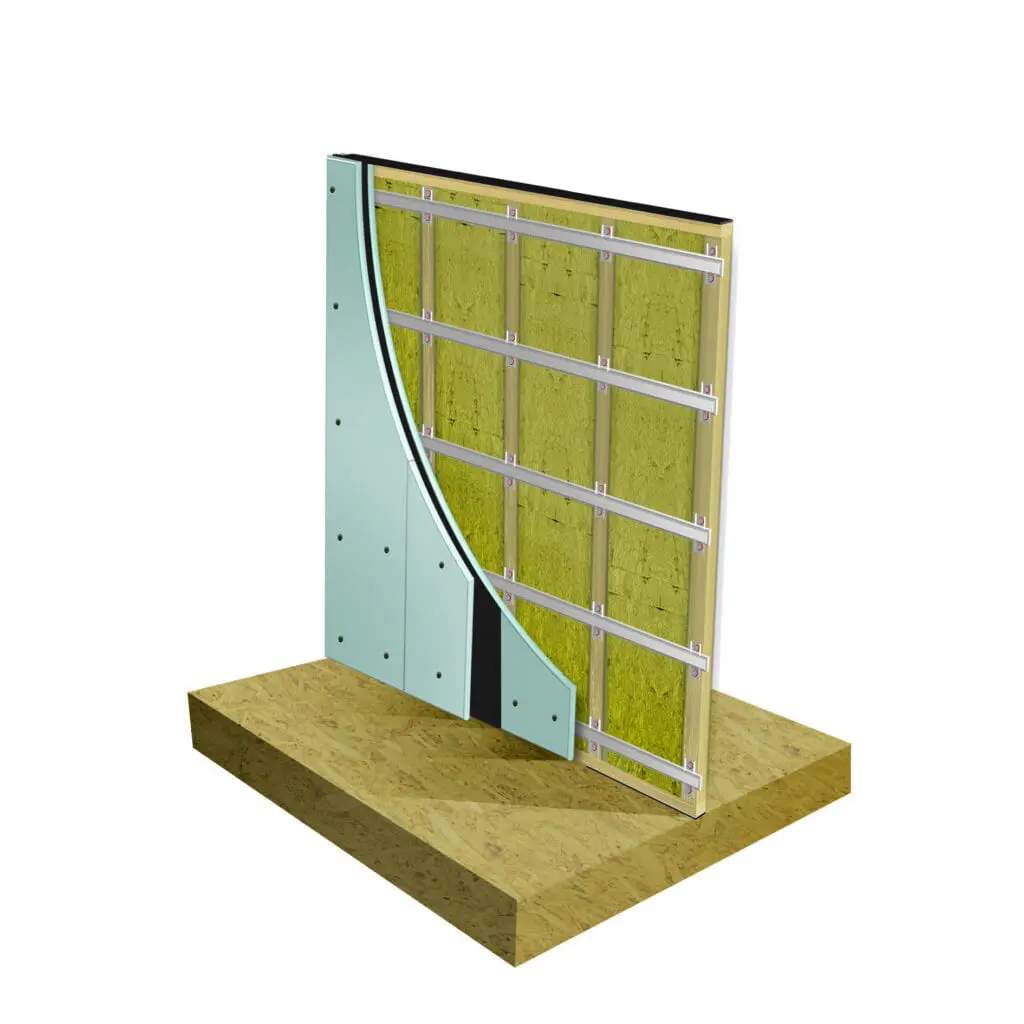
Using specially designed resilient AcoustiClips, this system decouples the wall surface from the stud frame, preventing both airborne and impact sounds from passing through. Perfect for internal walls in homes, apartments, studios, and commercial spaces, the AcoustiClip Stud Wall System delivers tangible acoustic results where standard wall constructions fall short.
Why choose the AcoustiClip Stud Wall Soundproofing Kit
- Exceptional Noise Reduction – Up to 61dB reduces airborne noises such as voices, TV, music, and vibrations
- Compatible with Timber or Metal Studs – Suitable for new builds or renovations
- Acoustic Isolation with AcoustiClips – Breaks the path of sound vibrations through the structure
- Minimal Room Loss – Total system thickness from approximately 77mm
- Installation: Suitable for competent DIY enthusiasts
- Cost: Approximately £54 per sqm (based on a 10sqm wall)
- Finishing options: Ready for plastering, taping, filling, then painting or wallpapering
Upgrade Stud Walls with Reliable Acoustic Isolation
The AcoustiClip Stud Wall Soundproofing Kit offers professional-grade soundproofing for your internal partitions. Designed for performance and versatility, it’s ideal for builders, renovators, and homeowners seeking quiet, comfortable, and private interiors.
Materials supplied with the AcoustiClip Stud Wall System Soundproof Kit
- Acoustic insulation 50mm/60kg/m3 – High-density sound insulation slabs
- AcoustiClip – Sound isolation anti-vibration clip
- AcoustiChannel – Metal furring channel 1800mm
- Soundboard 15mm – High-density soundblock paperboard 1200mm x 1200mm (1.44sqm)
- Noisestop 1 Plus Panel 18mm – 12.5mm soundboard laminated with 10kg mass-loaded vinyl 1200mm x 1200mm (1.44sqm)
- Acoustic sealant 310ml
To see the quantities supplied with this system, select the required Total Wall Area from the dropdown box at the top of the page.
We recommend ordering areas individually and adding them to the basket rather than combining them into a single large area. You can order multiple areas in the same order.
AcoustiClip Stud Wall Soundproofing Kit

Quantity of materials supplied in your order
The quantity of clips and channels supplied in this kit has been calculated for a ceiling of up to 2.4m, which requires five rows. For walls over 2.4m, additional AcoustiClips and AcoustiChannel might be needed.
| Area m2 | DFM 50mm/60kg (6.48sqm per pack) | AcoustiClip | AcoustiChannel 1800mm | Noisestop 1 Plus Panel 18mm (1.44sqm) | 15mm Soundboard (1.44sqm) | Acoustic sealants (310ml standard size) |
|---|---|---|---|---|---|---|
| 5 | 1 | 15 | 8 | 4 | 4 | 2 |
| 6 | 1 | 15 | 9 | 5 | 5 | 2 |
| 7 | 2 | 20 | 10 | 5 | 5 | 2 |
| 8 | 2 | 20 | 11 | 6 | 6 | 2 |
| 9 | 2 | 20 | 12 | 7 | 7 | 2 |
| 10 | 2 | 25 | 13 | 7 | 7 | 2 |
| 11 | 2 | 25 | 14 | 8 | 8 | 2 |
| 12 | 2 | 25 | 16 | 9 | 9 | 2 |
| 13 | 3 | 30 | 17 | 10 | 10 | 3 |
| 14 | 3 | 30 | 18 | 10 | 10 | 3 |
| 15 | 3 | 30 | 19 | 11 | 11 | 3 |
| 16 | 3 | 35 | 21 | 12 | 12 | 4 |
| 17 | 3 | 35 | 23 | 12 | 12 | 4 |
| 18 | 3 | 40 | 25 | 13 | 13 | 4 |
| 19 | 3 | 40 | 26 | 14 | 14 | 4 |
| 20 | 4 | 40 | 27 | 14 | 14 | 4 |
- System thickness 77mm (from the stud frame)
- Noise reduction 61dB (decibels explained
- Fire one hour
Thermal Resistance R:
- Acoustic plasterboard 12.5 mm = 0.050 m2 K/W
- Acoustic plasterboard 15.0 mm = 0.060 m2 K/W
- Mass-loaded vinyl 0.14 m² K/W
- Acoustic insulation 2.90 W/mK
Thermal Conductivity λR:
- Acoustic plasterboard 0.25 W/mK to BS EN 12524:2000
- Mass-loaded vinyl 0.037 W/mK
- Acoustic insulation 0.034 W/mK
Reaction to Fire
- Acoustic plasterboard 12.5mm & 15mm Euroclass A2-s1, d0
- Mass-loaded vinyl 10kg EN 13501-1 B-s2,d0 (2)
- Acoustic insulation EN13501-1: A1
Untreated stud wall DnT,w
Stud wall with 12mm plasterboard on either side 38db
Treated stud wall DnT,w
AcoustiClip Stud Wall System 61dB
Improvement DnT,w
Noise reduction with treatment 23dB
Note: Every 10 decibels(dB) reduction in noise level is roughly perceived as a halving of the perceived loudness. So, for instance, if you have a sound that measures 70dB and it decreases to 60dB, it would sound about half as loud to the human ear. Decibels explained.
- Fill the stud frame cavity with DFM acoustic insulation slabs to reduce sound that resonates within the void.
- Screw the AcoustiClip into the stud frame. Space the clips vertically at 600mm centres with a row of clips 100mm from the bottom of the wall and 150mm from the ceiling. The clips should be no more than 1200mm apart horizontally (see the diagram below).
- Clip the AcoustiChannel into the clips, join the lengths of the channel by overlapping them by 100mm and screwing them together with 25mm self-tapping drywall screws. Screw the 15mm Soundblock plasterboard into the AcoustiChannel using 25mm self-drilling screws, then fix the Noisestop 1 Plus Panel over the first layer of boards using 50mm self-drilling screws. Leave a 2-3mm gap around the wall’s perimeter to reduce noise transfer into the adjoining walls, ceiling and floor.
- Acoustic sealant is applied between each panel and the wall’s perimeter to ensure an airtight seal.
- Finish the soundproof system as you would standard plasterboard. The panels are supplied with tapered edges, which allow for dry lining or plastering.
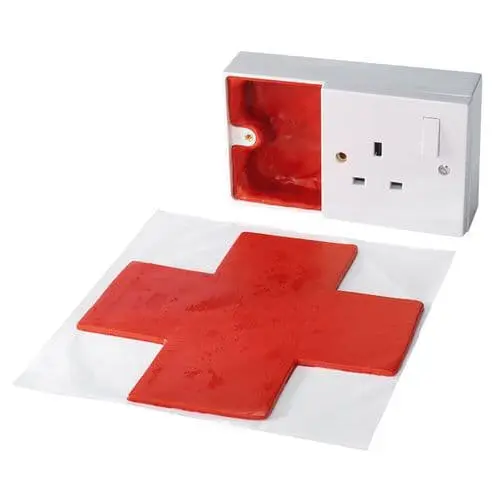
- If you are reinstating electrical outlets, use acoustic putty pads inside the back boxes.
Finishing soundproof panels
- Taping and jointing -Apply joint tape (paper or mesh) over all joints. Use jointing compound to fill and feather out over the tape.
- Skim Plastering – Apply a thin coat of finish plaster (usually 2–3 mm thick) over the entire plasterboard surface.
- Plasterboard Direct Decoration (No Skim) – Tape and joint as usual. Sand and apply a sealer or mist coat. Paint or wallpaper directly onto the plasterboard.
Spacing AcoustiClips
Horizontally – Fix an AcoustiClip at the start and end of each row. Acousticlips are spaced at a maximum of 1200mm centres along the AcoustiChannel.
Vertically – AcoustiClips are fitted horizontally to a maximum of 600mm, 100mm from the floor and 150mm from the ceiling.

Delivering soundproofing throughout the UK
Due to the nature of most of the materials we supply, orders are typically delivered on pallets.
All orders will be carefully wrapped, protected, and securely palletised to ensure they arrive in the best possible condition. Goods will be delivered as near to the property as possible. The drivers will not be able to carry orders into your property.
Deliveries are made between 8:00 a.m. and 6:00 p.m. Monday to Friday.
We charge a flat delivery rate of £60 plus VAT for most palletised deliveries. We do not charge per pallet, regardless of the number of pallets used to deliver your order.
Certain postcodes will incur a higher delivery charge than our standard rate, including those in Northern Ireland, Northern Scotland, and the Islands off the mainland.
Orders placed for items weighing less than 20kg will be sent via courier for £20 plus VAT.
We have a high stock level and typically deliver orders in approximately three to four working days.
If you would like to speak with us about your delivery, please call 01423 339163. Alternatively, you can send us your delivery enquiry.
Please review our full delivery terms for more information.
We don’t currently deliver outside the UK.
Materials supplied with the AcoustiClip Stud Wall Soundproofing Kit
The following items are supplied as part of this soundproof kit. Screws and plugs to fit the system can be bought separately (see below).
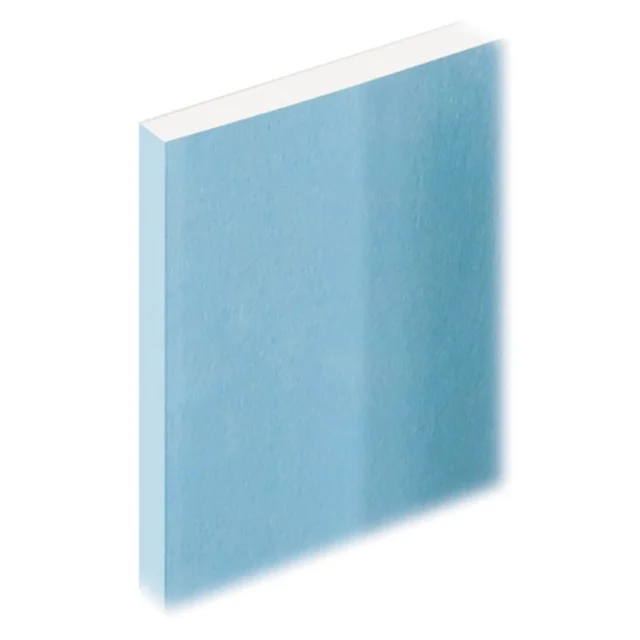
Acoustic Plasterboard 12.5mm - 15mm Full & Half Size
£10.5 exc VAT.
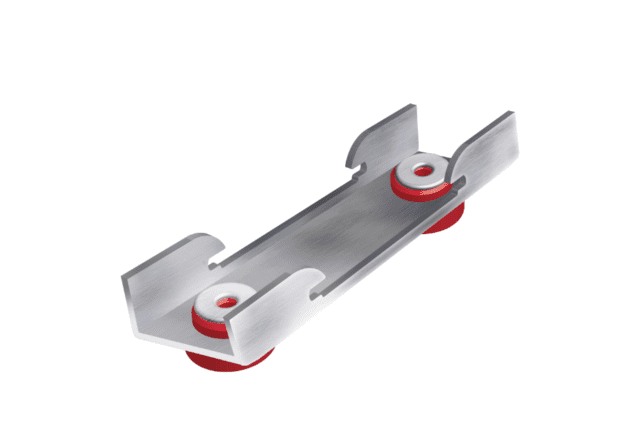
AcoustiClip | Sound Isolation Clip
£4.95 exc VAT.
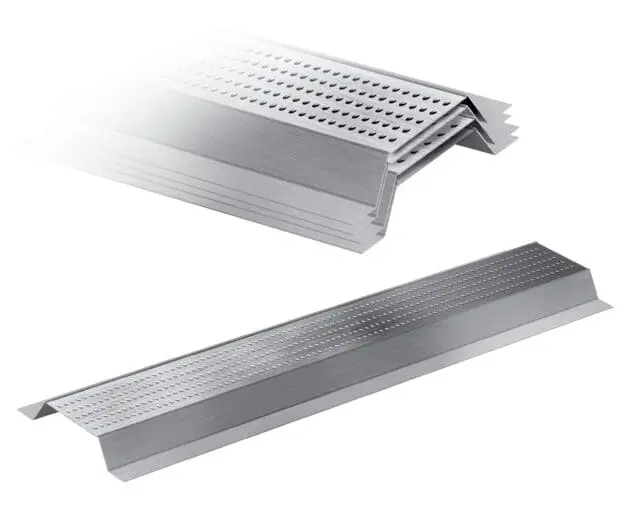
AcoustiChannel 1800mm Metal Furring Channel
£4.45 exc VAT.
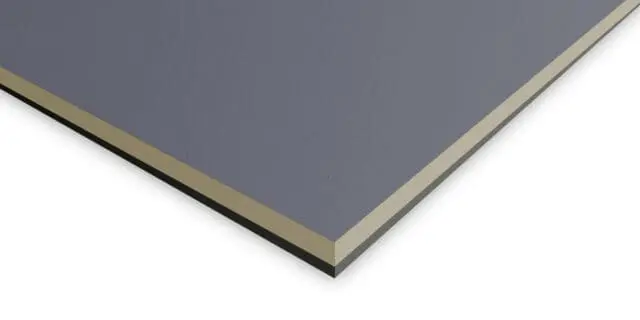
Noisestop 1 Plus Panel 18mm - Soundproofing Panel
£29.95 exc VAT.
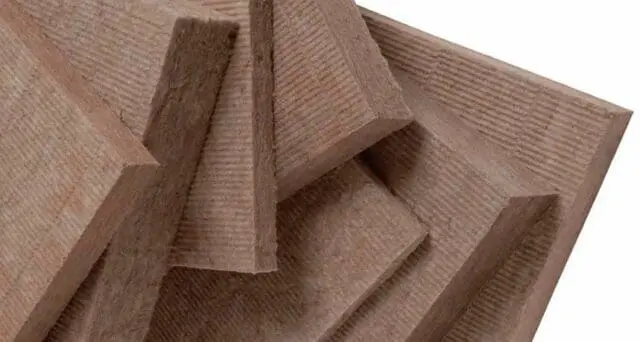
DFM Acoustic Insulation Slabs
£43 exc VAT.
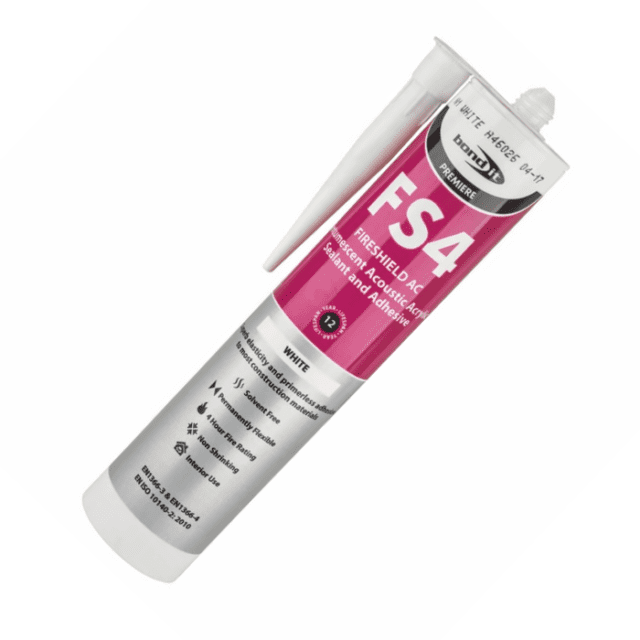
Acoustic Sealants 310ml & 900ml
£3.95 exc VAT.
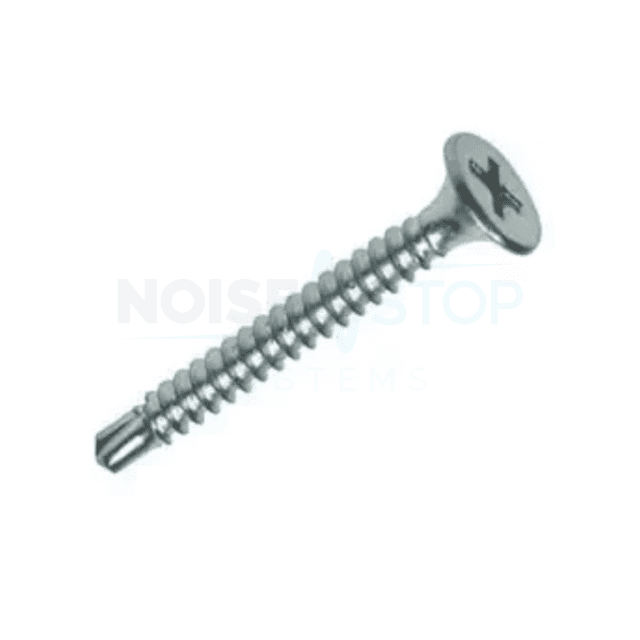
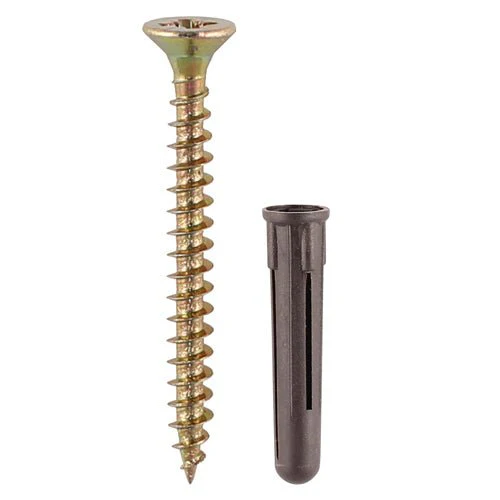
Fittings for the AcoustiClip system
Add the fitting to complete this soundproof system.
Materials frequently bought with this system
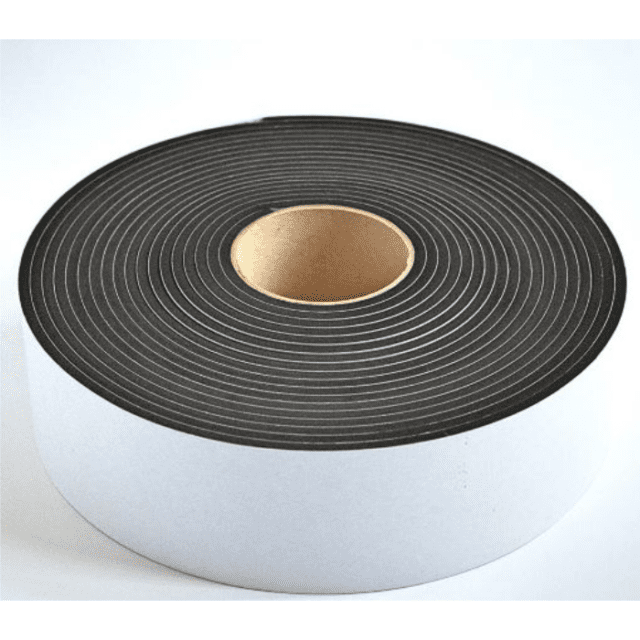
Alternative Solutions
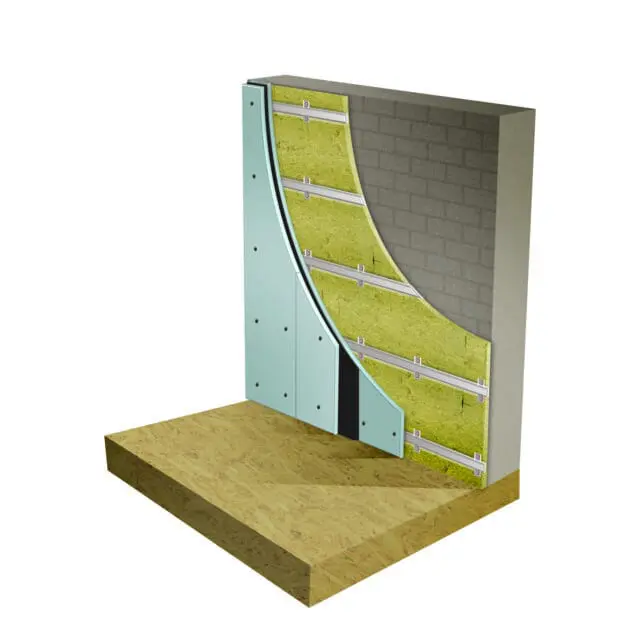
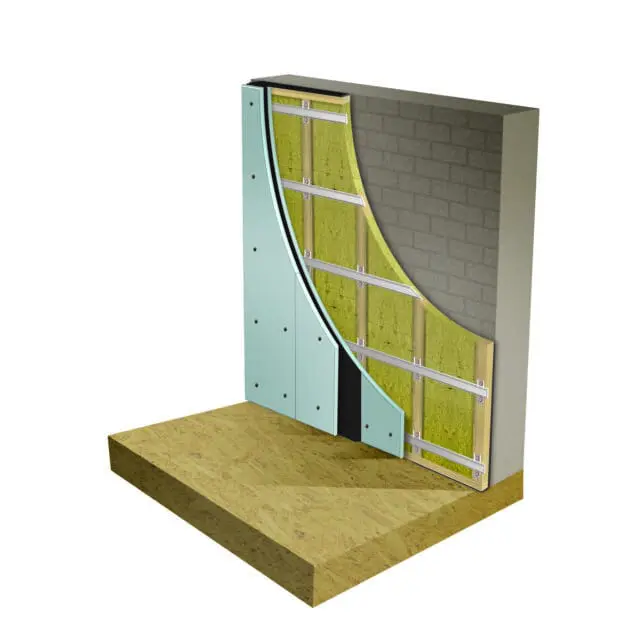
Alternative solutions that will offer different levels of soundproofing or another kind of installation method that might suit your requirements.
FAQs
Soundproofing is the process of reducing the transmission of sound through walls, typically accomplished by adding materials that either block or absorb sound. The main objective is to prevent sound from entering or leaving a room.
A soundproofing wall solution often combines several elements to soundproof the wall effectively:
1. Add Mass: Increasing the mass or density of walls makes it more difficult for sound to pass through. High-mass wall soundproofing products include soundproof plasterboard, acoustic insulation, and soundproof membranes.
2. Increase Sound Absorption: Enhancing a wall’s ability to absorb sound helps to reduce airborne noise. Materials that improve sound absorption include acoustic insulation and membranes, which help minimise resonance and vibration, thus enhancing the overall effectiveness of soundproofing.
3. Decoupling: Isolating or decoupling the existing wall from the new one reduces the direct transfer of sound between them. Since sound travels through solid structures via vibrations, decoupling techniques, such as using an independent wall or sound-isolation clips, can significantly reduce sound transmission between the two surfaces.ndent wall or sound-isolation clips, can significantly reduce sound transmission between the two surfaces. An independent wall or sound-isolation clips will significantly reduce sound transmission between the two surfaces.
- Mass-loaded vinyl (MLV): A dense, flexible material that blocks sound.
- Soundproof panels: High-density soundproofing boards that block sound.
- Acoustic insulation slabs: Help absorb sound within wall cavities.
- Decoupling clips: Sound-isolation clips decouple the existing wall from the new wall, reducing vibration noise.
- Soundproof Plasterboard: Denser than standard plasterboard, making it better at blocking airborne sound.
Yes! Low-frequency noises, such as bass or vibrations, can be more difficult to block effectively. To address this issue, you can use a technique called decoupling, which involves separating layers of the wall to prevent sound vibrations from travelling through it.
Applying decoupling isolation clips directly to the wall or a stud frame can help reduce vibration transmission through the wall’s structure. If you have sufficient space in the room, constructing an independent soundproof wall can significantly decrease sound transfer between the walls.
The best solutions for wall soundproofing to minimise these noises are the AcoustiClip Direct System and the AcoustiClip Stud System, as both options are designed to reduce vibration transmission through walls.
Soundproofing can greatly reduce noise, but it is unlikely to eliminate 100% of sound. Low bass frequencies or very loud noises may still penetrate, but you can achieve significant overall noise reduction. To maximise the effectiveness of your wall soundproofing solution, consider other vulnerable areas of the building that might allow sound to pass through. For more information, refer to our answer on flanking noise below.
Common flanking noise paths.
- Ceilings and floors, joists with empty cavities
- Side walls that connect to the soundproofed wall
- Studs and framing inside the structure
- Doors and windows
- Electrical outlets, vents, and gaps
Find out more about flanking noise and how to stop it.
Got a question?
Send us a message, and we’ll respond as soon as possible. Alternatively, call 01423 339163 to speak with an adviser.