Skip to Main Content

The UK’s leading supplier of soundproofing solutions

What type of Wall?
What type of Floor?
What type of Ceiling?
Back to Help, Info & Tips

Soundproofing Floors FAQs

floor soundproofing faqs

Soundproofing Floors FAQs – Everything you need to know about soundproofing floors

Every day, Noisestop Systems helps homeowners with questions about soundproofing their rooms. In this guide, we’ve gathered the most common questions about soundproofing floors. We’ll cover the best products and solutions, how to soundproof timber and concrete floors, and explain the difference between impact and airborne noise. Read on for more answers to your floor soundproofing questions.

The most effective way to soundproof a floor is to add mass and improve its sound absorption.
  • Using products that add mass and density to the floor helps block airborne sound from passing through.
  • You can improve a floor’s sound absorption by adding resilient layers and acoustic insulation in the floor cavities. Acoustic underlays also help absorb impact sounds, such as footsteps and movement.
  • Combining different soundproofing products gives you the best results.
  • Adding acoustic insulation in floor cavities stops resonant sound from getting louder.

Find out more about how to soundproof floors.

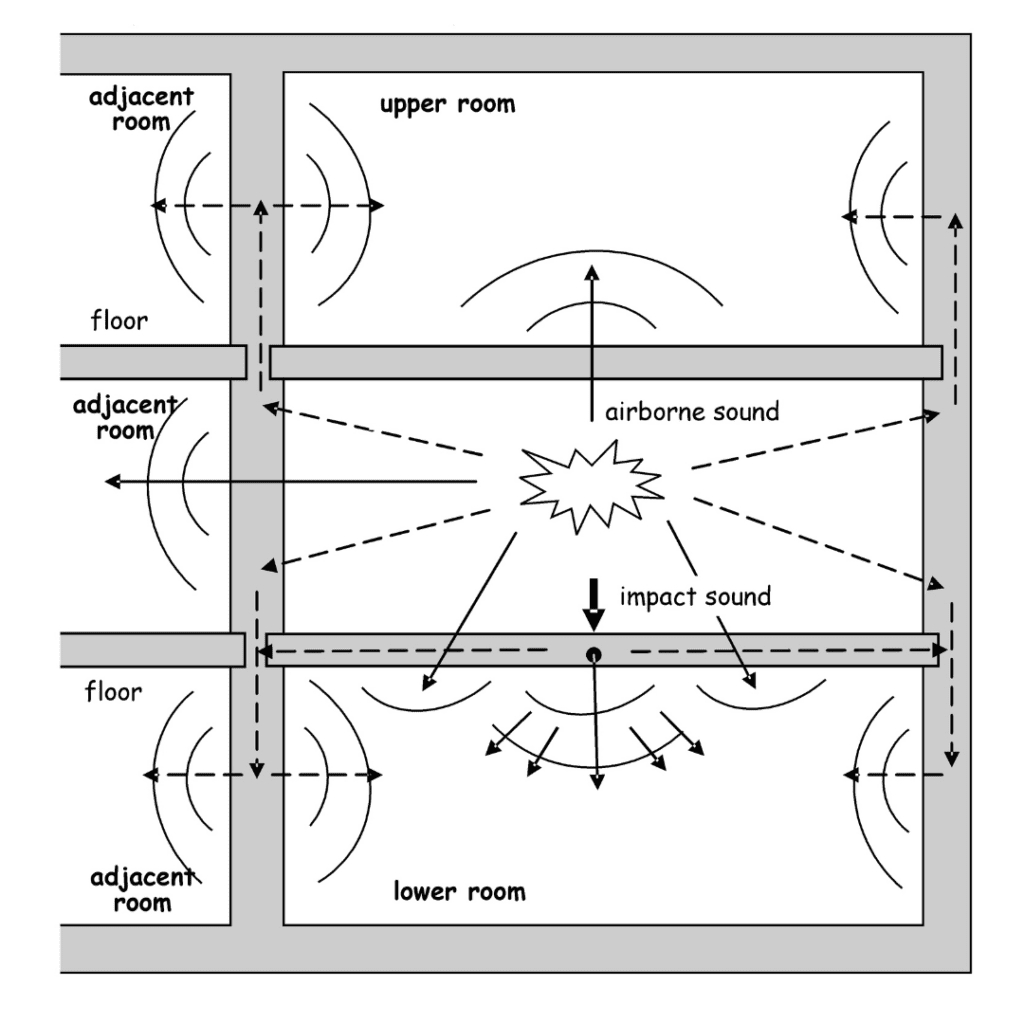
There are two main types of noise: impact and airborne.
Impact noise comes from things like footsteps or movement across the floor. When something hits the floor, the energy travels through the structure and turns into a sound wave that you can hear on the other side.
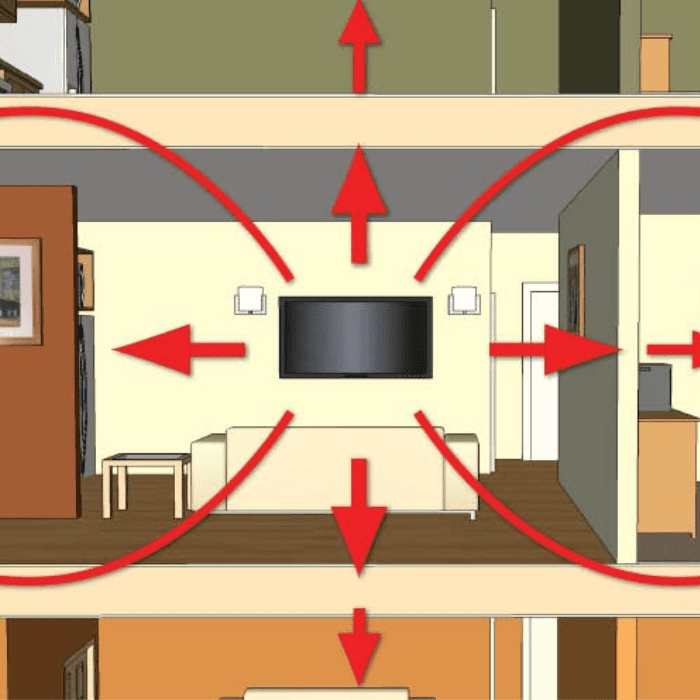
Airborne noise includes sounds like conversation and TV noise. These sounds travel through the air as sound waves and become audible when they reach your ear.
To reduce impact noise, you need to improve the floor’s impact absorption. The best way to do this is to add flooring products that prevent vibrations from passing through the floor to the rooms below.
The best products for stopping impact sound on floors are:
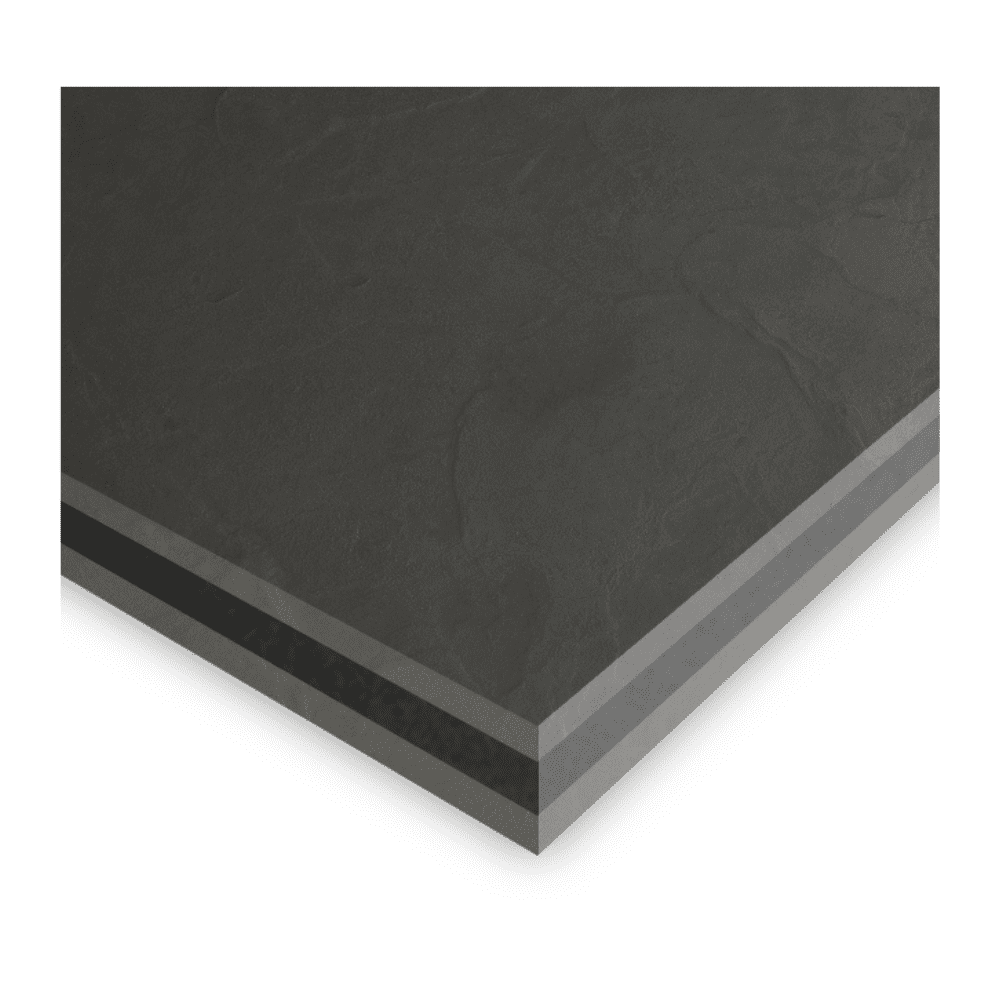
Acoustic underlays: These underlays have several layers to block and absorb impact sound. Acoustic underlays are placed directly over the subfloor, under the floor finish, and are a popular choice for homeowners.
Floating floors: This type of flooring acts as a structural layer and can be installed over an existing subfloor or directly onto floor joists. Professionals often use floating floors in conversions, new builds, and specialist rooms like music studios.
Most homes built in the UK have floors constructed with timber joists and floorboards. The problem with this construction method is its lack of mass and absorption. Sound will easily transmit through empty floor cavities, and vibrations will transfer through the floorboards and the rest of the ceiling.
Solutions for soundproofing timber floors:
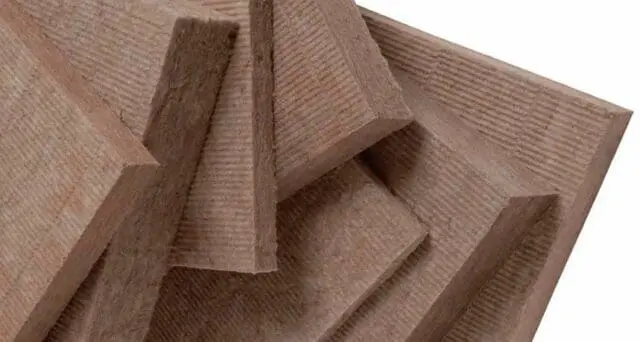
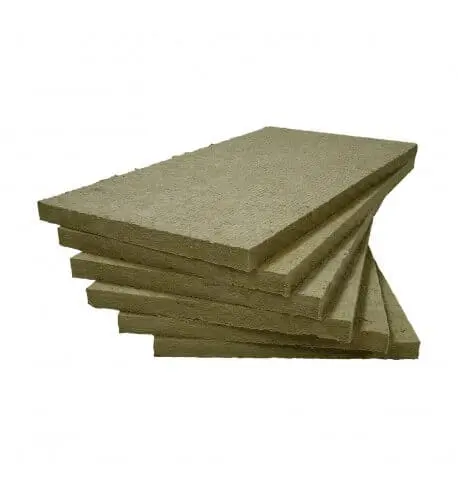
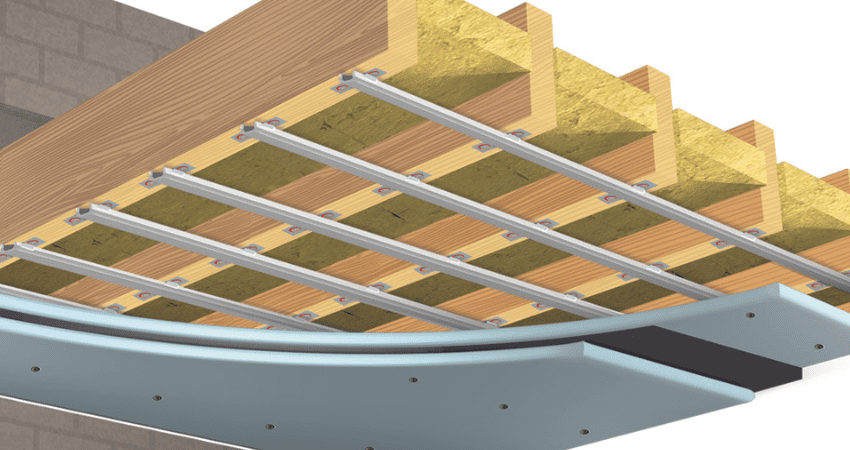
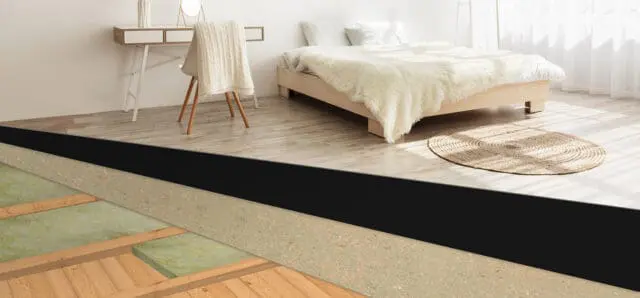
  • Insulate the cavity between the floor and ceiling with acoustic insulation slabs. The best insulation for us is 100mm/60kg/m3 dense slabs. Filling ceiling voids will block sound from passing through the floor, and sound insulation in the cavities will prevent sound from transferring between floors.
  • Lay a resilient layer over the floorboards to prevent sound from the floor’s structure from entering the room. Acoustic underlay mats and floating floors are used to absorb impact sounds, such as footfall, as they pass through the floor. We will look at acoustic underlays and floating floors on this page and discuss which are suitable for each.
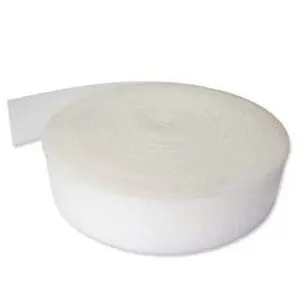
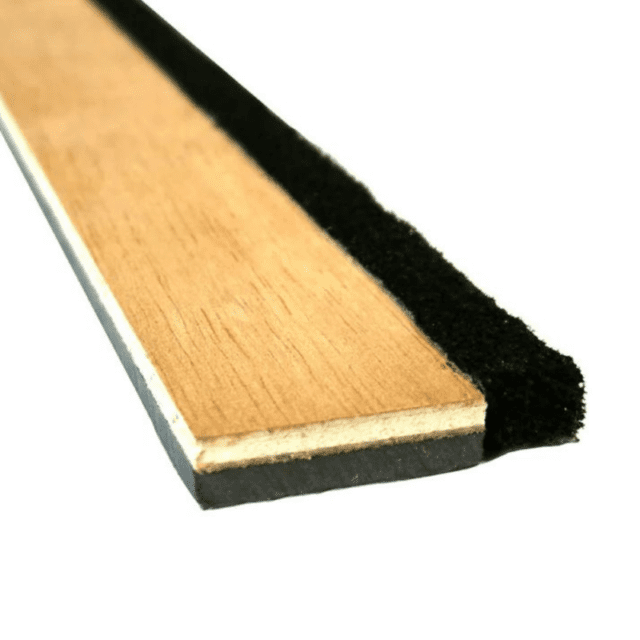
  • Reduce flanking sound between floors and walls using an isolation tape or flanking band around the perimeter of the room to decouple the soundproofing floor from the walls. In doing this, you reduce potential sound transfer passing from the floor and into the walls, which could then transfer noise up and down the walls.
  • Isolating floor joists from the floorboards is another method of decoupling the floor to reduce the transmission of impact and vibration sounds through the floor.
The first thing to note is that concrete floors should already block a good level of airborne noise. The majority of noise issues related to concrete flooring would be impact sound.
As with timber joist floors, the best way to reduce impact sound is to decouple the floor at the source by installing a resilient layer over the existing concrete floor.
Use floating floors and acoustic underlays over the concrete floor to stop impact sound.
Yes, you can lay carpets directly over acoustic underlays.
Even though you can fit carpets directly over acoustic mats, it can be beneficial to use traditional carpet underlays with acoustic underlays.
An acoustic underlay is there to soundproof your floor, and a carpet underlay helps preserve your carpet’s life and improve comfort. When possible, we recommend using both.
When you use both, consider how the gripper rods are fixed to ensure they are at the correct height for your carpet. After all, the carpet underlay could be 10mm thick, and the acoustic underlay would be between 10-15mm thick. To maintain a consistent height along the room’s perimeter, use a perimeter edging strip below the carpet gripper.
The advice on laying laminate over underlay is that you cannot lay it directly over the soundproofing. The reason is that laminate flooring is too thin, and when laid over an acoustic underlay, the edges may start to move due to the underlay’s slight flex.
If you are installing an acoustic underlay beneath laminate flooring, we recommend installing a secondary resilient layer between the underlay and the laminate flooring. Use an interlocking sheet, such as a 9mm MDF board or another type of interlocking flooring board. It is essential that the flooring interlocks, as this reduces the movement of the laminate above. Any flooring that does not interlock with a tongue-and-groove edge would not be advisable, as it could still move.
Very slim acoustic mats, between 3 and 5mm, that do not flex as much as thicker underlays can be used below laminate flooring, as these tend not to have full acoustic-grade foam within their layers. It is important to note that these thinner mats will not help with stopping any airborne sound.
Alternatives to acoustic underlays suitable for laying laminate over include floating floors with a solid deck. Always check that the edges are tongue-and-groove to ensure the best protection for the laminate flooring.
The good news here is that you can normally lay engineered and solid wood flooring on soundproof underlays without needing a secondary layer.
The reason you can lay solid wooden floors directly over the mats is the thickness of the floor finish. Flooring that is 15mm or thicker should not move along the edges due to floor flexing.
One of the best ways to insulate a floor against airborne sound is to use acoustic insulation between the floor joists. To access this area, you will need to remove some or all of the floorboards. The amount of flooring you will need to remove will vary from property to property. In most cases, you can access the cavity between the joists without removing all the flooring.
Soundproofing the floor cavity is crucial for effectively reducing airborne sound transfer through wooden floors and is recommended if you want to achieve the highest levels of noise reduction.
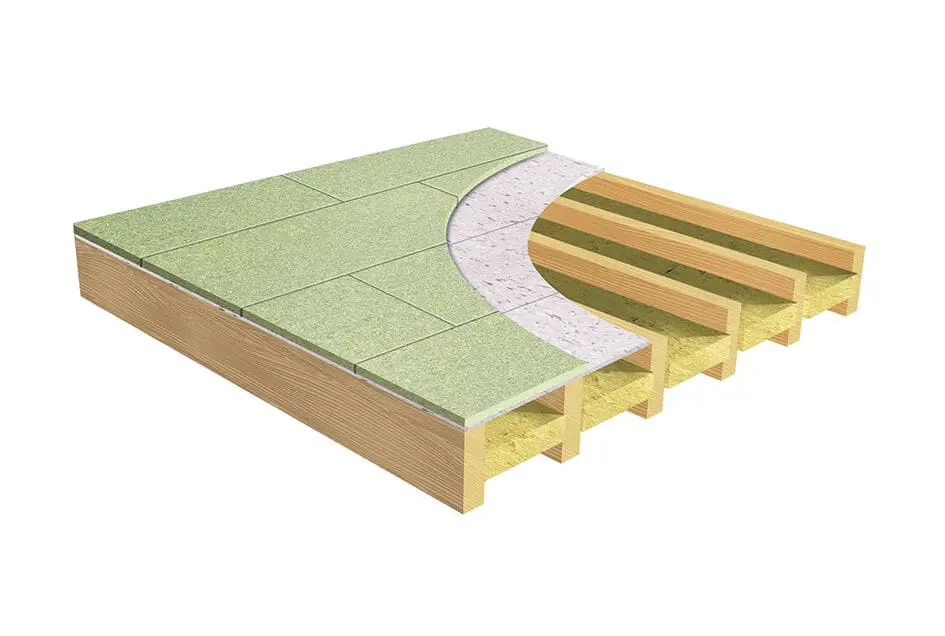
Whether you are replacing an old floor or installing a new one, the recommended solution is to use a direct-to-joists flooring system.
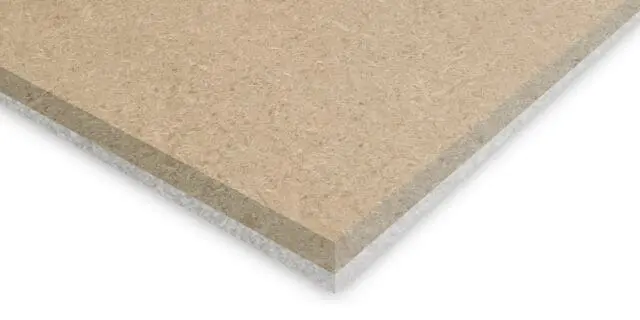
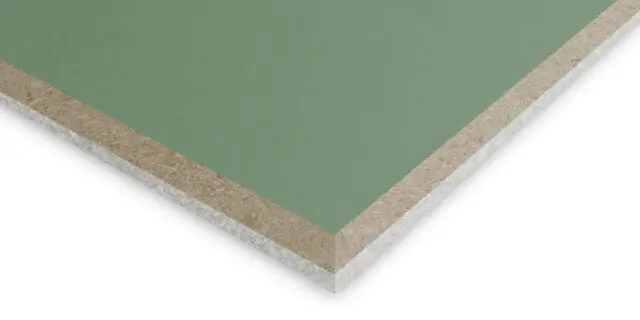
Acoustic floorboards like Noisedeck 32 are designed to replace traditional floorboards that would otherwise require soundproofing on top of them. An acoustic flooring board will act as your structural and soundproof floor, so you won’t need any other flooring besides the floor finish.
The entire floor needs to be soundproofed to work effectively. Your acoustic floor solution should be laid across the whole floor area; any gaps in the soundproofing could allow sound transfer.
Flanking noise is the term for sound that transfers through different parts of a building. If you are soundproofing a floor, sound might also be travelling along structural walls into the rooms.
Essential sound will potentially find other paths in a building around the area you are soundproofing. Flanking can occur through walls, floors, ceilings, and along construction materials such as steel.

Many flooring solutions can be installed by the homeowner. Alternatively, carpet fitters will normally lay soundproofing products when they fit carpets. Some structural flooring systems, like floating floors, can be installed by local tradespeople. Overall, fitting flooring products is easier than some of the more complex wall and ceiling solutions.

It is advisable to avoid screrwing down your floor soundproofing. Sound can transmit through fixtures which you don’t want when soundproofing a floor.
Structural floors, such as the Noisedeck boards, are laid as floating floors and feature interlocking tongue-and-groove edges, so no screws or nails are required.
Acoustic underlays can be loose-laid across floors; if they need to be secured, use adhesives and tapes.
Some floor finishes may need to be secured to the soundproofing. In those circumstances, speak to the flooring company or ask us about the best method to ensure the soundproofing is not compromised.
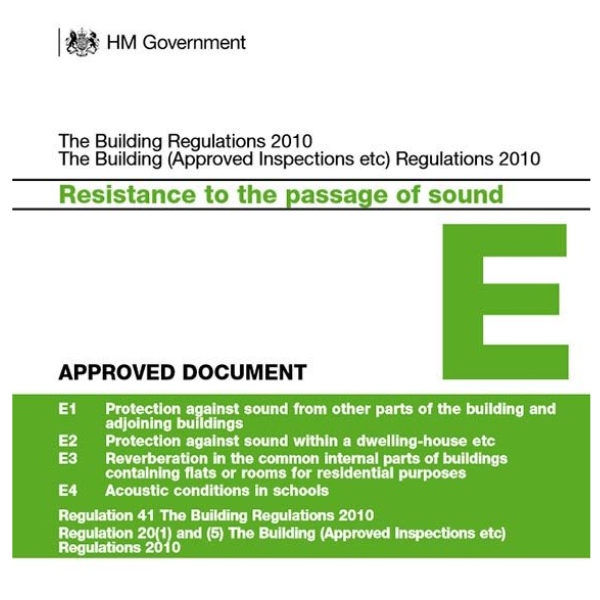
You will need to ensure the separating floor/ceiling meets current standards for the transfer of airborne and impact sound between properties.
A sound test is required to ensure compliance, and a certificate issued upon completion.
We recommend speaking with one of our team members to discuss your project, as there are several factors to consider when choosing the right solution.

Hopefully, you have found answers to your floor soundproofing questions. Take a look at our floor soundproofing products page and begin your floor soundproofing journey. If you do need more help, send us an enquiry or call 01423 339163 and speak with one of our helpful team members.

Soundproofing categories
Soundproofing posts

Get in touch

If you’d like any help or advice, or would like to chat to us, please call or fill out this form and we’ll be back in touch shortly